
World
John Bolton Indicted on 18 Counts of Classified Information Mishandling

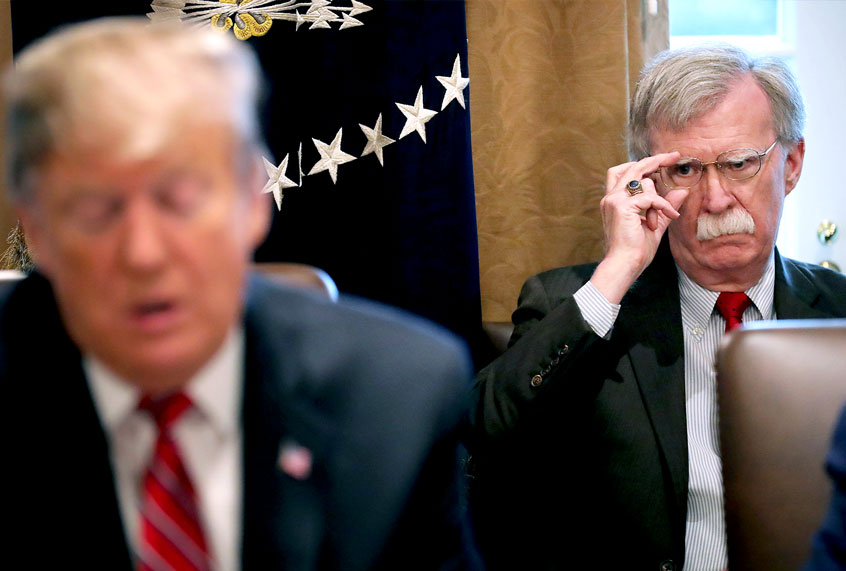
Former National Security Adviser and United Nations Ambassador John Bolton has been indicted on 18 counts of mishandling classified information. This charge marks a significant legal development, as it exceeds the number of counts typically seen in similar prosecutions under the Espionage Act over the past 15 years. The indictment raises questions about the motivations behind the prosecution, particularly given Bolton’s contentious history with Donald Trump.
The charges stem from allegations that Bolton improperly shared classified information with family members who did not possess security clearances. Reports suggest that this included diary-like entries containing sensitive details. The inquiry reportedly began following an armed raid on Bolton’s residence, which aimed to investigate whether he unlawfully retained or disclosed classified information related to his memoir.
Bolton’s indictment has sparked discussions about the political implications of the charges. Some observers note that Trump’s previous statements about Bolton, which included calling him “treasonous” and suggesting imprisonment, may support a defense strategy claiming selective prosecution. Such a motion is rare but not unheard of in cases involving the Espionage Act.
The former National Security Adviser’s legal challenges are compounded by his previous criticisms of Trump administration officials for allegedly mishandling classified information. For instance, Defense Secretary Pete Hegseth faced scrutiny for sharing sensitive military plans in private communications that included family members. Bolton’s situation now appears particularly egregious in light of his own past condemnation of such behavior.
While Bolton’s legal team may argue for a dismissal based on the grounds of vindictive prosecution, the success of such motions is uncertain. There is also the potential for claims regarding media coverage and conflicts of interest affecting his case.
Interestingly, Bolton’s predicament highlights a broader issue within the justice system concerning the treatment of individuals accused of disclosing classified information. Instances such as retired General David Petraeus, who received a minor penalty for similar offenses, raise questions about the consistency of legal repercussions for powerful figures compared to ordinary individuals.
As Bolton navigates these legal waters, the intersection of politics and justice remains a central theme. The former ambassador’s past actions and statements complicate public perception, making it challenging to elicit sympathy. Nonetheless, the principle of fair treatment under the law, even for controversial figures, is crucial in a functioning democracy.
In this high-stakes case, the implications extend beyond Bolton’s individual circumstances, touching on themes of accountability, power dynamics, and the integrity of legal proceedings. As developments unfold, the legal and political ramifications will likely continue to attract scrutiny and debate.

Deputies Uncover Gun, Drugs, Cash in Urgent Chop Shop Raid

Netflix and Paramount Battle for Warner Bros. Assets in Urgent Deal

Urgent Religious Gatherings Announced for Bellows Falls This Week

Groundbreaking Cream for Women’s Sexual Health Launches in the U.S.

Luvme Hair Launches Up to $90 Off Early-Bird Christmas Sale

Historic Group Sues to Block Trump’s East Wing Demolition Plan

Research Team Achieves 20.02% Efficiency in Organic Solar Cells

Willson Contreras Sparks Trade Talks as Red Sox Show Interest

Canada Imposes Stricter Steel Import Limits Effective December 26

ALMA Discovers Companion Orbiting Giant Red Star π 1 Gruis

SEVENTEEN’s Mingyu Faces Backlash Over Alcohol Incident at Concert

New ‘Star Trek: Voyager’ Game Demo Released, Players Test Limits

Global Air Forces Ranked by Annual Defense Budgets in 2025

Electrification Challenges Demand Advanced Multiphysics Modeling

Mass Production of F-35 Fighter Jet Drives Down Costs

Gold Investment Surge: Top Mutual Funds and ETF Alternatives

Time Crystals Revolutionize Quantum Computing Potential

DirecTV to Launch AI-Driven Ads with User Likenesses in 2026
-
 Science4 weeks ago
ALMA Discovers Companion Orbiting Giant Red Star π 1 Gruis
-
 Politics2 months ago
SEVENTEEN’s Mingyu Faces Backlash Over Alcohol Incident at Concert
-
 Top Stories2 months ago
New ‘Star Trek: Voyager’ Game Demo Released, Players Test Limits
-
 World2 months ago
Global Air Forces Ranked by Annual Defense Budgets in 2025
-
 World2 months ago
Electrification Challenges Demand Advanced Multiphysics Modeling
-
 World2 months ago
Mass Production of F-35 Fighter Jet Drives Down Costs
-
 Business2 months ago
Gold Investment Surge: Top Mutual Funds and ETF Alternatives
-
 Science2 months ago
Time Crystals Revolutionize Quantum Computing Potential
-
 Top Stories2 months ago
DirecTV to Launch AI-Driven Ads with User Likenesses in 2026
-

 Entertainment2 months ago
Freeport Art Gallery Transforms Waste into Creative Masterpieces
-

 Business2 months ago
US Government Denies Coal Lease Bid, Impacting Industry Revival Efforts
-

 Health2 months ago
Gavin Newsom Critiques Trump’s Health and National Guard Plans