
Health
CNN Tests Creatine Claims: Does It Enhance Muscle and Memory?

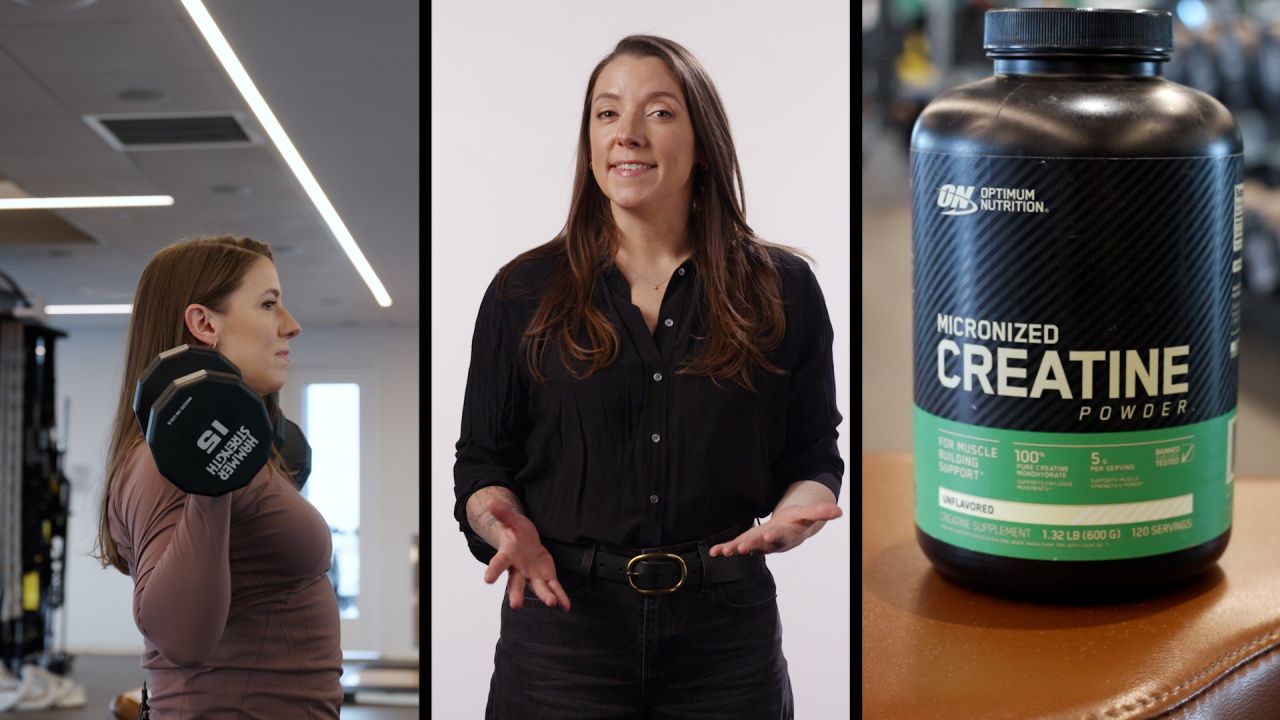
Creatine has regained popularity among fitness enthusiasts and health advocates, with claims that it can improve muscle strength, enhance mood, boost memory, and even aid sleep. To investigate these assertions, CNN correspondent Allison Morrow undertook a six-month experiment to determine whether creatine indeed lives up to the hype surrounding it.
Morrow began her journey by incorporating creatine into her daily routine, adhering to recommended dosages typically suggested for athletes and casual gym-goers alike. The substance, naturally found in small amounts in foods such as red meat and fish, is also produced by the body. It plays a crucial role in energy production during high-intensity exercise, which is why it has become a staple in fitness supplements.
What the Research Says
Health experts have long debated the efficacy and safety of creatine supplementation. According to a review published in the journal Nutrients in March 2023, creatine has been shown to enhance physical performance in short-duration, high-intensity activities, such as sprinting or weightlifting. The review highlights that, when used appropriately, creatine is generally safe for healthy adults and may offer additional benefits beyond physical performance.
In Morrow’s exploration, she noted subtle improvements in her workouts. By the end of her six-month trial, she reported increased muscle mass and enhanced recovery times. These findings align with several studies that suggest creatine can improve strength and power output, particularly when combined with resistance training.
Broader Benefits and Considerations
The impact of creatine extends beyond the gym. Some researchers have suggested potential cognitive benefits. A study in the journal Psychopharmacology indicated that creatine supplementation could improve cognitive performance, particularly in tasks requiring short-term memory and quick decision-making. Morrow experienced a noticeable enhancement in her focus during her daily activities, which she attributed to her creatine intake.
Despite these positive outcomes, Morrow consulted with several health experts throughout her journey. Dr. Emily Stone, a sports nutritionist, cautioned that while creatine can be beneficial, it is crucial to approach supplementation with care. “It’s important for individuals to consider their unique health conditions and consult with a healthcare provider before starting any new supplement regimen,” she stated.
While Morrow’s experience demonstrated benefits, she emphasized that individual responses to creatine can vary significantly. Some may not experience the same level of improvement in physical or cognitive capacities. As with any supplement, personal health history and lifestyle factors play a vital role in determining effectiveness.
The surge in creatine’s popularity has also drawn attention from the fitness industry. The rise of social media influencers, often referred to as “gymfluencers,” has amplified discussions around creatine, creating a buzz that may not always be grounded in scientific fact. Morrow’s findings contribute to the ongoing conversation regarding the merits and realities behind these claims.
In conclusion, Morrow’s six-month trial presents a compelling case for creatine’s potential benefits in muscle growth and cognitive enhancement. While her experience aligns with existing research, individuals should approach supplementation thoughtfully and seek professional guidance tailored to their personal health needs. As the conversation around creatine continues, it is clear that further research and individual assessment are essential for those considering this popular supplement.

Twin Capital Management Reduces Stake in Public Storage by Over 54%

Pennsylvania Republican Party Endorses Jason Richey for Lt. Governor

Lara Exploration Reaches New High: Is It Time to Invest?

**Gavin Pritzkau Crowned MVP at Urgent 2026 Orlando FBU Camp**

Medline and TransEnterix: A Comparative Investment Analysis

First Federal of Greene County Celebrates Growth with New Office Launch

Urgent Update: Cardinal Mindszenty Sentenced 77 Years Ago Today

Upwork Set to Reveal Q4 2025 Earnings on February 9

Marin Graduate Enhances Aurora Borealis Research Using AI

ALMA Discovers Companion Orbiting Giant Red Star π 1 Gruis

Doctoral Candidate Trivanni Yadav Advances Battery Research at UTulsa

Global Air Forces Ranked by Annual Defense Budgets in 2025

New ‘Star Trek: Voyager’ Game Demo Released, Players Test Limits

Mass Production of F-35 Fighter Jet Drives Down Costs

NASCAR Faces Fan Backlash as Steve Phelps’ Texts Surface

Gold Investment Surge: Top Mutual Funds and ETF Alternatives

DirecTV to Launch AI-Driven Ads with User Likenesses in 2026

SEVENTEEN’s Mingyu Faces Backlash Over Alcohol Incident at Concert
-
 Science3 months ago
ALMA Discovers Companion Orbiting Giant Red Star π 1 Gruis
-
 Science3 months ago
Doctoral Candidate Trivanni Yadav Advances Battery Research at UTulsa
-
 World4 months ago
Global Air Forces Ranked by Annual Defense Budgets in 2025
-
 Top Stories4 months ago
New ‘Star Trek: Voyager’ Game Demo Released, Players Test Limits
-
 World4 months ago
Mass Production of F-35 Fighter Jet Drives Down Costs
-
 Sports3 months ago
NASCAR Faces Fan Backlash as Steve Phelps’ Texts Surface
-
 Business4 months ago
Gold Investment Surge: Top Mutual Funds and ETF Alternatives
-
 Top Stories4 months ago
DirecTV to Launch AI-Driven Ads with User Likenesses in 2026
-
 Politics4 months ago
SEVENTEEN’s Mingyu Faces Backlash Over Alcohol Incident at Concert
-

 Science4 months ago
Time Crystals Revolutionize Quantum Computing Potential
-

 Entertainment4 months ago
Freeport Art Gallery Transforms Waste into Creative Masterpieces
-

 Science4 months ago
Remembering David E. Brest: A Life Dedicated to Nature and Family