
Entertainment
James Cameron Reveals Uncredited Role in Iconic 90s Film

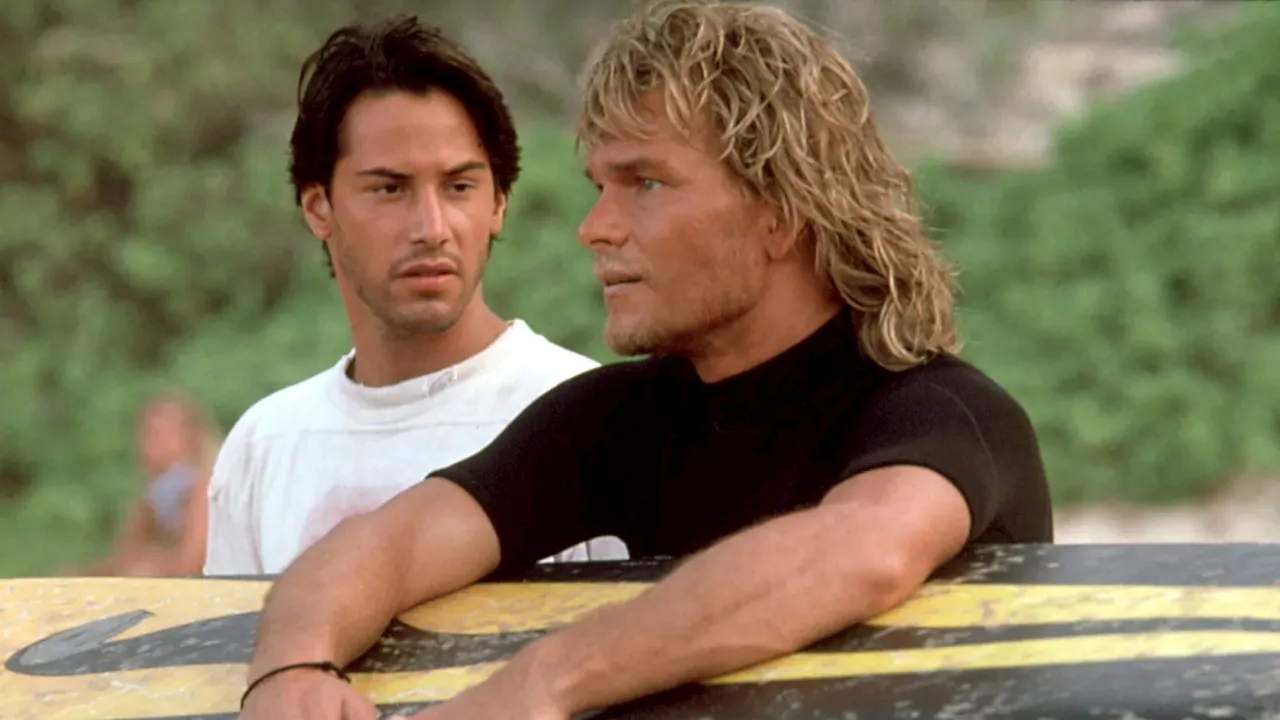
Renowned filmmaker James Cameron has clarified his involvement in a classic 1990s film, disclosing that he served as an uncredited writer. His comments also reflect frustration with the Writers Guild, raising questions about recognition for contributions in the industry. Although Cameron was a pivotal force behind two of the year’s most celebrated action movies, the details of his role in one of these films have often sparked debate.
Cameron, who directed the acclaimed Terminator 2 released in 1991, recently addressed his uncredited contributions to another significant film directed by his ex-wife Kathryn Bigelow. He expressed discontent with how his work was acknowledged, stating, “I flat out got stiffed by the Writers Guild on that. It was bulls***.” This statement highlights the ongoing challenges faced by writers regarding their recognition within the industry.
While Terminator 2 stands as a landmark in action cinema, Cameron’s history with Bigelow extends beyond this film. Their collaborations have become a notable aspect of Hollywood’s narrative, with Cameron also serving as an executive producer on Bigelow’s work. Despite the urban legends surrounding his involvement in writing the script, Cameron’s recent remarks serve to clarify the misconceptions that have prevailed over the years.
Cameron’s portfolio includes significant achievements, having directed two major films that were released in the same year, showcasing his remarkable talent. The impact of these films on the action genre is undeniable, with both titles often regarded as classics. The director’s candid reflections on his career may encourage audiences to reassess his contributions and the evolution of storytelling in cinema.
As fans revisit these films, Cameron’s insights offer a fresh perspective that could inspire discussions about the creative process and the significance of proper credit within the industry. Even if this revelation does not prompt immediate changes with the Writers Guild, it adds an intriguing layer to the legacy of Cameron’s work.
In a broader context, these discussions underscore a critical issue in the film industry: the importance of recognizing and crediting all contributors to a project. As the landscape of filmmaking continues to evolve, the conversations surrounding creative rights and recognition will likely persist, shaping the future of how films are made and credited.
Cameron’s experiences resonate with many in the industry who seek acknowledgment for their contributions. As audiences gear up to enjoy his latest projects, including the anticipated Avatar: Fire and Ash, the dialogue surrounding his past contributions adds depth to his ongoing narrative as a filmmaker. This evolving story reinforces the connection between artists and their work, reminding us of the intricate web of creativity and collaboration that defines the cinematic experience.

Grab the Wyze Cam OG Now at 50% Off for Enhanced Home Security

Big Bear’s Bald Eagles Capture Hearts as Social Media Sensations

Water Molecules Transform Prolinol Catalyst Structure, Study Finds

New York Times Bestsellers: Top Titles Revealed for January 24

Twin Capital Management Reduces Stake in Public Storage by Over 54%

Pennsylvania Republican Party Endorses Jason Richey for Lt. Governor

Lara Exploration Reaches New High: Is It Time to Invest?

**Gavin Pritzkau Crowned MVP at Urgent 2026 Orlando FBU Camp**

Medline and TransEnterix: A Comparative Investment Analysis

ALMA Discovers Companion Orbiting Giant Red Star π 1 Gruis

Doctoral Candidate Trivanni Yadav Advances Battery Research at UTulsa

Global Air Forces Ranked by Annual Defense Budgets in 2025

New ‘Star Trek: Voyager’ Game Demo Released, Players Test Limits

Mass Production of F-35 Fighter Jet Drives Down Costs

NASCAR Faces Fan Backlash as Steve Phelps’ Texts Surface

Gold Investment Surge: Top Mutual Funds and ETF Alternatives

DirecTV to Launch AI-Driven Ads with User Likenesses in 2026

SEVENTEEN’s Mingyu Faces Backlash Over Alcohol Incident at Concert
-
 Science3 months ago
ALMA Discovers Companion Orbiting Giant Red Star π 1 Gruis
-
 Science3 months ago
Doctoral Candidate Trivanni Yadav Advances Battery Research at UTulsa
-
 World4 months ago
Global Air Forces Ranked by Annual Defense Budgets in 2025
-
 Top Stories4 months ago
New ‘Star Trek: Voyager’ Game Demo Released, Players Test Limits
-
 World4 months ago
Mass Production of F-35 Fighter Jet Drives Down Costs
-
 Sports3 months ago
NASCAR Faces Fan Backlash as Steve Phelps’ Texts Surface
-
 Business4 months ago
Gold Investment Surge: Top Mutual Funds and ETF Alternatives
-
 Top Stories4 months ago
DirecTV to Launch AI-Driven Ads with User Likenesses in 2026
-
 Politics4 months ago
SEVENTEEN’s Mingyu Faces Backlash Over Alcohol Incident at Concert
-

 Science4 months ago
Time Crystals Revolutionize Quantum Computing Potential
-

 Entertainment4 months ago
Freeport Art Gallery Transforms Waste into Creative Masterpieces
-

 Science4 months ago
Remembering David E. Brest: A Life Dedicated to Nature and Family