
Top Stories
Norwegian Explorer Amundsen Triumphs in Historic South Pole Race

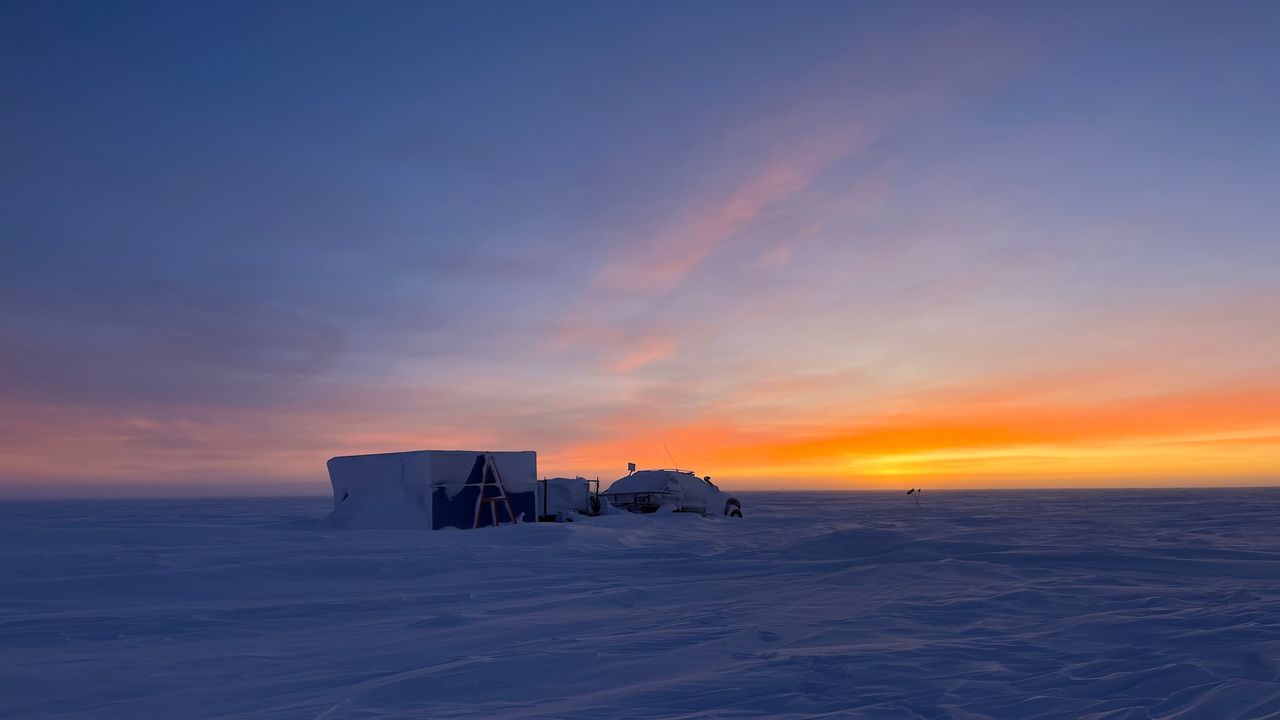
UPDATE: On December 14, 1911, Norwegian explorer Roald Amundsen made history by becoming the first person to reach the geographic South Pole. This monumental achievement came amid a fierce competition with British captain Robert Falcon Scott, who tragically perished shortly after.
The race to the South Pole began in 1910, igniting a rivalry between Amundsen and Scott. Both men aimed to conquer the last unexplored continent on Earth. While Scott had previously attempted the expedition in 1902 but turned back due to health issues, Amundsen kept his plans secret before announcing his intentions to Scott in a telegram that read, “Beg leave to inform you Fram proceeding Antarctic. Amundsen.”
Amundsen departed from Norway on August 9, 1910, aboard the Fram, establishing a base at Framheim on the Ross Ice Shelf, a crucial 60 miles (100 kilometers) closer to the pole than Scott’s base at McMurdo Sound. With a team of four and 13 dogs, Amundsen set out for the pole on October 21.
At precisely 3 p.m. local time on December 14, Amundsen shouted, “Halt!” marking the moment his team believed they had reached the South Pole. They celebrated by erecting a tent and planting the Norwegian flag.
Scott’s arrival came 35 days later, only to find Amundsen’s tent and flag. Tragically, he and his crew would succumb to starvation, dehydration, and the brutal Antarctic cold on their return journey. In his last journal entry on March 29, 1912, Scott expressed despair: “We shall stick it out to the end, but we are getting weaker.”
The stark contrast in outcomes raises questions about why Amundsen’s crew succeeded while Scott’s did not. Amundsen opted for a shorter route over the Axel Glacier and dressed his team in traditional Inuit gear, enhancing their chances against the elements. In a brutal strategy, Amundsen even planned to consume the sled dogs and raw penguin meat to sustain his team’s energy, a decision that proved vital in their survival.
New analyses suggest that Scott’s expedition faced unprecedented weather challenges, compounded by potential failings within his crew. A 2017 article in the journal Polar Record highlighted that crew member Edward Evans might have taken more than his share of food, leading to critical shortages.
Today, the South Pole is home to the Amundsen-Scott South Pole Station and the IceCube Neutrino Observatory. The legacy of these explorers continues to captivate, serving as a poignant reminder of human ambition and the perilous nature of exploration.
The historical significance of this event resonates even now, showcasing both the triumphs and tragedies of human endeavor. As we reflect on this monumental achievement, the stories of Amundsen and Scott remind us of the thin line between success and failure in the most extreme conditions.
Stay tuned for more updates as we continue to explore the legacies of these explorers and their impact on modern science and exploration.

Gethsemane Cemetery Honors Veterans in Urgent Wreath-Laying Ceremony

17-Year-Old Falls 100 Feet to Death Taking Sunset Photo

California Launches Affordable “CalRx” Insulin for Diabetics

Jewish Leaders Condemn Bondi Beach Terror Attack, Call for Solidarity

Wyoming Increases Stake in Agnico Eagle Mines by 69.5%

New Research Uncovers Ancient Rock Art’s Influence on Mesoamerican Beliefs

Celtic Manager Addresses Player Departures Amid Transfer Talks

Progressive Kashima Manzur Challenges Chris Pappas in Senate Race

Gov. Hochul Vetoes Bill, Boosting Mamdani’s Mayoral Authority

ALMA Discovers Companion Orbiting Giant Red Star π 1 Gruis

SEVENTEEN’s Mingyu Faces Backlash Over Alcohol Incident at Concert

New ‘Star Trek: Voyager’ Game Demo Released, Players Test Limits

Global Air Forces Ranked by Annual Defense Budgets in 2025

Mass Production of F-35 Fighter Jet Drives Down Costs

Electrification Challenges Demand Advanced Multiphysics Modeling

Gold Investment Surge: Top Mutual Funds and ETF Alternatives

Time Crystals Revolutionize Quantum Computing Potential

DirecTV to Launch AI-Driven Ads with User Likenesses in 2026
-
 Science4 weeks ago
ALMA Discovers Companion Orbiting Giant Red Star π 1 Gruis
-
 Politics2 months ago
SEVENTEEN’s Mingyu Faces Backlash Over Alcohol Incident at Concert
-
 Top Stories2 months ago
New ‘Star Trek: Voyager’ Game Demo Released, Players Test Limits
-
 World2 months ago
Global Air Forces Ranked by Annual Defense Budgets in 2025
-
 World2 months ago
Mass Production of F-35 Fighter Jet Drives Down Costs
-
 World2 months ago
Electrification Challenges Demand Advanced Multiphysics Modeling
-
 Business2 months ago
Gold Investment Surge: Top Mutual Funds and ETF Alternatives
-
 Science2 months ago
Time Crystals Revolutionize Quantum Computing Potential
-
 Top Stories2 months ago
DirecTV to Launch AI-Driven Ads with User Likenesses in 2026
-

 Entertainment2 months ago
Freeport Art Gallery Transforms Waste into Creative Masterpieces
-

 Business2 months ago
US Government Denies Coal Lease Bid, Impacting Industry Revival Efforts
-

 Lifestyle2 months ago
Discover Reese Witherspoon’s Chic Dining Room Style for Under $25