
Lifestyle
Kwanzaa Celebrates African American Heritage from December 26


Kwanzaa, a week-long celebration of African American culture, takes place annually from December 26 to January 1. This festive occasion, which began in 1966, highlights the rich traditions and contributions of the African American community. It offers an opportunity for individuals and families to reflect on their heritage and engage in cultural practices.
This year, Kwanzaa holds particular significance as an estimated 48.3 million people in the United States identified as Black, according to data from the Pew Research Center. This demographic represents a vital part of the nation’s diverse cultural landscape. The celebration emphasizes unity, resilience, and the values that have shaped African American identity.
Kwanzaa is rooted in principles that encourage community and family bonding. Each day of the celebration focuses on one of the seven guiding principles, known as the Nguzo Saba. These principles include unity, self-determination, collective work and responsibility, cooperative economics, purpose, creativity, and faith. Participants engage in various activities such as storytelling, music, and communal meals, which strengthen bonds within families and communities.
The celebration also serves as a reminder of the ongoing struggles and achievements within the African American community. Events often feature local leaders, artists, and educators who share their insights and experiences, fostering discussions about the past and future. This year, many communities will host workshops and events that highlight the importance of cultural preservation and social justice.
As Kwanzaa approaches, organizations and individuals are preparing for gatherings that celebrate cultural heritage. Community centers, churches, and schools often play a crucial role in organizing these festivities, creating inclusive spaces for everyone to participate. The observance not only honors African American culture but also invites all people to acknowledge and respect the diversity that enriches society.
In recent years, Kwanzaa has also gained international recognition, with celebrations taking place in various countries, reflecting the global reach of African culture. This expansion underscores the importance of cultural exchange and understanding among different communities.
In conclusion, Kwanzaa is more than just a holiday; it is a powerful affirmation of identity, culture, and community. As the celebrations commence on December 26, families and individuals will come together to honor their heritage and promote the values that unite them. The significance of Kwanzaa resonates not only within the African American community but also serves as a reminder of the shared human experience that connects us all.

Robinhood Stock Surges 2.5% in Early Trading on March 17

Israel Intensifies Strikes as Global Energy Crisis Looms

CALV Offers Class on Communication Skills for Real Estate Professionals

Historic Bideford Pub Reopens as The Patch Wine Bar & Kitchen

Oscar Night Celebrations: Winners, Guests, and Exclusive After-Parties

Samsung Galaxy Watch 9 Set for Larger Battery Boost, Report Reveals

Kibble vs. Fresh Dog Food: What’s Best for Your Dog’s Health?

Acclaimed San Francisco Pizzeria Del Popolo to Close in May

‘Invincible’ Season 4 Launches on Prime Video with Epic Action

ALMA Discovers Companion Orbiting Giant Red Star π 1 Gruis

Doctoral Candidate Trivanni Yadav Advances Battery Research at UTulsa

Global Air Forces Ranked by Annual Defense Budgets in 2025

Rev. Bry Shields to Retire as McGill-Toolen President in 2026

Mass Production of F-35 Fighter Jet Drives Down Costs

Tucson Celebrates Life and Remembrance at 36th Annual All Souls Procession

DirecTV to Launch AI-Driven Ads with User Likenesses in 2026

Gold Investment Surge: Top Mutual Funds and ETF Alternatives

Paul Giamatti Reveals Villainous Role in Star Trek: Starfleet Academy
-
 Science8 months ago
ALMA Discovers Companion Orbiting Giant Red Star π 1 Gruis
-
 Science8 months ago
Doctoral Candidate Trivanni Yadav Advances Battery Research at UTulsa
-
 World9 months ago
Global Air Forces Ranked by Annual Defense Budgets in 2025
-
 Lifestyle9 months ago
Rev. Bry Shields to Retire as McGill-Toolen President in 2026
-
 World9 months ago
Mass Production of F-35 Fighter Jet Drives Down Costs
-
 Lifestyle9 months ago
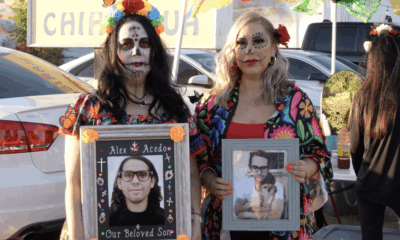
Tucson Celebrates Life and Remembrance at 36th Annual All Souls Procession
-
 Top Stories9 months ago
DirecTV to Launch AI-Driven Ads with User Likenesses in 2026
-
 Business9 months ago
Gold Investment Surge: Top Mutual Funds and ETF Alternatives
-
 Entertainment9 months ago
Paul Giamatti Reveals Villainous Role in Star Trek: Starfleet Academy
-

 Top Stories9 months ago
New ‘Star Trek: Voyager’ Game Demo Released, Players Test Limits
-

 Lifestyle8 months ago
Maumee’s Shop With a Hero Event Delivers Joy to Local Children
-

 Sports7 months ago
Lawrence Launches Winterfest Skating Rink and Hot Chocolate Chalet