
Health
Feminism’s Resilience: Debunking the Myths of Its Decline

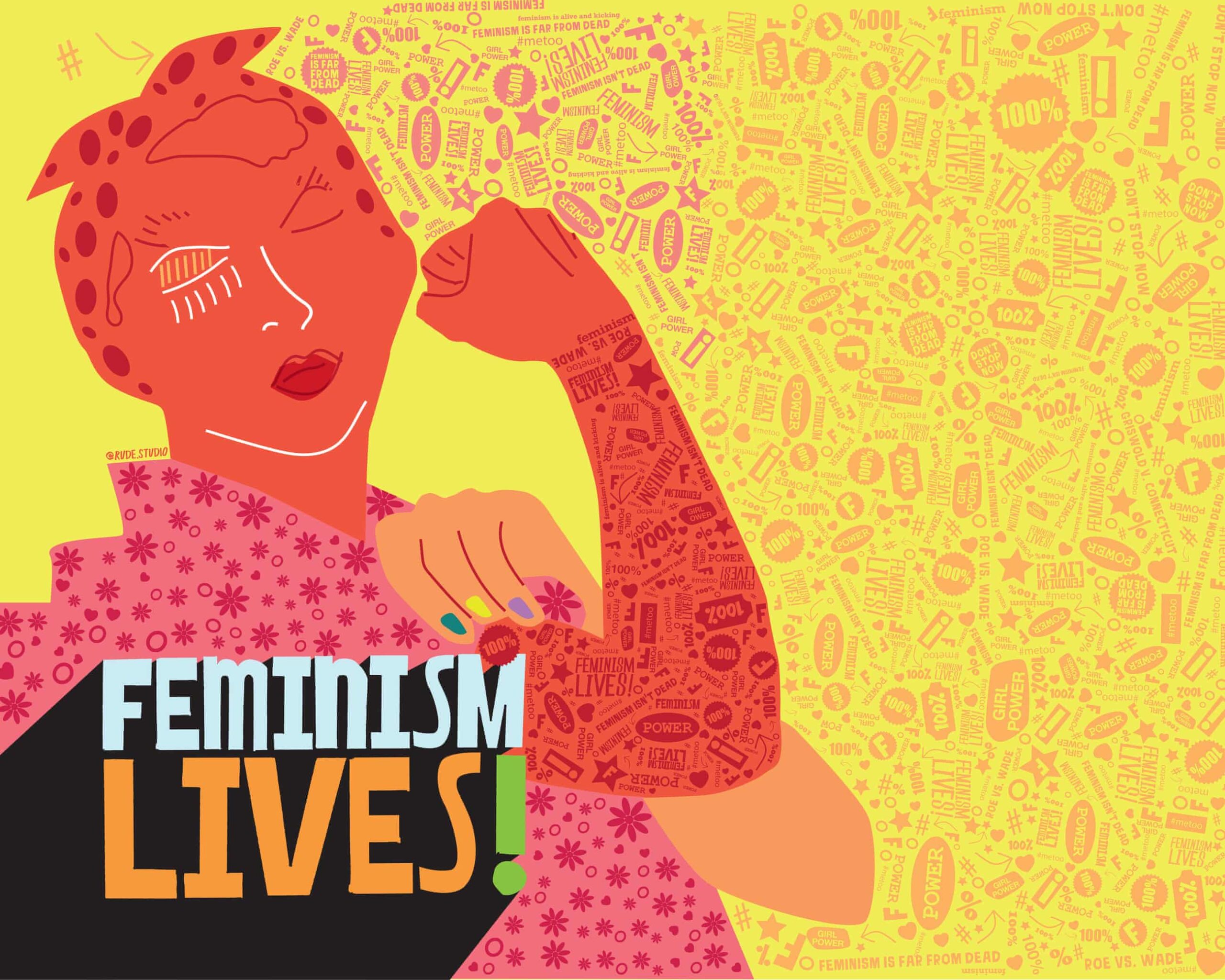
Feminism continues to thrive despite ongoing narratives suggesting its decline. Recent discussions have attempted to declare the movement’s end, often based on misconceptions that overlook the complexities of social progress. One major assumption is the belief that if feminism has not achieved complete victory after more than 60 years since the 1960s surge, it must be considered a failure. This perspective fails to recognize the deeply entrenched systems of patriarchy that have developed over millennia.
Another prevalent myth is that singular events can determine feminism’s success or failure. Recent examples include the overturning of Roe v. Wade in June 2022 and the #MeToo movement. Critics argue that these events signify a collapse in feminist efforts, yet such assessments are shortsighted. The fight for gender equality is a long-term struggle, not a series of isolated incidents.
The #MeToo movement, for instance, was not an isolated phenomenon but rather a culmination of years of feminist advocacy. It sparked a significant societal discourse about gender violence, challenging harmful stereotypes that have long protected abusers. Since its inception, legislative changes have occurred, including the passage of 70 anti-harassment laws across 40 states in the United States. In 2021, a nationwide law ended forced arbitration for sexual assault claims, allowing victims greater access to justice.
Many observers have prematurely declared the movement’s failure whenever high-profile cases of abuse occur. Yet, the very act of reporting these cases often results from the cultural shifts initiated by #MeToo. Notably, the imprisonment of figures like Harvey Weinstein and R. Kelly has signaled a new era of accountability for abusers, demonstrating that the justice system is increasingly willing to listen to victims.
“Prior to #MeToo, only three states had passed anti-harassment reforms,”
two women noted at the Practising Law Institute. They highlighted that over 3,000 legislative pieces have been introduced in response to the movement. These changes, while sometimes gradual, have fostered a more supportive environment for victims of sexual violence.
The Epstein files provide another example of ongoing feminist struggles. Investigative reporting led by Julie K. Brown of the Miami Herald shed light on Epstein’s crimes, amplifying the voices of numerous victims. This investigation not only resulted in Epstein’s arrest but also revealed a disturbing elite culture that often prioritizes the protection of powerful individuals over accountability.
The ongoing discussions surrounding the Epstein case illustrate a broader trend: increased participation of men in feminist dialogues. Lawmakers like Thomas Massie and Ro Khanna have taken active roles in addressing these issues, suggesting a growing recognition that feminism requires the involvement of all genders.
Despite visible progress, the journey toward gender equality remains ongoing. Many still struggle to comprehend the historical context from which current rights have emerged. For instance, before the 1973 decision in Roe v. Wade, women in the United States faced numerous restrictions concerning reproductive rights. While recent changes have alarmed many, it is crucial to reflect on the broader global context. Over the past 30 years, approximately 60 countries have expanded abortion rights, contrasting with only four nations that have restricted them.
Surveys indicate that public support for abortion rights remains strong, particularly among younger demographics. A 2024 poll revealed that nearly two-thirds of Americans support legal abortion, with over 75% of individuals under 30 in favor. This demonstrates a clear divergence between public opinion and legislative actions in some states.
The feminist movement has undeniably made substantial strides over the past several decades. Yet, it is essential to recognize that these advancements are not irreversible. Each achievement has required concerted efforts, and complacency could lead to setbacks. The backlash against feminist progress, often fueled by groups promoting misogyny and inequality, highlights the need for continued vigilance in advocacy.
The evolution of gender roles within domestic life also reflects these changes. Social scientists have documented a “gender revolution,” signifying how women have increasingly entered the public workforce while men are gradually participating more in domestic responsibilities. Although disparities in household labor persist, the expectation for men to contribute to family life has shifted significantly from what it was decades ago.
As the feminist movement continues to advance, it is vital to acknowledge how far society has come while remaining aware of the work that still lies ahead. The challenges ahead may seem daunting, but the lessons of history remind us that progress is achievable through sustained effort. Recognizing the past’s injustices and victories can empower future generations to continue the fight for equality.
In conclusion, the narrative that feminism is in decline is both misleading and simplistic. The movement is alive and evolving, with ongoing efforts to address the multifaceted challenges women face today. The story of feminism is far from over; it’s a continuous struggle for rights and recognition that requires the involvement of everyone committed to equality.

Robinhood Stock Surges 2.5% in Early Trading on March 17

Israel Intensifies Strikes as Global Energy Crisis Looms

CALV Offers Class on Communication Skills for Real Estate Professionals

Historic Bideford Pub Reopens as The Patch Wine Bar & Kitchen

Oscar Night Celebrations: Winners, Guests, and Exclusive After-Parties

Samsung Galaxy Watch 9 Set for Larger Battery Boost, Report Reveals

Kibble vs. Fresh Dog Food: What’s Best for Your Dog’s Health?

Acclaimed San Francisco Pizzeria Del Popolo to Close in May

‘Invincible’ Season 4 Launches on Prime Video with Epic Action

ALMA Discovers Companion Orbiting Giant Red Star π 1 Gruis

Doctoral Candidate Trivanni Yadav Advances Battery Research at UTulsa

Global Air Forces Ranked by Annual Defense Budgets in 2025

Rev. Bry Shields to Retire as McGill-Toolen President in 2026

Mass Production of F-35 Fighter Jet Drives Down Costs

Tucson Celebrates Life and Remembrance at 36th Annual All Souls Procession

DirecTV to Launch AI-Driven Ads with User Likenesses in 2026

Gold Investment Surge: Top Mutual Funds and ETF Alternatives

Paul Giamatti Reveals Villainous Role in Star Trek: Starfleet Academy
-
 Science9 months ago
ALMA Discovers Companion Orbiting Giant Red Star π 1 Gruis
-
 Science8 months ago
Doctoral Candidate Trivanni Yadav Advances Battery Research at UTulsa
-
 World10 months ago
Global Air Forces Ranked by Annual Defense Budgets in 2025
-
 Lifestyle9 months ago
Rev. Bry Shields to Retire as McGill-Toolen President in 2026
-
 World10 months ago
Mass Production of F-35 Fighter Jet Drives Down Costs
-
 Lifestyle9 months ago
Tucson Celebrates Life and Remembrance at 36th Annual All Souls Procession
-
 Top Stories10 months ago
DirecTV to Launch AI-Driven Ads with User Likenesses in 2026
-
 Business10 months ago
Gold Investment Surge: Top Mutual Funds and ETF Alternatives
-
 Entertainment10 months ago
Paul Giamatti Reveals Villainous Role in Star Trek: Starfleet Academy
-

 Top Stories10 months ago
New ‘Star Trek: Voyager’ Game Demo Released, Players Test Limits
-

 Lifestyle8 months ago
Maumee’s Shop With a Hero Event Delivers Joy to Local Children
-

 Lifestyle7 months ago
Cape May Shines as New Jersey’s Only Entry on Beach Town List