
Top Stories
Scientists Uncover How Memories Last, Transforming Neuroscience

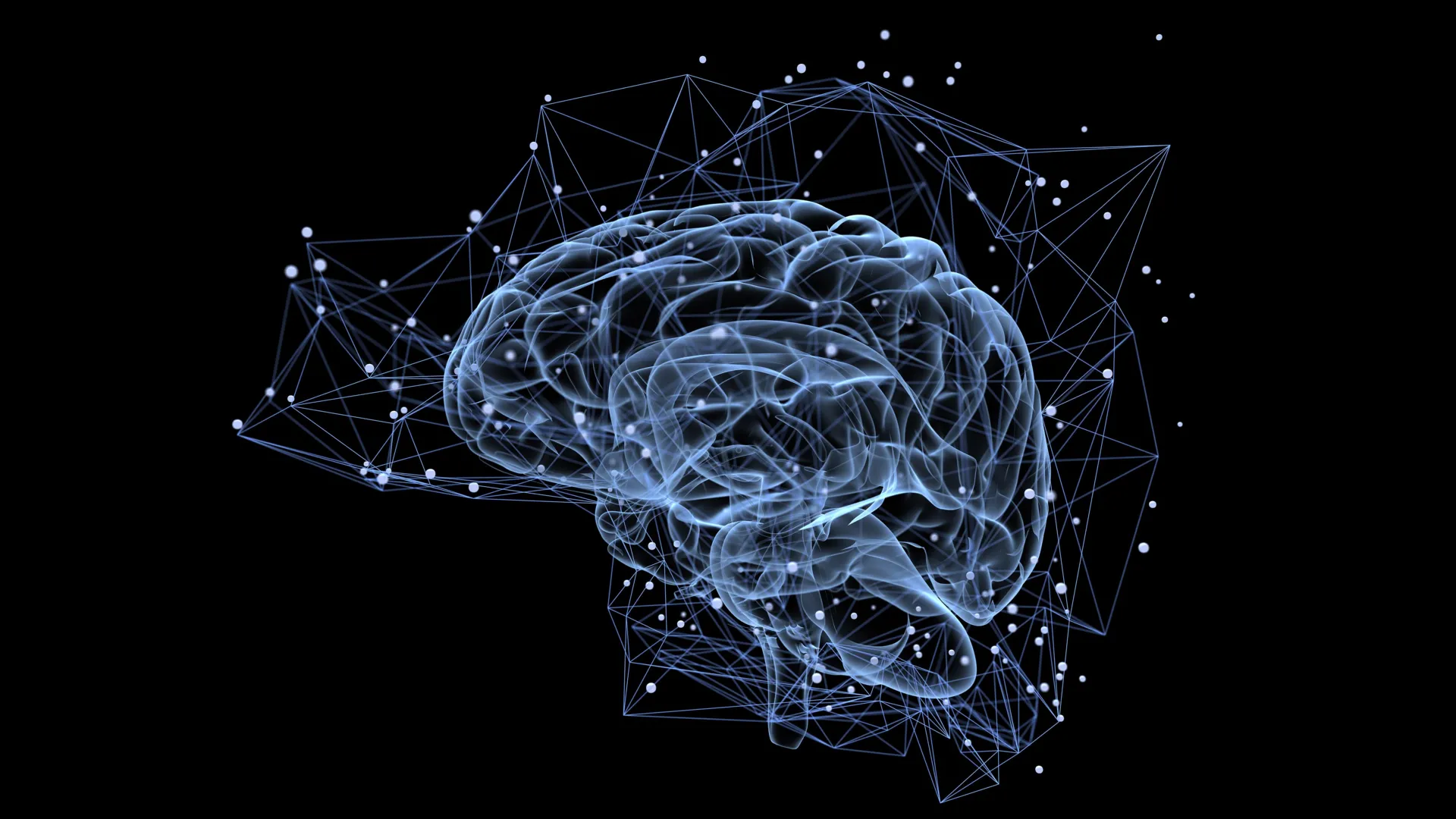
UPDATE: Groundbreaking research from Rockefeller University has revealed the intricate mechanisms that determine why some memories endure while others fade. Published on November 30, 2025, in the journal Nature, this urgent discovery reshapes our understanding of memory formation, showing a complex system that stabilizes memories over time.
By utilizing virtual reality learning tasks, scientists tracked brain activity in mice, identifying specific molecules that play a critical role in memory persistence. These findings could have profound implications for understanding memory-related diseases, including Alzheimer’s.
Researchers, led by Priya Rajasethupathy, discovered that memories do not simply switch on and off. Instead, they are maintained through a series of molecular processes that activate at different times, forming a coordinated pattern essential for memory stability. “What we choose to remember is a continuously evolving process rather than a one-time flipping of a switch,” Rajasethupathy stated.
The study highlights a significant shift from traditional models that focused solely on the hippocampus and cortex. Instead, it reveals the thalamus as a vital hub that determines which memories are retained. This new understanding opens doors to deeper inquiries about memory retention and its biological underpinnings.
To explore these mechanisms, the research team designed a virtual reality system that allowed mice to form distinct memories. They identified three key molecules—Camta1, Tcf4, and Ash1l—that are crucial for maintaining memories. Disruptions in these molecules led to significant memory loss, emphasizing their importance in the memory consolidation process.
The findings reveal that early molecular timers activate quickly but fade just as fast, while later timers provide the structural support essential for long-lasting memories. “Unless you promote memories onto these timers, we believe you’re primed to forget it quickly,” Rajasethupathy explained.
These insights not only deepen our understanding of memory but also suggest potential pathways for therapeutic interventions. By identifying how these gene programs operate, scientists hope to develop strategies to bypass damaged brain regions in conditions like Alzheimer’s, allowing healthy areas to take over memory functions.
Next steps for the research team involve decoding the activation processes of these molecular timers and understanding how the brain assesses the significance of memories. Rajasethupathy’s ongoing work continues to focus on the thalamus as a central player in this critical decision-making process.
This latest research represents a significant leap in neuroscience, promising to unravel the complexities of memory and its lasting impact on our lives. As scientists continue to probe the depths of memory formation, the potential for new treatments and a deeper understanding of human cognition expands.
Stay tuned for further updates on this developing story as researchers unlock the secrets of memory and its profound influence on our identities.

Analysts Highlight Manulife Financial as a Leading Investment Choice

Vauban Revamped: New Abilities and Skin Launch on February 11

Understanding Chronic Venous Insufficiency: Symptoms and Solutions

Fayetteville Storage Facility Fire Erupts, Ramsey Street Closed

Grab the Wyze Cam OG Now at 50% Off for Enhanced Home Security

Big Bear’s Bald Eagles Capture Hearts as Social Media Sensations

Water Molecules Transform Prolinol Catalyst Structure, Study Finds

New York Times Bestsellers: Top Titles Revealed for January 24

Twin Capital Management Reduces Stake in Public Storage by Over 54%

ALMA Discovers Companion Orbiting Giant Red Star π 1 Gruis

Doctoral Candidate Trivanni Yadav Advances Battery Research at UTulsa

New ‘Star Trek: Voyager’ Game Demo Released, Players Test Limits

Global Air Forces Ranked by Annual Defense Budgets in 2025

Mass Production of F-35 Fighter Jet Drives Down Costs

NASCAR Faces Fan Backlash as Steve Phelps’ Texts Surface

DirecTV to Launch AI-Driven Ads with User Likenesses in 2026

Gold Investment Surge: Top Mutual Funds and ETF Alternatives

SEVENTEEN’s Mingyu Faces Backlash Over Alcohol Incident at Concert
-
 Science3 months ago
ALMA Discovers Companion Orbiting Giant Red Star π 1 Gruis
-
 Science3 months ago
Doctoral Candidate Trivanni Yadav Advances Battery Research at UTulsa
-
 Top Stories4 months ago
New ‘Star Trek: Voyager’ Game Demo Released, Players Test Limits
-
 World4 months ago
Global Air Forces Ranked by Annual Defense Budgets in 2025
-
 World4 months ago
Mass Production of F-35 Fighter Jet Drives Down Costs
-
 Sports3 months ago
NASCAR Faces Fan Backlash as Steve Phelps’ Texts Surface
-
 Top Stories4 months ago
DirecTV to Launch AI-Driven Ads with User Likenesses in 2026
-
 Business4 months ago
Gold Investment Surge: Top Mutual Funds and ETF Alternatives
-
 Politics4 months ago
SEVENTEEN’s Mingyu Faces Backlash Over Alcohol Incident at Concert
-

 Science4 months ago
Time Crystals Revolutionize Quantum Computing Potential
-

 Entertainment4 months ago
Freeport Art Gallery Transforms Waste into Creative Masterpieces
-

 Science4 months ago
Remembering David E. Brest: A Life Dedicated to Nature and Family