
World
American Airlines Celebrates a Century of Aviation Excellence

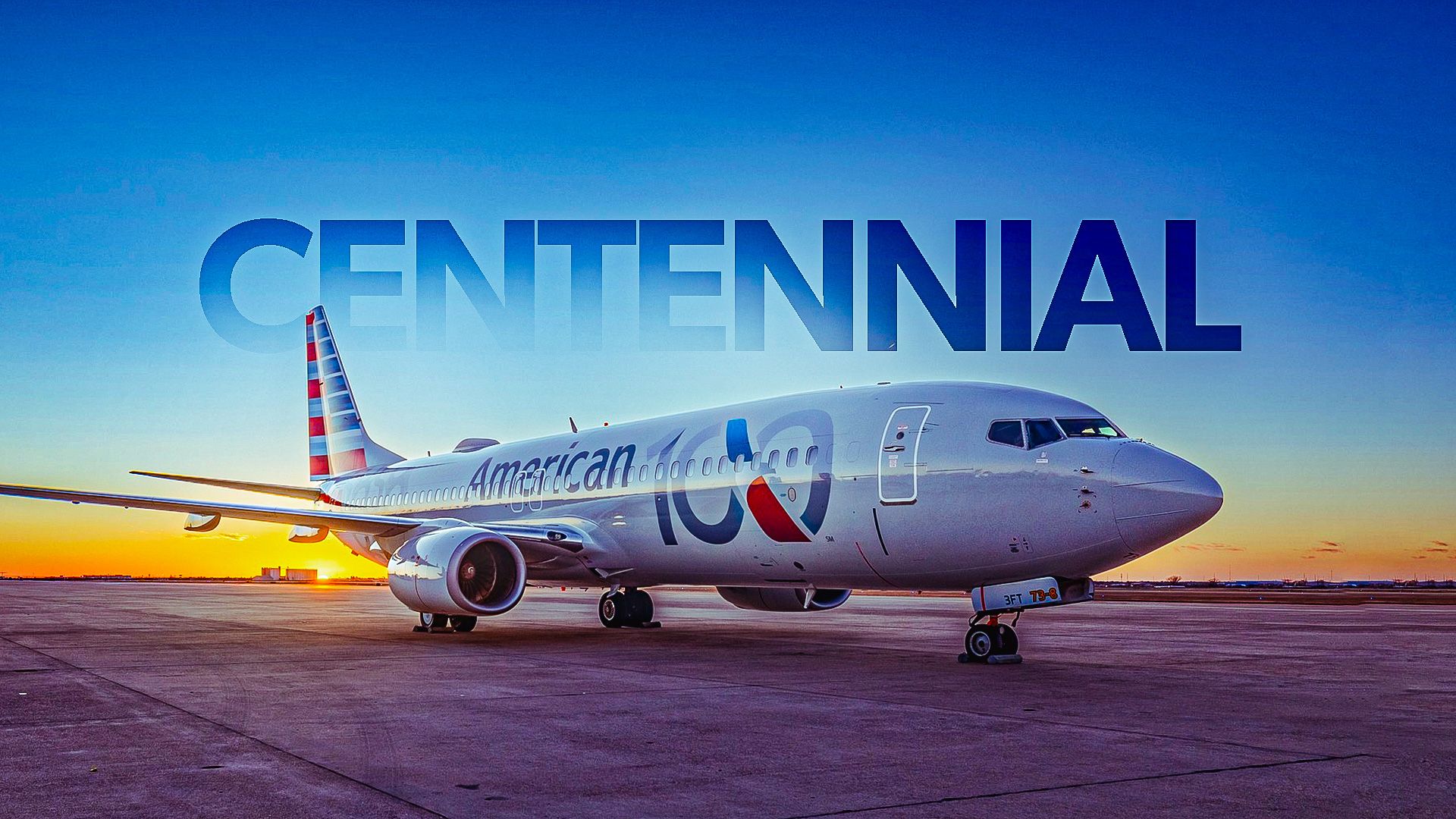
American Airlines, headquartered in Fort Worth, Texas, marks its 100th anniversary as a major player in the aviation industry. Established in 1926 from the consolidation of smaller airlines, it has evolved significantly over the decades. Today, it stands as the world’s largest airline by various metrics, including passenger numbers and flights operated. The airline’s journey reflects broader trends in the aviation sector, showcasing its adaptability and resilience through numerous global challenges.
Tracing the Roots of American Airlines
The origins of American Airlines can be traced back to April 15, 1926, when aviator Charles A. Lindbergh began flying mail routes between Chicago and St. Louis. This operation laid the groundwork for what would become a cornerstone of American airlines’ legacy. By 1936, American Airlines had distinguished itself as the first carrier to utilize the Douglas DC-3 in commercial service, enhancing the viability of scheduled passenger flights.
The airline went public on the New York Stock Exchange in 1939, signaling its transition from a small operation to a significant corporate entity. This shift was crucial as it demonstrated the airline’s commitment to reliability and operational excellence, ultimately establishing air travel as a safe and routine option for passengers.
Expansion Through Innovation and Strategy
Following World War II, American Airlines played a pivotal role in transforming aviation into a mainstream industry. In 1944, it launched what it claimed was the world’s first scheduled air cargo service, expanding its operational scope beyond passenger flights. By 1945, the airline began transatlantic services, further broadening its global reach.
In the 1950s, American Airlines continued to innovate, introducing nonstop transcontinental services and establishing a dedicated flight-attendant training facility. The introduction of the Boeing 707 in 1959 marked the airline’s entry into the jet age, significantly enhancing its operational capacity and speed.
The 1960s and 1970s were characterized by further advancements, including the establishment of the Sabre reservations system, which revolutionized seat inventory management. The airline also made strides in diversity, hiring Bonnie Tiburzi Caputo, the first female pilot for a major US carrier in 1973.
The 1978 deregulation of the US airline industry required American Airlines to adapt its business model, leading to the introduction of innovative pricing strategies, such as SuperSaver fares. These changes positioned the airline to compete effectively in an increasingly competitive market.
Modernization and Consolidation
The challenges of the 2000s, including rising fuel prices and increased competition, culminated in American Airlines filing for bankruptcy in 2011. However, the subsequent merger with US Airways in 2013 formed the American Airlines Group, resulting in a more robust operational framework and consolidating its position in the market.
As American Airlines approaches its centennial year, it continues to innovate. The airline is focusing on enhancing passenger experience and loyalty, as evidenced by the rollout of free high-speed Wi-Fi for AAdvantage members starting in January 2026. Additionally, it has set ambitious targets for emissions reduction, aligning with global sustainability trends.
Today, American Airlines is not only the largest airline in the United States by passenger count but also a key connector between the US and Latin America, particularly through its hub at Miami International Airport. The airline’s ongoing commitment to service excellence and operational efficiency positions it well for the future, as it seeks to attract higher-value travelers in a competitive landscape.
Through a century of innovation, resilience, and strategic evolution, American Airlines has established itself as a cornerstone of commercial aviation, continually adapting to meet the demands of a changing world.

Colorado Residents Turn to Home Battery Backup Amid Power Outages

American Airlines Celebrates a Century of Aviation Excellence

Cupid Kannapolis Event Sparks Local Business Promotions

Carolina Artists Guild Launches Monthly Art Sales for Local Artists

Orlando High School Basketball Championships: Key Scores and Highlights

Four Arrested, Including Mastermind, in Islamabad Mosque Bombing

Transdermal HRT Significantly Enhances Bone Density in Women

Stony Brook Secures Victory Over Northeastern with 69-55 Win

Haiti’s Transitional Council Dissolves, PM Fils-Aime Takes Charge

ALMA Discovers Companion Orbiting Giant Red Star π 1 Gruis

Doctoral Candidate Trivanni Yadav Advances Battery Research at UTulsa

Global Air Forces Ranked by Annual Defense Budgets in 2025

New ‘Star Trek: Voyager’ Game Demo Released, Players Test Limits

Mass Production of F-35 Fighter Jet Drives Down Costs

NASCAR Faces Fan Backlash as Steve Phelps’ Texts Surface

Gold Investment Surge: Top Mutual Funds and ETF Alternatives

DirecTV to Launch AI-Driven Ads with User Likenesses in 2026

SEVENTEEN’s Mingyu Faces Backlash Over Alcohol Incident at Concert
-
 Science3 months ago
ALMA Discovers Companion Orbiting Giant Red Star π 1 Gruis
-
 Science3 months ago
Doctoral Candidate Trivanni Yadav Advances Battery Research at UTulsa
-
 World4 months ago
Global Air Forces Ranked by Annual Defense Budgets in 2025
-
 Top Stories4 months ago
New ‘Star Trek: Voyager’ Game Demo Released, Players Test Limits
-
 World4 months ago
Mass Production of F-35 Fighter Jet Drives Down Costs
-
 Sports3 months ago
NASCAR Faces Fan Backlash as Steve Phelps’ Texts Surface
-
 Business4 months ago
Gold Investment Surge: Top Mutual Funds and ETF Alternatives
-
 Top Stories4 months ago
DirecTV to Launch AI-Driven Ads with User Likenesses in 2026
-
 Politics4 months ago
SEVENTEEN’s Mingyu Faces Backlash Over Alcohol Incident at Concert
-

 Science4 months ago
Time Crystals Revolutionize Quantum Computing Potential
-

 Entertainment4 months ago
Freeport Art Gallery Transforms Waste into Creative Masterpieces
-

 Science4 months ago
Remembering David E. Brest: A Life Dedicated to Nature and Family