
Science
Titan Missile’s Historic Launch: A Cold War Breakthrough on Feb 6, 1959

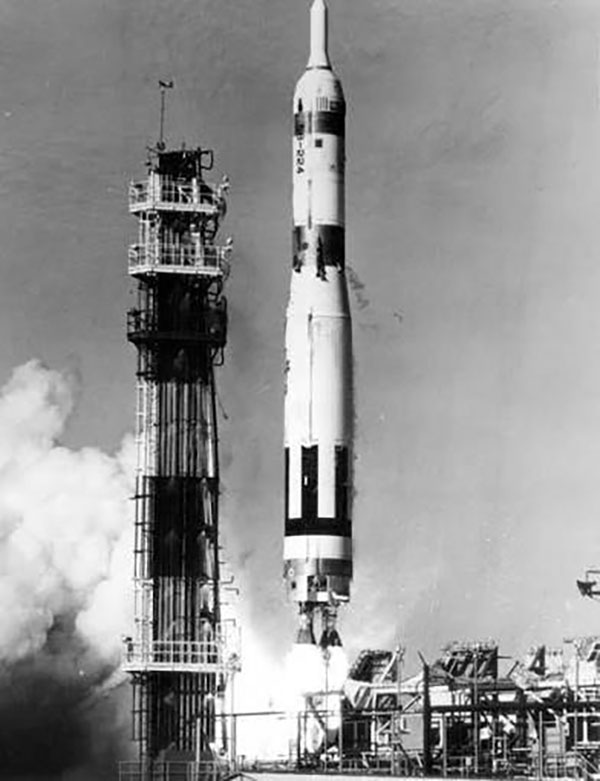
On February 6, 1959, the United States achieved a significant milestone by successfully launching the first Titan intercontinental ballistic missile at Cape Canaveral. This event marked a pivotal advancement in long-range rocket technology and bolstered national defense capabilities during a critical period of the Cold War.
Significance of the Titan Missile Program
The development of the Titan missile program emerged amid heightened geopolitical tensions. Designed to enhance America’s strategic deterrence, these powerful and reliable missile systems were crucial in the race for technological superiority against adversaries. The successful launch showcased the increasing sophistication of U.S. rocketry and highlighted the urgency of advancing military capabilities during this era.
Beyond its military applications, the Titan program produced variants that would later be instrumental in peaceful exploration efforts. Notably, Titan launch vehicles became a cornerstone of NASA’s early spaceflight initiatives. They played a vital role in the Mercury and Gemini programs, which were essential in the journey towards human space exploration and ultimately the missions to the Moon.
The successful launch of the Titan missile on February 6, 1959, also cemented Cape Canaveral’s status as a central hub for American missile testing and space exploration. Initially serving as a military proving ground, it evolved into one of the most iconic launch sites worldwide, shaping Florida’s identity as the gateway to space.
The Legacy of the Titan Launch
The Titan missile’s first successful launch represented more than just a technological achievement; it was a defining moment in the context of the Cold War. It underlined the importance of innovation in defense strategies and the drive for advancements in rocketry. As the Cold War unfolded, the emphasis on missile technology and national security would continue to influence U.S. policy and military strategy.
In summary, the events of February 6, 1959, showcased the United States’ commitment to developing advanced missile systems and laid the groundwork for future exploration endeavors. The legacy of the Titan missile program continues to resonate today, as it contributed significantly to both national defense and space exploration, leaving an indelible mark on history.

Robinhood Stock Surges 2.5% in Early Trading on March 17

Israel Intensifies Strikes as Global Energy Crisis Looms

CALV Offers Class on Communication Skills for Real Estate Professionals

Historic Bideford Pub Reopens as The Patch Wine Bar & Kitchen

Oscar Night Celebrations: Winners, Guests, and Exclusive After-Parties

Samsung Galaxy Watch 9 Set for Larger Battery Boost, Report Reveals

Kibble vs. Fresh Dog Food: What’s Best for Your Dog’s Health?

Acclaimed San Francisco Pizzeria Del Popolo to Close in May

‘Invincible’ Season 4 Launches on Prime Video with Epic Action

ALMA Discovers Companion Orbiting Giant Red Star π 1 Gruis

Doctoral Candidate Trivanni Yadav Advances Battery Research at UTulsa

Global Air Forces Ranked by Annual Defense Budgets in 2025

Rev. Bry Shields to Retire as McGill-Toolen President in 2026

Mass Production of F-35 Fighter Jet Drives Down Costs

Tucson Celebrates Life and Remembrance at 36th Annual All Souls Procession

Gold Investment Surge: Top Mutual Funds and ETF Alternatives

DirecTV to Launch AI-Driven Ads with User Likenesses in 2026

Paul Giamatti Reveals Villainous Role in Star Trek: Starfleet Academy
-
 Science9 months ago
ALMA Discovers Companion Orbiting Giant Red Star π 1 Gruis
-
 Science8 months ago
Doctoral Candidate Trivanni Yadav Advances Battery Research at UTulsa
-
 World10 months ago
Global Air Forces Ranked by Annual Defense Budgets in 2025
-
 Lifestyle9 months ago
Rev. Bry Shields to Retire as McGill-Toolen President in 2026
-
 World10 months ago
Mass Production of F-35 Fighter Jet Drives Down Costs
-
 Lifestyle9 months ago
Tucson Celebrates Life and Remembrance at 36th Annual All Souls Procession
-
 Business10 months ago
Gold Investment Surge: Top Mutual Funds and ETF Alternatives
-
 Top Stories10 months ago
DirecTV to Launch AI-Driven Ads with User Likenesses in 2026
-
 Entertainment10 months ago
Paul Giamatti Reveals Villainous Role in Star Trek: Starfleet Academy
-

 Top Stories10 months ago
New ‘Star Trek: Voyager’ Game Demo Released, Players Test Limits
-

 Lifestyle8 months ago
Maumee’s Shop With a Hero Event Delivers Joy to Local Children
-

 Lifestyle7 months ago
Cape May Shines as New Jersey’s Only Entry on Beach Town List