
Science
New Robotic Cells Set to Revolutionize Aerospace Manufacturing

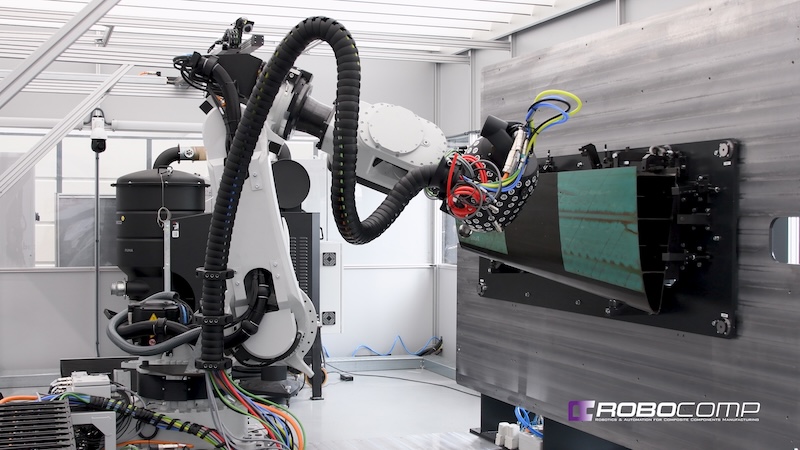
The aerospace industry is taking a significant step toward sustainable manufacturing with the development of a new generation of robotic cells aimed at achieving net zero emissions by 2050. This initiative, spearheaded by the technology centre IDEKO, addresses critical challenges posed by traditional manufacturing methods that rely on heavy and inflexible machinery.
Currently, the aeronautical sector faces dual pressures: the urgent need to lower emissions and the demand to enhance competitiveness by reducing production costs. The existing production landscape is marked by machinery that not only contributes to high operational costs but also limits flexibility in manufacturing processes.
IDEKO is at the forefront of this transformation, focusing on innovative solutions that integrate advanced robotics into aerospace manufacturing. These new robotic cells promise to enhance efficiency while significantly cutting emissions. By leveraging automated technology, manufacturers can streamline processes, thereby reducing waste and energy consumption.
The adoption of these robotic systems is expected to lead to substantial cost savings. As the aerospace sector strives to meet environmental targets, the reduction in reliance on traditional machinery may also open avenues for investment in cleaner technologies. This shift aligns with broader industry goals to transition towards more sustainable practices.
In a statement, a representative from IDEKO highlighted the importance of this development: “Our goal is to create a more adaptable manufacturing environment that not only meets regulatory demands but also positions companies competitively within the global market. The new robotic cells represent a crucial step in this journey.”
The impact of these advancements extends beyond mere production efficiency. By embracing sustainability, the aerospace industry can bolster its reputation and appeal to environmentally conscious consumers and stakeholders. As the sector looks towards a future defined by reduced carbon footprints, the role of innovative technologies will become increasingly vital.
The aerospace manufacturing landscape is poised for transformation as companies begin to implement these robotic systems. The shift towards flexible, zero-emission production methods is not just a response to regulatory requirements; it is an opportunity for the sector to redefine its operational paradigms and enhance overall efficiency.
In conclusion, the collaboration between IDEKO and the aerospace industry signifies a promising step forward in achieving net zero emissions by 2050. As this new generation of robotic cells comes into play, it may well mark the beginning of a new era in aerospace manufacturing, characterized by sustainability and innovation.

Robinhood Stock Surges 2.5% in Early Trading on March 17

Israel Intensifies Strikes as Global Energy Crisis Looms

CALV Offers Class on Communication Skills for Real Estate Professionals

Historic Bideford Pub Reopens as The Patch Wine Bar & Kitchen

Oscar Night Celebrations: Winners, Guests, and Exclusive After-Parties

Samsung Galaxy Watch 9 Set for Larger Battery Boost, Report Reveals

Kibble vs. Fresh Dog Food: What’s Best for Your Dog’s Health?

Acclaimed San Francisco Pizzeria Del Popolo to Close in May

‘Invincible’ Season 4 Launches on Prime Video with Epic Action

ALMA Discovers Companion Orbiting Giant Red Star π 1 Gruis

Doctoral Candidate Trivanni Yadav Advances Battery Research at UTulsa

Global Air Forces Ranked by Annual Defense Budgets in 2025

Rev. Bry Shields to Retire as McGill-Toolen President in 2026

Mass Production of F-35 Fighter Jet Drives Down Costs

Tucson Celebrates Life and Remembrance at 36th Annual All Souls Procession

Gold Investment Surge: Top Mutual Funds and ETF Alternatives

DirecTV to Launch AI-Driven Ads with User Likenesses in 2026

Paul Giamatti Reveals Villainous Role in Star Trek: Starfleet Academy
-
 Science9 months ago
ALMA Discovers Companion Orbiting Giant Red Star π 1 Gruis
-
 Science8 months ago
Doctoral Candidate Trivanni Yadav Advances Battery Research at UTulsa
-
 World10 months ago
Global Air Forces Ranked by Annual Defense Budgets in 2025
-
 Lifestyle10 months ago
Rev. Bry Shields to Retire as McGill-Toolen President in 2026
-
 World10 months ago
Mass Production of F-35 Fighter Jet Drives Down Costs
-
 Lifestyle9 months ago
Tucson Celebrates Life and Remembrance at 36th Annual All Souls Procession
-
 Business10 months ago
Gold Investment Surge: Top Mutual Funds and ETF Alternatives
-
 Top Stories10 months ago
DirecTV to Launch AI-Driven Ads with User Likenesses in 2026
-
 Entertainment10 months ago
Paul Giamatti Reveals Villainous Role in Star Trek: Starfleet Academy
-

 Lifestyle8 months ago
Maumee’s Shop With a Hero Event Delivers Joy to Local Children
-

 Top Stories10 months ago
New ‘Star Trek: Voyager’ Game Demo Released, Players Test Limits
-

 Lifestyle7 months ago
Cape May Shines as New Jersey’s Only Entry on Beach Town List