
World
Canadian Court Rules 2022 Emergencies Act Invocation Unreasonable

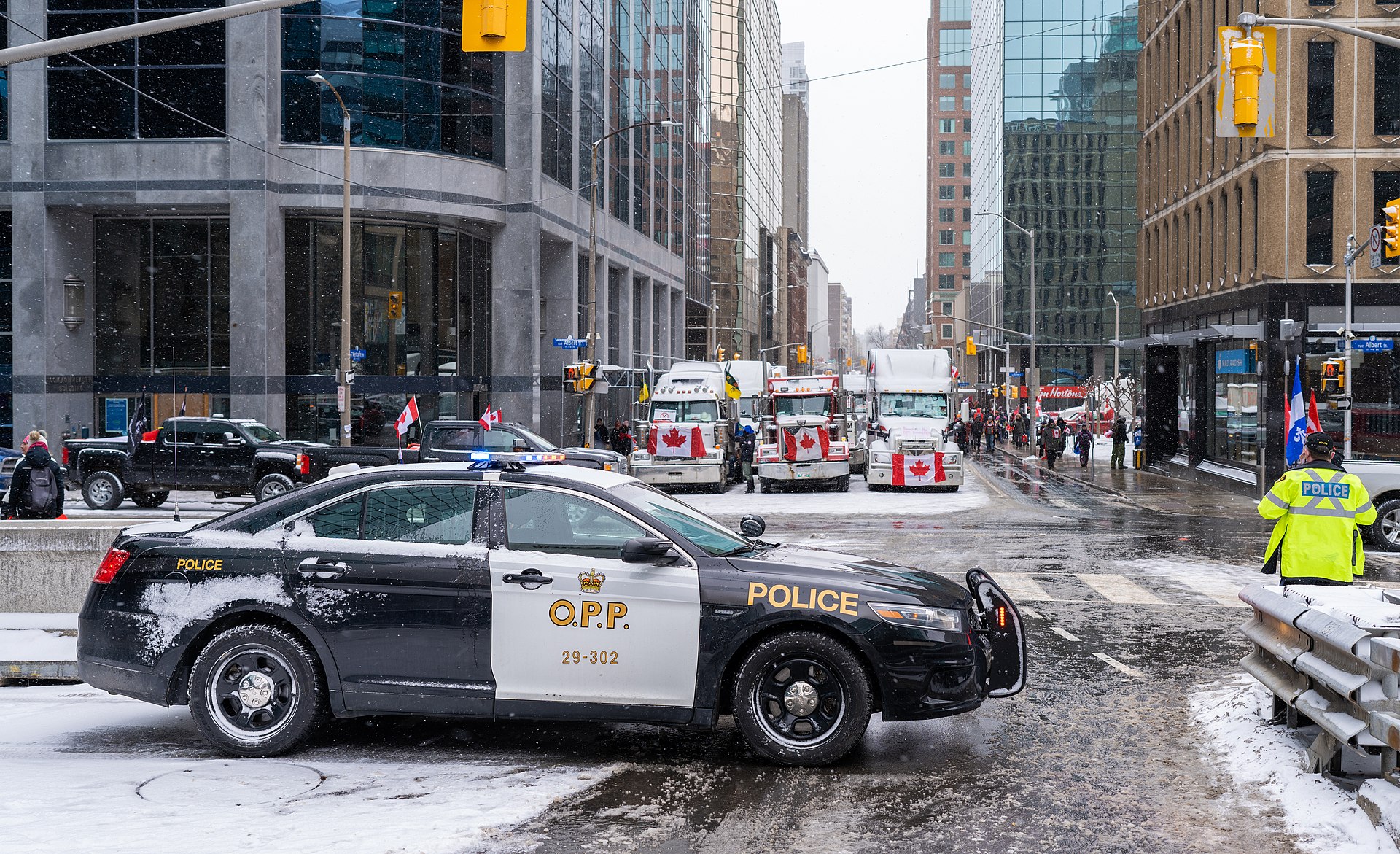
The Federal Court of Appeal in Canada has ruled that the government’s invocation of the Emergencies Act in 2022 was “unreasonable” and exceeded its legal authority. This decision, delivered on October 6, 2023, upholds a previous ruling by Justice Richard Mosley of the Federal Court, who found that the government did not meet the necessary criteria to declare a public order emergency.
The court underscored that the Emergencies Act was intended to limit executive power, a safeguard against historical abuses seen under previous legislation. The judges emphasized that the law includes “narrowly defined terms” to ensure that any emergency measures are subject to constitutional limits as outlined in the Canadian Charter of Rights and Freedoms.
In its analysis, the court determined that the government failed to demonstrate “reasonable grounds” for believing that there were threats to the security of Canada or that a national emergency existed as defined by the Emergencies Act. Specifically, the ruling noted that the situation could have been managed under existing laws without resorting to emergency powers.
Legal Implications of the Ruling
The three-judge panel also addressed significant infringements on constitutional rights. The court found that the regulations established under the emergency measures unlawfully restricted freedom of expression by criminalizing certain protests. This violation of section 2(b) of the Charter was deemed unjustifiable under section 1, which allows for limits on rights only in specific circumstances.
Additionally, the ruling highlighted that the economic measures implemented during the emergency, particularly those involving information-sharing and account-freezing, violated section 8 protections against unreasonable search and seizure. Again, the government could not justify these infringements under the Charter.
In a response to the ruling, the Canadian Civil Liberties Association praised the decision as a significant limitation on future government overreach during emergencies. The director of fundamental freedoms stated, “Legal thresholds do not bend, much less break, in exigent circumstances.”
This legal battle originates from the federal government’s decision on February 14, 2022, to declare a public order emergency amid the “Freedom Convoy” protests, which included significant disruptions at borders. This marked the first utilization of the Emergencies Act since its enactment in 1988, a move that has now been ruled as lacking the necessary legal justification.
As Canada reflects on this landmark ruling, the implications for future use of emergency powers and the protection of civil liberties remain critical points of discussion. The court’s decision not only reaffirms the importance of legal constraints on government actions but also serves as a reminder of the ongoing need to balance public safety with individual rights.

Analysts Highlight Manulife Financial as a Leading Investment Choice

Vauban Revamped: New Abilities and Skin Launch on February 11

Understanding Chronic Venous Insufficiency: Symptoms and Solutions

Fayetteville Storage Facility Fire Erupts, Ramsey Street Closed

Grab the Wyze Cam OG Now at 50% Off for Enhanced Home Security

Big Bear’s Bald Eagles Capture Hearts as Social Media Sensations

Water Molecules Transform Prolinol Catalyst Structure, Study Finds

New York Times Bestsellers: Top Titles Revealed for January 24

Twin Capital Management Reduces Stake in Public Storage by Over 54%

ALMA Discovers Companion Orbiting Giant Red Star π 1 Gruis

Doctoral Candidate Trivanni Yadav Advances Battery Research at UTulsa

New ‘Star Trek: Voyager’ Game Demo Released, Players Test Limits

Global Air Forces Ranked by Annual Defense Budgets in 2025

Mass Production of F-35 Fighter Jet Drives Down Costs

NASCAR Faces Fan Backlash as Steve Phelps’ Texts Surface

Gold Investment Surge: Top Mutual Funds and ETF Alternatives

DirecTV to Launch AI-Driven Ads with User Likenesses in 2026

SEVENTEEN’s Mingyu Faces Backlash Over Alcohol Incident at Concert
-
 Science3 months ago
ALMA Discovers Companion Orbiting Giant Red Star π 1 Gruis
-
 Science3 months ago
Doctoral Candidate Trivanni Yadav Advances Battery Research at UTulsa
-
 Top Stories4 months ago
New ‘Star Trek: Voyager’ Game Demo Released, Players Test Limits
-
 World4 months ago
Global Air Forces Ranked by Annual Defense Budgets in 2025
-
 World4 months ago
Mass Production of F-35 Fighter Jet Drives Down Costs
-
 Sports3 months ago
NASCAR Faces Fan Backlash as Steve Phelps’ Texts Surface
-
 Business4 months ago
Gold Investment Surge: Top Mutual Funds and ETF Alternatives
-
 Top Stories4 months ago
DirecTV to Launch AI-Driven Ads with User Likenesses in 2026
-
 Politics4 months ago
SEVENTEEN’s Mingyu Faces Backlash Over Alcohol Incident at Concert
-

 Science4 months ago
Time Crystals Revolutionize Quantum Computing Potential
-

 Entertainment4 months ago
Freeport Art Gallery Transforms Waste into Creative Masterpieces
-

 Science4 months ago
Remembering David E. Brest: A Life Dedicated to Nature and Family