
World
Panamanian Supreme Court to Rule on Canal Ports Contract Dispute

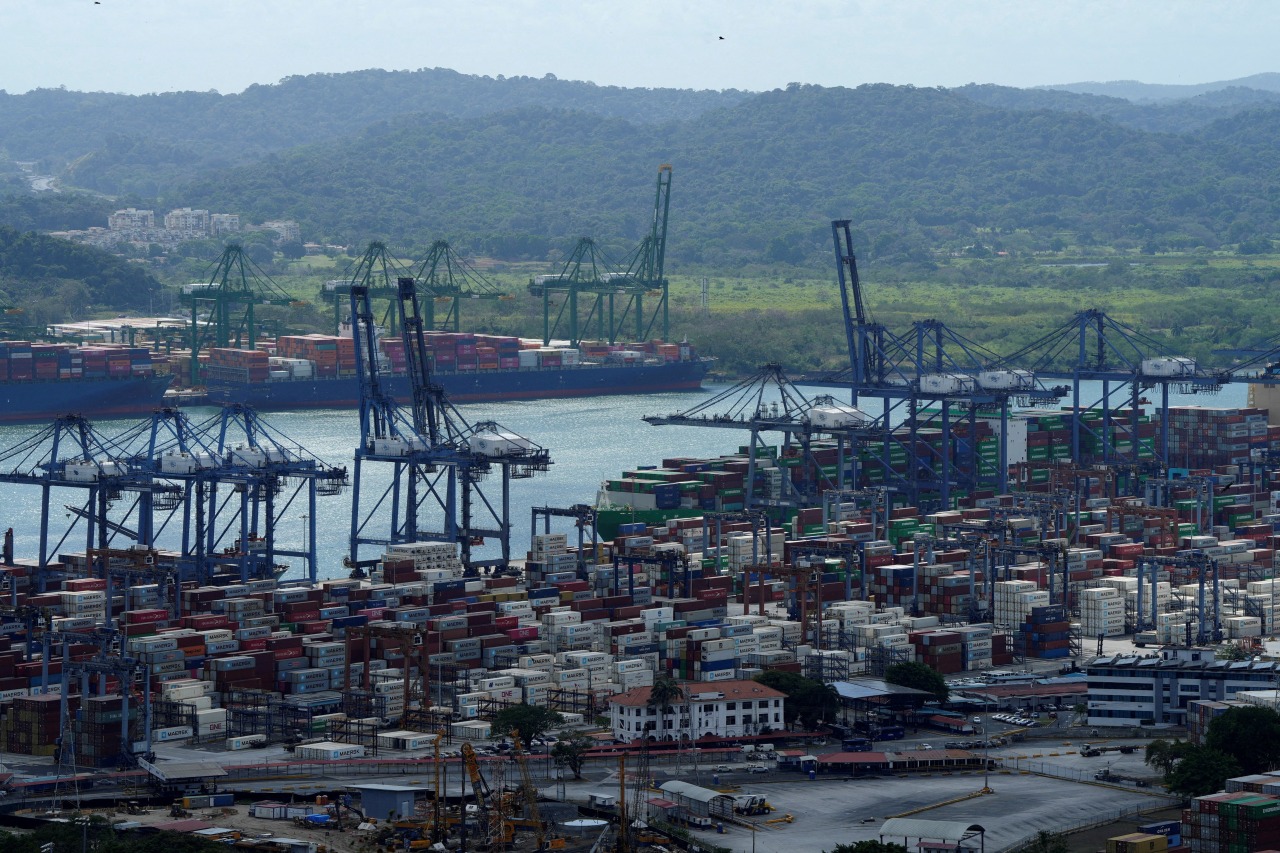
The Panamanian Supreme Court is nearing a decision in a pivotal lawsuit that could revoke a Chinese company’s license to operate key ports along the Panama Canal. The case centers around the operations of Hutchison Whampoa, a major player in global port management, which has held the license since 1999. This decision could have significant implications, potentially aligning with the interests of President Donald Trump and the ongoing geopolitical tensions between the United States and China.
The court’s deliberations come at a critical time, with a ruling anticipated by the end of March 2024. The lawsuit was initiated by the Panamanian government, which argues that the contract with Hutchison is detrimental to national interests. The government claims that the Chinese company’s operations have not adequately benefited the Panamanian economy, raising concerns about sovereignty and control over vital infrastructure.
Implications of the Ruling
A decision to revoke Hutchison’s license could reshape the landscape of port operations in Panama. The ports are crucial for international trade, serving as a gateway between the Atlantic and Pacific Oceans. Approximately 5% of global trade passes through the canal, highlighting its importance to international shipping routes.
If the court rules in favor of the government, it would not only disrupt Hutchison’s operations but could also lead to a reshuffling of port management contracts. This could open the door for U.S. companies to take over operations, which would be viewed as a significant diplomatic victory for the Trump administration, especially in the context of broader efforts to counter Chinese influence in Latin America.
Background of the Dispute
The dispute has sparked significant debate within Panama, with various stakeholders weighing in on the potential impact of the ruling. Proponents of maintaining Hutchison’s operations argue that the company brings much-needed investment and expertise to the region. In contrast, critics contend that the financial benefits have not materialized as promised and that national control over such critical infrastructure should take precedence.
The lawsuit is part of a broader trend in which countries are reassessing foreign investments in strategic sectors. The Panama Canal, given its historical and economic significance, is at the forefront of this movement. The outcome of the Supreme Court’s ruling could set a precedent for how other nations approach similar issues regarding foreign ownership and control of critical infrastructure.
As the court prepares to announce its decision, both local and international observers are closely monitoring the situation. The ruling will not only affect Hutchison’s future in Panama but also signal how Panama navigates its foreign relations, particularly with the United States and China, in the years to come.
The next steps following the court’s decision will be critical for all parties involved. If the court rules against Hutchison, appeals may follow, leading to a prolonged legal battle. Conversely, a ruling in favor of the Chinese company may prompt the Panamanian government to seek other avenues to regain control over its ports.
In sum, the impending ruling by the Panamanian Supreme Court marks a significant juncture in the ongoing discourse about foreign investment, national sovereignty, and the management of one of the world’s most vital trade routes. As the date approaches, the eyes of the world remain fixed on Panama, awaiting a verdict that could reverberate well beyond its borders.

Clippers’ James Harden Declares Team Can ‘Come All the Way Back’

Urgent Advice: Family Drama Erupts Over Past Relationship

Tensions Rise as Denmark and US Clash Over Greenland and More

New Study Questions Dark Matter’s Cold Origins in the Universe

Experience the Journey of Horses at Exclusive VIP Screening

NTSB Links UPS MD-11 Crash to Engine Mount Issues from Boeing

Canaccord Genuity Reaffirms Buy Rating for Corero Network Security

NCT’s Taeyong Faces Backlash After Fan Interaction Online

Four Astronauts Splash Down Early After Medical Emergency

ALMA Discovers Companion Orbiting Giant Red Star π 1 Gruis

Doctoral Candidate Trivanni Yadav Advances Battery Research at UTulsa

NASCAR Faces Fan Backlash as Steve Phelps’ Texts Surface

SEVENTEEN’s Mingyu Faces Backlash Over Alcohol Incident at Concert

New ‘Star Trek: Voyager’ Game Demo Released, Players Test Limits

Global Air Forces Ranked by Annual Defense Budgets in 2025

Mass Production of F-35 Fighter Jet Drives Down Costs

Electrification Challenges Demand Advanced Multiphysics Modeling

Gold Investment Surge: Top Mutual Funds and ETF Alternatives
-
 Science2 months ago
ALMA Discovers Companion Orbiting Giant Red Star π 1 Gruis
-
 Science2 months ago
Doctoral Candidate Trivanni Yadav Advances Battery Research at UTulsa
-
 Sports2 months ago
NASCAR Faces Fan Backlash as Steve Phelps’ Texts Surface
-
 Politics3 months ago
SEVENTEEN’s Mingyu Faces Backlash Over Alcohol Incident at Concert
-
 Top Stories3 months ago
New ‘Star Trek: Voyager’ Game Demo Released, Players Test Limits
-
 World3 months ago
Global Air Forces Ranked by Annual Defense Budgets in 2025
-
 World3 months ago
Mass Production of F-35 Fighter Jet Drives Down Costs
-
 World3 months ago
Electrification Challenges Demand Advanced Multiphysics Modeling
-
 Business3 months ago
Gold Investment Surge: Top Mutual Funds and ETF Alternatives
-

 Science3 months ago
Time Crystals Revolutionize Quantum Computing Potential
-

 Top Stories3 months ago
DirecTV to Launch AI-Driven Ads with User Likenesses in 2026
-

 Science3 months ago
Remembering David E. Brest: A Life Dedicated to Nature and Family