
Health
Researchers Identify Cause of Muscle Pain Linked to Statins

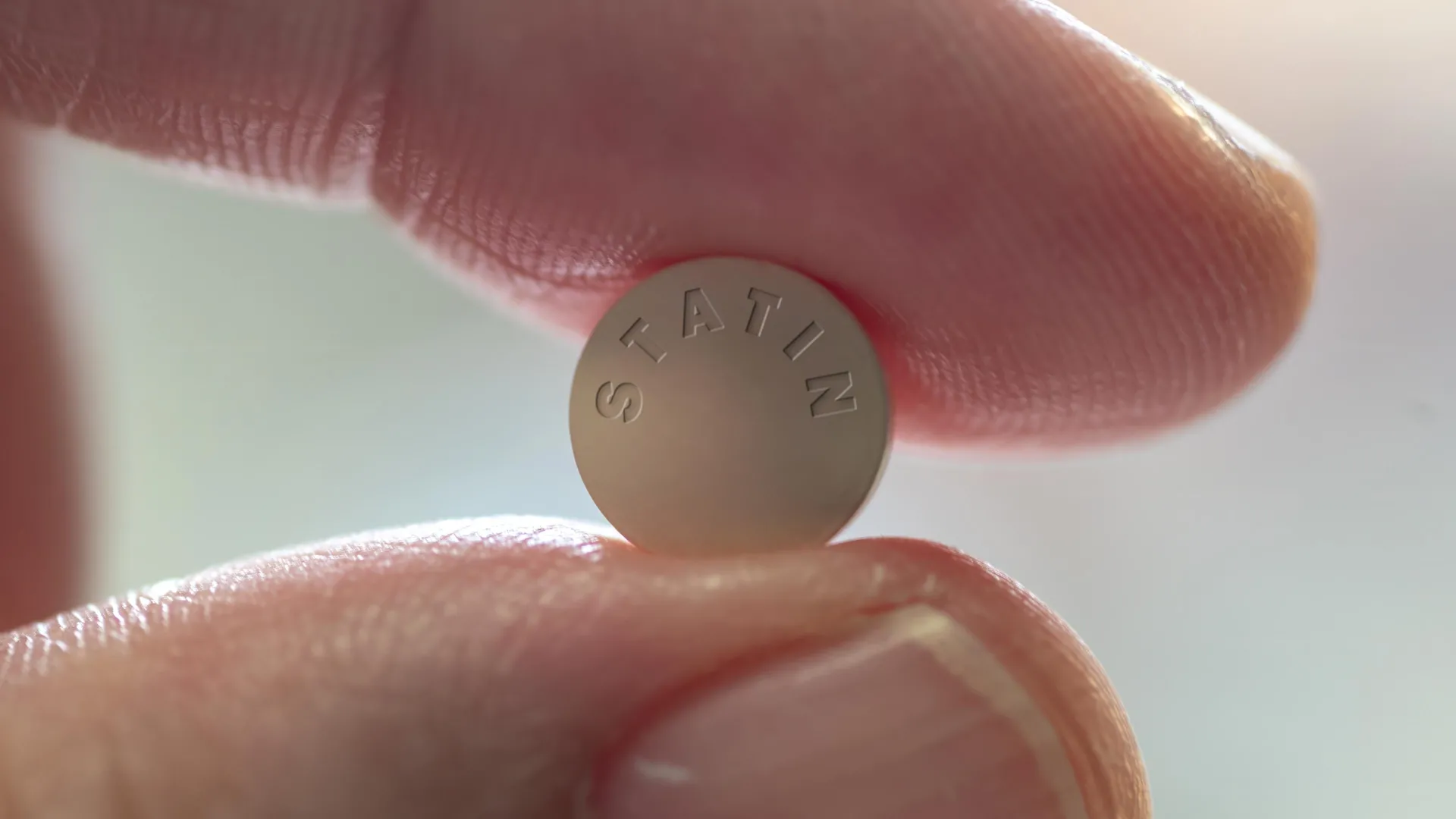
A recent study from the Columbia University Irving Medical Center has uncovered a potential explanation for the muscle pain that many patients experience while taking statins, a widely prescribed class of cholesterol-lowering medications. Researchers found that certain statins, particularly simvastatin, can bind to a key protein in muscle cells, resulting in a detrimental leak of calcium ions. This discovery may shed light on why approximately 10 percent of patients discontinue statin therapy due to muscle-related side effects.
Muscle pain and weakness are among the most common reasons patients stop taking statins, which are prescribed to around 40 million adults in the United States. The findings, published on December 15, 2025, in the Journal of Clinical Investigation, suggest that the calcium leak induced by statin interaction could directly weaken muscle fibers or activate enzymes that gradually deteriorate muscle tissue.
Understanding the Mechanism Behind Statin Side Effects
For decades, scientists have been puzzled by the muscular side effects associated with statins since the drugs were introduced in the late 1980s. While these medications effectively lower cholesterol by inhibiting an enzyme involved in its production, they can also interact with unintended targets in the body. Previous research indicated a potential link between statin use and specific muscle proteins, but the precise mechanisms remained elusive.
Utilizing advanced imaging techniques, specifically cryo-electron microscopy, the team at Columbia was able to visualize how simvastatin interacts with muscle cells. The images revealed that the drug attaches to two distinct sites on the ryanodine receptor, a crucial protein for muscle function. This binding opens a channel within the receptor, allowing calcium to escape into regions of the cell where it is not typically found.
According to Andrew Marks, chair of the Department of Physiology and Cellular Biophysics at the Vagelos College of Physicians and Surgeons, while this mechanism may not apply to every individual experiencing side effects, it could significantly impact a considerable number of patients. “Even if it explains a small subset, that’s a lot of people we could help if we can resolve the issue,” Marks stated.
Potential Solutions and Future Directions
The implications of this research extend beyond understanding the side effects of statins. The findings open the door to developing safer cholesterol-lowering medications. One promising approach involves redesigning statins to retain their cholesterol-lowering properties without binding to the ryanodine receptor in muscle cells. Marks is collaborating with chemists to create these modified statins.
Additionally, the research team has identified a potential method to prevent the calcium leak itself. Experimental drugs developed in Marks’ laboratory could close the calcium leaks observed in animal models. “These drugs are currently being tested in people with rare muscle diseases. If they prove effective in those patients, we can explore their use in statin-induced myopathies,” Marks explained.
The study has garnered support from multiple grants from the National Institutes of Health (NIH), reflecting its significance in addressing a widespread issue in cardiovascular health. As researchers continue to investigate these findings, the hope is to provide solutions that will allow patients to benefit from statins without the burden of painful side effects.
In conclusion, the discovery of how certain statins interact with muscle proteins marks a significant advancement in understanding muscle pain associated with these medications. Ongoing research aims to develop strategies that could help millions of patients manage their cholesterol effectively while minimizing adverse effects.

Robinhood Stock Surges 2.5% in Early Trading on March 17

Israel Intensifies Strikes as Global Energy Crisis Looms

CALV Offers Class on Communication Skills for Real Estate Professionals

Historic Bideford Pub Reopens as The Patch Wine Bar & Kitchen

Oscar Night Celebrations: Winners, Guests, and Exclusive After-Parties

Samsung Galaxy Watch 9 Set for Larger Battery Boost, Report Reveals

Kibble vs. Fresh Dog Food: What’s Best for Your Dog’s Health?

Acclaimed San Francisco Pizzeria Del Popolo to Close in May

‘Invincible’ Season 4 Launches on Prime Video with Epic Action

ALMA Discovers Companion Orbiting Giant Red Star π 1 Gruis

Doctoral Candidate Trivanni Yadav Advances Battery Research at UTulsa

Rev. Bry Shields to Retire as McGill-Toolen President in 2026

Global Air Forces Ranked by Annual Defense Budgets in 2025

Tucson Celebrates Life and Remembrance at 36th Annual All Souls Procession

Mass Production of F-35 Fighter Jet Drives Down Costs

Gold Investment Surge: Top Mutual Funds and ETF Alternatives

DirecTV to Launch AI-Driven Ads with User Likenesses in 2026

Maumee’s Shop With a Hero Event Delivers Joy to Local Children
-
 Science9 months ago
ALMA Discovers Companion Orbiting Giant Red Star π 1 Gruis
-
 Science9 months ago
Doctoral Candidate Trivanni Yadav Advances Battery Research at UTulsa
-
 Lifestyle10 months ago
Rev. Bry Shields to Retire as McGill-Toolen President in 2026
-
 World10 months ago
Global Air Forces Ranked by Annual Defense Budgets in 2025
-
 Lifestyle10 months ago
Tucson Celebrates Life and Remembrance at 36th Annual All Souls Procession
-
 World10 months ago
Mass Production of F-35 Fighter Jet Drives Down Costs
-
 Business10 months ago
Gold Investment Surge: Top Mutual Funds and ETF Alternatives
-
 Top Stories10 months ago
DirecTV to Launch AI-Driven Ads with User Likenesses in 2026
-
 Lifestyle8 months ago
Maumee’s Shop With a Hero Event Delivers Joy to Local Children
-

 Sports8 months ago
Lawrence Launches Winterfest Skating Rink and Hot Chocolate Chalet
-

 Entertainment10 months ago
Paul Giamatti Reveals Villainous Role in Star Trek: Starfleet Academy
-

 Lifestyle8 months ago
Cape May Shines as New Jersey’s Only Entry on Beach Town List