
Science
Nektar Therapeutics Faces Critical Test Amid Share Price Decline

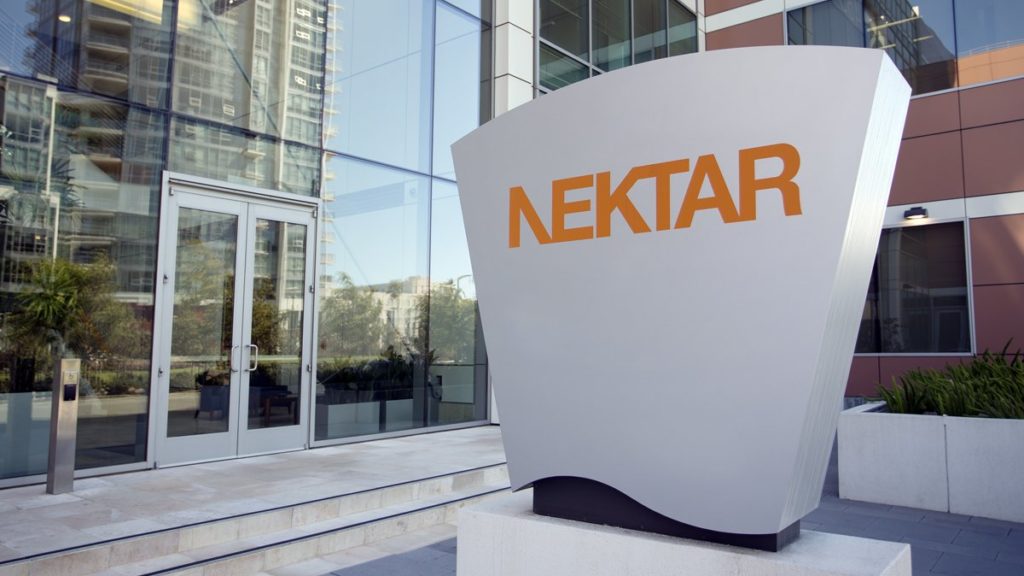
Nektar Therapeutics is on the brink of a pivotal moment as it prepares to release data from its Phase 2 study on the efficacy of a treatment for moderate-to-severe eczema, known medically as atopic dermatitis. With shares plummeting more than 40% since November 2023, investors are watching closely as the company approaches the one-year maintenance results expected this month.
The upcoming data will reveal how well Nektar’s treatment performs against established benchmarks set by competitors. Currently, both Dupixent and Ebglyss maintain approximately 70% of patients in an EASI75 “skin-lesion response” after one year. This response indicates a significant reduction in skin lesions, a crucial measure for patients seeking relief from the debilitating symptoms of atopic dermatitis. To qualify for ongoing maintenance treatments, patients in the study must achieve an EASI75 response following a 16-week induction period.
Market Context and Investor Sentiment
As Nektar prepares for its data release, the market context surrounding the company has shifted markedly. The steep decline in share price reflects growing concern among investors regarding the company’s ability to compete effectively in the atopic dermatitis market. The performance of Nektar’s treatment will be scrutinized, especially in light of the strong efficacy demonstrated by its competitors, which have set a high bar for success.
The stakes are particularly high for Nektar, as the results could significantly influence the company’s future trajectory. Success in this trial may not only restore investor confidence but also position Nektar favorably within the competitive landscape of dermatological therapies. On the other hand, disappointing results could further impact the company’s already weakened stock performance.
The anticipated data release is not just a turning point for Nektar, but also a critical moment for patients suffering from atopic dermatitis, who are seeking effective management options. The outcome could reshape treatment paradigms and provide insights into the future of eczema therapies.
In conclusion, as Nektar Therapeutics approaches this crucial phase in its clinical development, the company faces significant challenges and opportunities. The results from the Phase 2 study will be pivotal, not only for the firm but also for the patients who depend on innovative treatments for atopic dermatitis. Investors and stakeholders alike await the forthcoming data with bated breath, hoping for a positive outcome that could shift the company’s fortunes.

Robinhood Stock Surges 2.5% in Early Trading on March 17

Israel Intensifies Strikes as Global Energy Crisis Looms

CALV Offers Class on Communication Skills for Real Estate Professionals

Historic Bideford Pub Reopens as The Patch Wine Bar & Kitchen

Oscar Night Celebrations: Winners, Guests, and Exclusive After-Parties

Samsung Galaxy Watch 9 Set for Larger Battery Boost, Report Reveals

Kibble vs. Fresh Dog Food: What’s Best for Your Dog’s Health?

Acclaimed San Francisco Pizzeria Del Popolo to Close in May

‘Invincible’ Season 4 Launches on Prime Video with Epic Action

ALMA Discovers Companion Orbiting Giant Red Star π 1 Gruis

Doctoral Candidate Trivanni Yadav Advances Battery Research at UTulsa

Global Air Forces Ranked by Annual Defense Budgets in 2025

Rev. Bry Shields to Retire as McGill-Toolen President in 2026

Mass Production of F-35 Fighter Jet Drives Down Costs

Tucson Celebrates Life and Remembrance at 36th Annual All Souls Procession

Gold Investment Surge: Top Mutual Funds and ETF Alternatives

DirecTV to Launch AI-Driven Ads with User Likenesses in 2026

Paul Giamatti Reveals Villainous Role in Star Trek: Starfleet Academy
-
 Science9 months ago
ALMA Discovers Companion Orbiting Giant Red Star π 1 Gruis
-
 Science8 months ago
Doctoral Candidate Trivanni Yadav Advances Battery Research at UTulsa
-
 World10 months ago
Global Air Forces Ranked by Annual Defense Budgets in 2025
-
 Lifestyle10 months ago
Rev. Bry Shields to Retire as McGill-Toolen President in 2026
-
 World10 months ago
Mass Production of F-35 Fighter Jet Drives Down Costs
-
 Lifestyle9 months ago
Tucson Celebrates Life and Remembrance at 36th Annual All Souls Procession
-
 Business10 months ago
Gold Investment Surge: Top Mutual Funds and ETF Alternatives
-
 Top Stories10 months ago
DirecTV to Launch AI-Driven Ads with User Likenesses in 2026
-
 Entertainment10 months ago
Paul Giamatti Reveals Villainous Role in Star Trek: Starfleet Academy
-

 Lifestyle8 months ago
Maumee’s Shop With a Hero Event Delivers Joy to Local Children
-

 Top Stories10 months ago
New ‘Star Trek: Voyager’ Game Demo Released, Players Test Limits
-

 Lifestyle7 months ago
Cape May Shines as New Jersey’s Only Entry on Beach Town List