
Health
Senate Negotiations Stall on ACA Tax Credit Revitalization

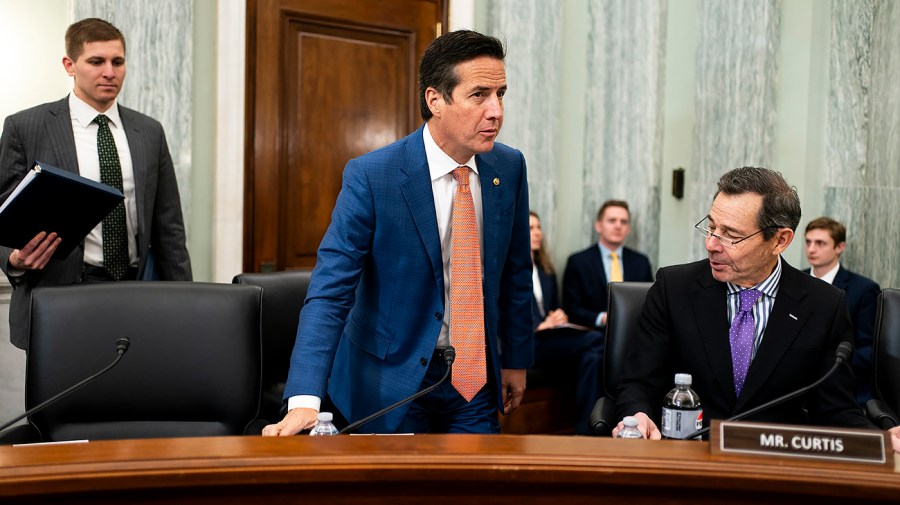
Discussions aimed at reviving enhanced health care subsidies from the Affordable Care Act (ACA) appear to be losing momentum. As of March 12, 2023, negotiations surrounding a proposal led by Senator Bernie Moreno (R-Ohio) have not yielded positive results, with Democrats expressing skepticism about the viability of the offer described by Moreno as the “best and final” proposal from his party.
The enhanced health care subsidies expired at the end of 2022, impacting millions who relied on them for affordable health insurance. Lawmakers had been engaged in talks to reinstate these benefits, which play a critical role in reducing out-of-pocket costs for individuals and families. However, the current state of negotiations reflects a lack of consensus and urgency among members of Congress.
Moreno’s proposal has faced considerable pushback from Democratic senators, who have characterized the offer as insufficient to meet the needs of constituents reliant on the subsidies. With little optimism expressed regarding the likelihood of a compromise, the situation raises concerns about the future of health care coverage for many Americans.
The Affordable Care Act, enacted in 2010, has been a cornerstone of health care reform in the United States. The expiration of these subsidies has the potential to leave a significant gap in coverage, particularly for low- and middle-income individuals. The Senate’s failure to reach an agreement could ultimately lead to increased health care costs and reduced access to necessary services for vulnerable populations.
Despite the stalled negotiations, some lawmakers are advocating for alternative solutions to ensure that health care remains accessible. Discussions continue regarding potential temporary measures that could provide immediate relief to those affected, even as the broader negotiations remain unresolved.
As the Senate grapples with these challenges, the implications of failing to revive the ACA tax credits are profound. Millions could face higher premiums and out-of-pocket expenses, which could deter many from seeking necessary medical care. The urgency to act is mounting, but without bipartisan support, the future of these critical health care subsidies remains uncertain.
In this evolving landscape, both parties must navigate their differences to find common ground. The upcoming weeks will be crucial in determining whether a resolution can be reached that adequately addresses the health care needs of the American public.

Stocks Surge as S&P 500 Rebounds from Volatile Week

Groundbreaking Study Explores Public Scrutiny’s Impact on Sleep

Chicago Mayor’s Immigration Order Faces Fierce Legal Backlash

Retired Astronauts Celebrate Film’s Impact Decades After Release

Trump Deletes Controversial Video Depicting Obamas as Primates

Titan Missile’s Historic Launch: A Cold War Breakthrough on Feb 6, 1959

Massachusetts Mother Files Urgent Lawsuit Against Tesla After Son’s Tragic Death

Wolves Sell Defender Emmanuel Agbadou to Beşiktaş for £17.5 Million

Trump Administration Launches Prescription Drug Discount Portal

ALMA Discovers Companion Orbiting Giant Red Star π 1 Gruis

Doctoral Candidate Trivanni Yadav Advances Battery Research at UTulsa

Global Air Forces Ranked by Annual Defense Budgets in 2025

New ‘Star Trek: Voyager’ Game Demo Released, Players Test Limits

Mass Production of F-35 Fighter Jet Drives Down Costs

NASCAR Faces Fan Backlash as Steve Phelps’ Texts Surface

Gold Investment Surge: Top Mutual Funds and ETF Alternatives

DirecTV to Launch AI-Driven Ads with User Likenesses in 2026

SEVENTEEN’s Mingyu Faces Backlash Over Alcohol Incident at Concert
-
 Science3 months ago
ALMA Discovers Companion Orbiting Giant Red Star π 1 Gruis
-
 Science3 months ago
Doctoral Candidate Trivanni Yadav Advances Battery Research at UTulsa
-
 World4 months ago
Global Air Forces Ranked by Annual Defense Budgets in 2025
-
 Top Stories4 months ago
New ‘Star Trek: Voyager’ Game Demo Released, Players Test Limits
-
 World4 months ago
Mass Production of F-35 Fighter Jet Drives Down Costs
-
 Sports3 months ago
NASCAR Faces Fan Backlash as Steve Phelps’ Texts Surface
-
 Business4 months ago
Gold Investment Surge: Top Mutual Funds and ETF Alternatives
-
 Top Stories4 months ago
DirecTV to Launch AI-Driven Ads with User Likenesses in 2026
-
 Politics4 months ago
SEVENTEEN’s Mingyu Faces Backlash Over Alcohol Incident at Concert
-

 Science4 months ago
Time Crystals Revolutionize Quantum Computing Potential
-

 Entertainment4 months ago
Freeport Art Gallery Transforms Waste into Creative Masterpieces
-

 Science4 months ago
Remembering David E. Brest: A Life Dedicated to Nature and Family