
Science
Stainless Steel Elevates Food Truck Design for Hygiene and Style

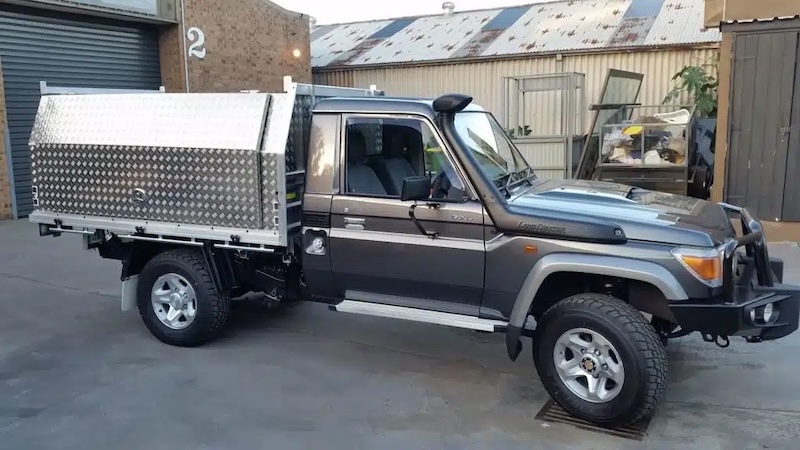
Food truck operators are increasingly turning to stainless steel for their vehicle fitouts, combining hygiene with aesthetic appeal. As the global food industry continues to expand, ensuring food safety and durability remains paramount. Stainless steel has emerged as a preferred material, meeting critical health and safety standards while offering an attractive design.
Benefits of Stainless Steel in Food Truck Design
The unique environment of food trucks demands materials that can withstand constant use. Stainless steel is renowned for its durability and resistance to corrosion, making it ideal for the rigors of a mobile kitchen. According to industry experts, the choice of stainless steel not only enhances safety but also contributes to a polished look that attracts customers.
In addition to being easy to clean, stainless steel helps maintain high hygiene standards, crucial for food preparation areas. Its non-porous surface minimizes the risk of bacterial growth, aligning with stringent health regulations that food businesses must follow. The material’s ability to endure extreme temperatures also ensures that food remains safe throughout the cooking and serving process.
Customization options further enhance the appeal of stainless steel. Operators can choose from various finishes and textures, allowing for distinct branding opportunities. This flexibility enables food truck owners to create a unique identity that resonates with their target audience, which is increasingly important in a competitive market.
Market Trends and Consumer Preferences
As the food truck industry continues to evolve, consumer preferences play a significant role in shaping design decisions. Current market trends indicate a rising demand for visually appealing food trucks, which can significantly influence customer traffic. Stainless steel fits this demand perfectly, providing a modern and sleek appearance that stands out on the streets.
According to recent data from the Food Truck Association, around 60% of food truck operators reported choosing stainless steel due to its combination of functionality and design. This statistic highlights the material’s growing popularity among entrepreneurs in the food service sector.
The ability to customize stainless steel fitouts also aligns with the increasing trend of personalization in consumer experiences. Food truck owners can incorporate unique design elements that reflect their brand’s ethos, enhancing customer engagement and loyalty.
Investing in stainless steel can be financially advantageous as well. While initial costs may be higher than other materials, the longevity and durability of stainless steel mean lower maintenance and replacement expenses in the long term. This factor is crucial for start-ups operating on tight budgets, reinforcing the material’s status as a wise investment.
The integration of stainless steel in food truck design is not just a passing trend; it reflects a broader commitment to quality and safety in the food industry. As health regulations become more stringent globally, food truck operators who prioritize hygiene will likely see a competitive edge.
In summary, the choice of stainless steel for food truck fitouts offers a perfect blend of hygiene and style. This material not only meets essential health and safety standards but also allows for customization, making it a strategic choice for operators looking to thrive in a dynamic market. As the food truck industry continues to grow, those who embrace the advantages of stainless steel will likely lead the way in attracting and retaining customers.

Stocks Surge as S&P 500 Rebounds from Volatile Week

Groundbreaking Study Explores Public Scrutiny’s Impact on Sleep

Chicago Mayor’s Immigration Order Faces Fierce Legal Backlash

Retired Astronauts Celebrate Film’s Impact Decades After Release

Trump Deletes Controversial Video Depicting Obamas as Primates

Titan Missile’s Historic Launch: A Cold War Breakthrough on Feb 6, 1959

Massachusetts Mother Files Urgent Lawsuit Against Tesla After Son’s Tragic Death

Wolves Sell Defender Emmanuel Agbadou to Beşiktaş for £17.5 Million

Trump Administration Launches Prescription Drug Discount Portal

ALMA Discovers Companion Orbiting Giant Red Star π 1 Gruis

Doctoral Candidate Trivanni Yadav Advances Battery Research at UTulsa

Global Air Forces Ranked by Annual Defense Budgets in 2025

New ‘Star Trek: Voyager’ Game Demo Released, Players Test Limits

Mass Production of F-35 Fighter Jet Drives Down Costs

NASCAR Faces Fan Backlash as Steve Phelps’ Texts Surface

Gold Investment Surge: Top Mutual Funds and ETF Alternatives

DirecTV to Launch AI-Driven Ads with User Likenesses in 2026

SEVENTEEN’s Mingyu Faces Backlash Over Alcohol Incident at Concert
-
 Science3 months ago
ALMA Discovers Companion Orbiting Giant Red Star π 1 Gruis
-
 Science3 months ago
Doctoral Candidate Trivanni Yadav Advances Battery Research at UTulsa
-
 World4 months ago
Global Air Forces Ranked by Annual Defense Budgets in 2025
-
 Top Stories4 months ago
New ‘Star Trek: Voyager’ Game Demo Released, Players Test Limits
-
 World4 months ago
Mass Production of F-35 Fighter Jet Drives Down Costs
-
 Sports3 months ago
NASCAR Faces Fan Backlash as Steve Phelps’ Texts Surface
-
 Business4 months ago
Gold Investment Surge: Top Mutual Funds and ETF Alternatives
-
 Top Stories4 months ago
DirecTV to Launch AI-Driven Ads with User Likenesses in 2026
-
 Politics4 months ago
SEVENTEEN’s Mingyu Faces Backlash Over Alcohol Incident at Concert
-
 Science4 months ago
Time Crystals Revolutionize Quantum Computing Potential
-

 Entertainment4 months ago
Freeport Art Gallery Transforms Waste into Creative Masterpieces
-

 Science4 months ago
Remembering David E. Brest: A Life Dedicated to Nature and Family