
World
German Foreign Minister Strengthens Ties in Asia-Pacific Trip

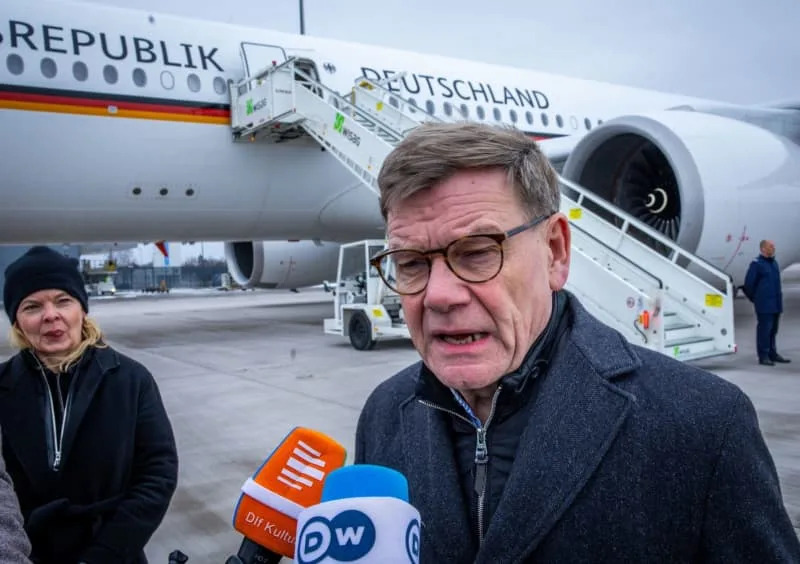
German Foreign Minister Johann Wadephul is embarking on a significant five-day diplomatic journey through South-East Asia and the Pacific, aiming to strengthen Germany’s alliances with key nations such as Australia and New Zealand. This trip, which begins on March 4, 2024, is part of Germany’s strategy to counterbalance the influences of both the United States and China in the region.
Wadephul’s itinerary includes stops in Singapore, New Zealand, Tonga, Australia, and Brunei. During his visit, he intends to foster partnerships that are aligned with Germany’s core interests and commitment to a stable international order. He stated, “We must expand our global network of robust partnerships,” underscoring the importance of collaboration in an increasingly complex geopolitical landscape.
The minister emphasized that the dynamics in regions such as the Taiwan Strait and the South China Sea have significant global repercussions. Although he did not explicitly name China, he acknowledged the need for a united front against aggressive policies that threaten regional stability. Wadephul’s approach reflects Germany’s dedication to multilateralism and international cooperation.
Strengthening Regional Alliances
A key objective of this trip is to enhance Germany’s relations with the Association of Southeast Asian Nations (ASEAN) and the Pacific Island Forum. Established in 1971, these organizations play a vital role in fostering collaboration among nations in the region. During his visit, Wadephul aims to discuss trade, security, and climate initiatives that resonate with the shared interests of these countries.
Brunei currently holds the position of coordinating relations between ASEAN and the European Union. This connection presents a valuable opportunity for Germany to strengthen its ties with both ASEAN member states and the EU. Wadephul is also seeking support for Germany’s bid for a non-permanent seat on the UN Security Council in the upcoming elections next year.
The Indo-Pacific region is viewed by Wadephul as crucial for securing economically important resources and diversifying supply chains. As global demand for strategic raw materials increases, Germany aims to reduce dependencies in critical sectors. The minister noted that partnerships in this area are essential for securing sea lanes, enhancing global supply chains, and driving economic development.
Looking Ahead
Wadephul’s diplomatic mission underscores Germany’s proactive stance in the Asia-Pacific, reflecting the country’s recognition of the region’s importance on the world stage. The outcomes of this trip could shape future collaborations and influence Germany’s role in addressing geopolitical challenges.
Overall, the journey signifies a commitment to fostering international partnerships that prioritize shared values and mutual interests. As Wadephul progresses through his itinerary, the focus will remain on building a resilient network of alliances that support a stable and cooperative international community.

Trump Proposes Name Change for Dulles Airport to Unlock Funds

DBV Technologies Receives “Moderate Buy” Consensus Rating from Analysts

Netflix Launches Highly Rated Crime Thriller ‘Hell or High Water’

Microsoft Launches Dark Mode for SharePoint Admins—Now Available!

Celebrating a Legacy of Peace: The Life of Archbishop Joseph Raya

Trump Reports Positive Talks with Iran in Oman Amid New Sanctions

Woman Left in Shock After Husband Abruptly Abandons Family

Maj. Gen. Timothy Sejba to Address Space Innovation at Florida Tech

Adams Central Girls Shine with 12 Wrestlers in District Semis

ALMA Discovers Companion Orbiting Giant Red Star π 1 Gruis

Doctoral Candidate Trivanni Yadav Advances Battery Research at UTulsa

Global Air Forces Ranked by Annual Defense Budgets in 2025

New ‘Star Trek: Voyager’ Game Demo Released, Players Test Limits

Mass Production of F-35 Fighter Jet Drives Down Costs

NASCAR Faces Fan Backlash as Steve Phelps’ Texts Surface

DirecTV to Launch AI-Driven Ads with User Likenesses in 2026

Gold Investment Surge: Top Mutual Funds and ETF Alternatives

SEVENTEEN’s Mingyu Faces Backlash Over Alcohol Incident at Concert
-
 Science3 months ago
ALMA Discovers Companion Orbiting Giant Red Star π 1 Gruis
-
 Science3 months ago
Doctoral Candidate Trivanni Yadav Advances Battery Research at UTulsa
-
 World4 months ago
Global Air Forces Ranked by Annual Defense Budgets in 2025
-
 Top Stories4 months ago
New ‘Star Trek: Voyager’ Game Demo Released, Players Test Limits
-
 World4 months ago
Mass Production of F-35 Fighter Jet Drives Down Costs
-
 Sports3 months ago
NASCAR Faces Fan Backlash as Steve Phelps’ Texts Surface
-
 Top Stories4 months ago
DirecTV to Launch AI-Driven Ads with User Likenesses in 2026
-
 Business4 months ago
Gold Investment Surge: Top Mutual Funds and ETF Alternatives
-
 Politics4 months ago
SEVENTEEN’s Mingyu Faces Backlash Over Alcohol Incident at Concert
-

 Science4 months ago
Time Crystals Revolutionize Quantum Computing Potential
-

 Entertainment4 months ago
Freeport Art Gallery Transforms Waste into Creative Masterpieces
-

 Science4 months ago
Remembering David E. Brest: A Life Dedicated to Nature and Family