
Health
Senate Rejects Health Proposals, Ending ACA Subsidies Soon

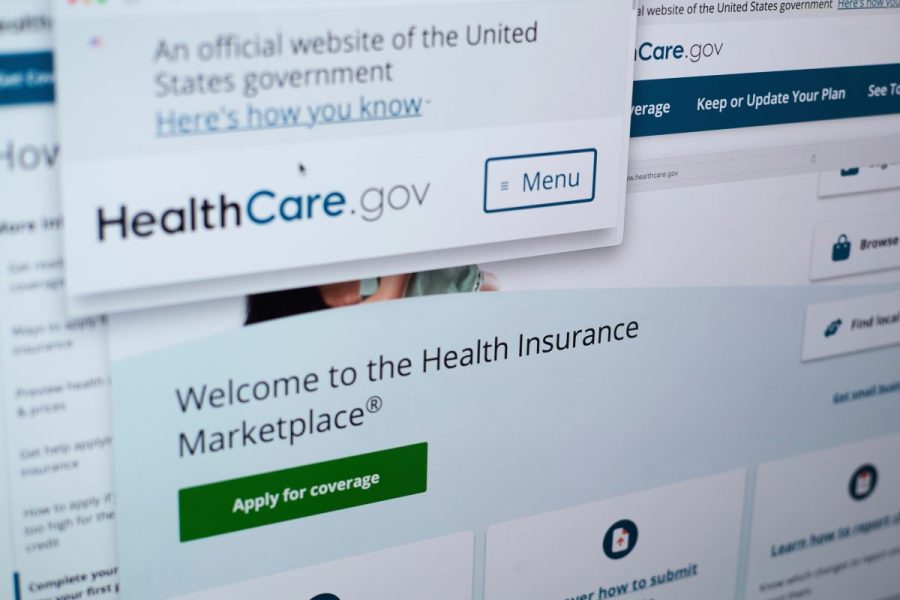
The United States Senate voted against two competing health care proposals, which could have prolonged subsidies under the Affordable Care Act (ACA). With this decision, subsidies are set to expire on March 31, 2024, leading to significant financial implications for millions of Americans. For many, this means premiums for health insurance could more than double, with some individuals facing increases of up to $400 per month.
The ACA, commonly referred to as “Obamacare,” has played a crucial role in providing affordable health coverage to millions since its enactment in 2010. The recent Senate vote has raised concerns among health advocates and lawmakers about the potential impact on American families who rely on these subsidies to access necessary medical care.
Senators debated two proposals aimed at extending the subsidies, which were originally put in place to support individuals during the COVID-19 pandemic. Despite the urgency expressed by several Democratic senators, the proposals failed to garner the necessary support for passage. The vote highlighted the ongoing divisions within Congress regarding health care policy and the future of the ACA.
With the looming end of these subsidies, many Americans are left uncertain about their health care options. According to a report from the Health and Human Services Department, approximately 13 million people could be affected by the subsidy expiration. This could lead to a substantial rise in uninsured rates and increased financial strain on families already facing economic difficulties.
Potential Financial Impact on American Families
The loss of subsidies could drastically alter the landscape of health care affordability in the United States. Families who currently benefit from the ACA may find themselves struggling to pay premiums that could exceed their monthly budgets. This is particularly concerning for low- and middle-income families who have come to rely on these subsidies for essential health services.
The Congressional Budget Office estimates that the average premium for health insurance could increase significantly, affecting those who purchase coverage through the ACA marketplaces. If the subsidies are not extended, many families may have to make difficult decisions about their health care options, potentially foregoing necessary treatments and preventive care.
Health advocates are urging lawmakers to reconsider the implications of the Senate’s decision, emphasizing that access to affordable health care is critical for public health and economic stability. They argue that without the subsidies, millions of Americans could face dire health consequences and increased reliance on emergency services.
Political Reactions and Future Prospects
The Senate’s rejection of the health proposals has sparked a wave of criticism from various political figures. President Joe Biden expressed disappointment over the outcome, highlighting the importance of maintaining health care access for all Americans. He called on Congress to prioritize the extension of subsidies to ensure that families do not lose their coverage.
Despite the setback, discussions surrounding health care reform are expected to continue in the coming weeks. Lawmakers may explore alternative solutions to address the affordability crisis, although the path forward remains uncertain. As the deadline for subsidy expiration approaches, advocates are rallying support to urge Congress to take swift action.
The situation underscores the ongoing challenges within the U.S. health care system, as lawmakers grapple with balancing costs, access, and quality of care. The impact of the Senate’s decision will be felt across the nation, as millions of Americans await clarity on their health care futures.

Robinhood Stock Surges 2.5% in Early Trading on March 17

Israel Intensifies Strikes as Global Energy Crisis Looms

CALV Offers Class on Communication Skills for Real Estate Professionals

Historic Bideford Pub Reopens as The Patch Wine Bar & Kitchen

Oscar Night Celebrations: Winners, Guests, and Exclusive After-Parties

Samsung Galaxy Watch 9 Set for Larger Battery Boost, Report Reveals

Kibble vs. Fresh Dog Food: What’s Best for Your Dog’s Health?

Acclaimed San Francisco Pizzeria Del Popolo to Close in May

‘Invincible’ Season 4 Launches on Prime Video with Epic Action

ALMA Discovers Companion Orbiting Giant Red Star π 1 Gruis

Doctoral Candidate Trivanni Yadav Advances Battery Research at UTulsa

Rev. Bry Shields to Retire as McGill-Toolen President in 2026

Global Air Forces Ranked by Annual Defense Budgets in 2025

Tucson Celebrates Life and Remembrance at 36th Annual All Souls Procession

Mass Production of F-35 Fighter Jet Drives Down Costs

Gold Investment Surge: Top Mutual Funds and ETF Alternatives

Maumee’s Shop With a Hero Event Delivers Joy to Local Children

DirecTV to Launch AI-Driven Ads with User Likenesses in 2026
-
 Science9 months ago
ALMA Discovers Companion Orbiting Giant Red Star π 1 Gruis
-
 Science9 months ago
Doctoral Candidate Trivanni Yadav Advances Battery Research at UTulsa
-
 Lifestyle10 months ago
Rev. Bry Shields to Retire as McGill-Toolen President in 2026
-
 World10 months ago
Global Air Forces Ranked by Annual Defense Budgets in 2025
-
 Lifestyle10 months ago
Tucson Celebrates Life and Remembrance at 36th Annual All Souls Procession
-
 World10 months ago
Mass Production of F-35 Fighter Jet Drives Down Costs
-
 Business10 months ago
Gold Investment Surge: Top Mutual Funds and ETF Alternatives
-
 Lifestyle8 months ago
Maumee’s Shop With a Hero Event Delivers Joy to Local Children
-
 Top Stories10 months ago
DirecTV to Launch AI-Driven Ads with User Likenesses in 2026
-

 Sports8 months ago
Lawrence Launches Winterfest Skating Rink and Hot Chocolate Chalet
-

 Lifestyle8 months ago
Cape May Shines as New Jersey’s Only Entry on Beach Town List
-

 Entertainment10 months ago
Paul Giamatti Reveals Villainous Role in Star Trek: Starfleet Academy