
Science
Nostradamus’ Chilling Predictions for 2026: A Star’s Demise and More

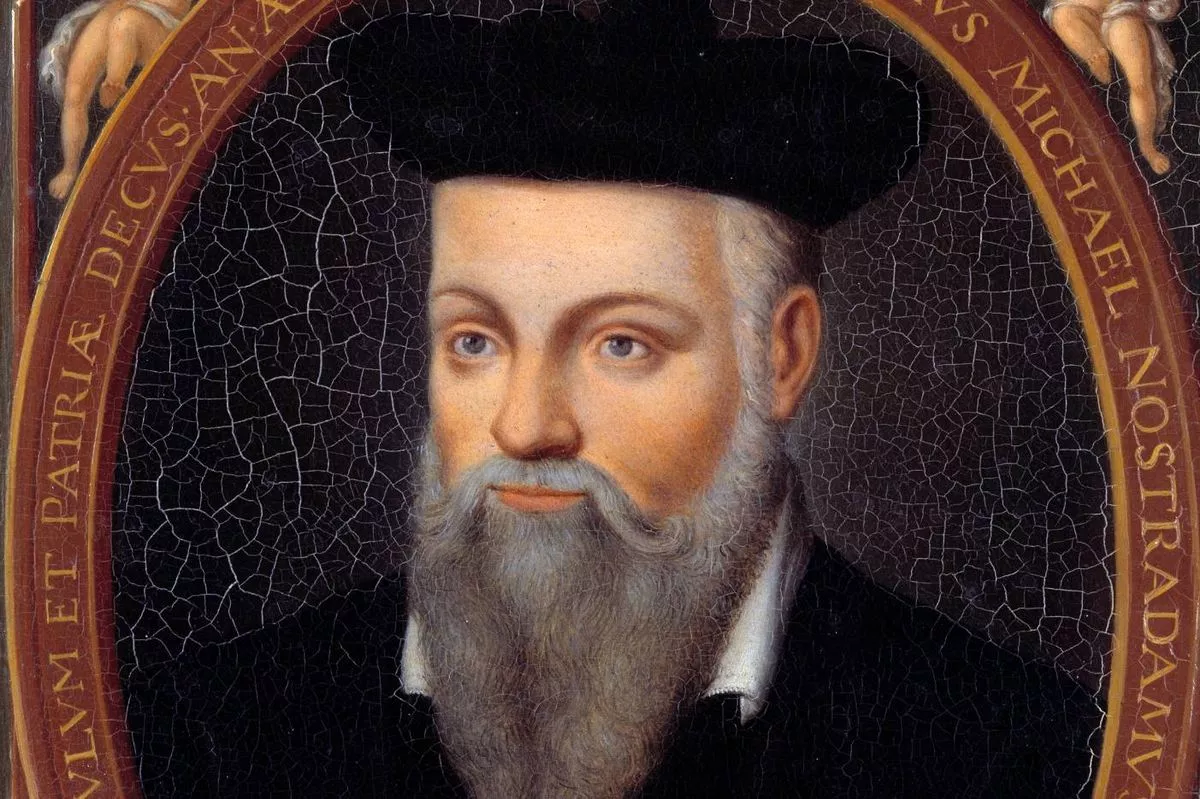
The prophecies of the 16th-century French astrologer Nostradamus continue to capture public fascination, particularly as we near the year 2026. His enigmatic quatrains, published in 1555 in the book titled ‘The Prophecies’, are said to foretell significant global events. Among the predictions, four particularly chilling forecasts have emerged, sparking discussions about their implications in contemporary society.
One notable quatrain suggests a prolonged conflict, with Nostradamus writing: “Seven months great war, people dead through evil/ Rouen, Evreux the King will not fail.” This verse has drawn comparisons to the ongoing conflict between Russia and Ukraine, raising concerns about the potential for further escalation. The specificity of the locations mentioned adds weight to the interpretation, as both Rouen and Evreux are cities in France, historically linked to various conflicts.
Another interpretation of Nostradamus’ work relates to the devastation of war. His line, “Within two cities, there will be scourges the like of which was never seen,” has been posited by some as a prediction of the atomic bombings of Hiroshima and Nagasaki during World War II. Such interpretations demonstrate how Nostradamus’ words can be viewed through the lens of modern history, often with alarming relevance.
Among his more whimsical forecasts is the prediction of a “great swarm of bees” arising from a night ambush, which some speculate might occur next year. Linked to the number 26, the meaning behind this imagery remains elusive. While the concept of bees causing disruption sounds fanciful, it raises intriguing questions about what these symbols could represent in a contemporary context.
In a more dramatic prediction, Nostradamus foretells that “the great man will be struck down in the day by a thunderbolt.” This verse, found in the 26th line of Century I, leaves much to speculation. The “great man” could refer to a prominent figure, possibly a world leader or celebrity, who meets a sudden fate. Whether this involves a literal lightning strike during daylight or serves as a metaphor remains unclear, but it certainly piques interest regarding potential future events.
A particularly grim forecast pertains to Switzerland, where Nostradamus writes: “Because of the favour that the city will show… the Ticino will overflow with blood.” This ominous statement has led to interpretations that suggest the possibility of mass casualties, a plague, or a natural disaster affecting the Italian-speaking region of Ticino. The stark imagery raises concerns about the potential for tragedy in a country known for its serene landscapes.
Skeptics of Nostradamus argue that his writings were intentionally vague, employing a mix of Middle French and ambiguous Latin phrasing. The existence of multiple manuscripts, along with spelling variations and diverse interpretations over the centuries, complicates the understanding of his true intentions. As such, discerning the actual meaning behind these predictions often becomes a challenging endeavor.
Despite the skepticism, the allure of Nostradamus’ predictions endures, especially as 2026 approaches. His cryptic verses continue to inspire debate and speculation, reflecting humanity’s enduring fascination with the future. Whether one views these predictions as prophetic insights or mere coincidences, they undoubtedly provoke thought about the potential trajectory of global events.

Robinhood Stock Surges 2.5% in Early Trading on March 17

Israel Intensifies Strikes as Global Energy Crisis Looms

CALV Offers Class on Communication Skills for Real Estate Professionals

Historic Bideford Pub Reopens as The Patch Wine Bar & Kitchen

Oscar Night Celebrations: Winners, Guests, and Exclusive After-Parties

Samsung Galaxy Watch 9 Set for Larger Battery Boost, Report Reveals

Kibble vs. Fresh Dog Food: What’s Best for Your Dog’s Health?

Acclaimed San Francisco Pizzeria Del Popolo to Close in May

‘Invincible’ Season 4 Launches on Prime Video with Epic Action

ALMA Discovers Companion Orbiting Giant Red Star π 1 Gruis

Doctoral Candidate Trivanni Yadav Advances Battery Research at UTulsa

Global Air Forces Ranked by Annual Defense Budgets in 2025

Rev. Bry Shields to Retire as McGill-Toolen President in 2026

Mass Production of F-35 Fighter Jet Drives Down Costs

Tucson Celebrates Life and Remembrance at 36th Annual All Souls Procession

Gold Investment Surge: Top Mutual Funds and ETF Alternatives

DirecTV to Launch AI-Driven Ads with User Likenesses in 2026

Paul Giamatti Reveals Villainous Role in Star Trek: Starfleet Academy
-
 Science9 months ago
ALMA Discovers Companion Orbiting Giant Red Star π 1 Gruis
-
 Science9 months ago
Doctoral Candidate Trivanni Yadav Advances Battery Research at UTulsa
-
 World10 months ago
Global Air Forces Ranked by Annual Defense Budgets in 2025
-
 Lifestyle10 months ago
Rev. Bry Shields to Retire as McGill-Toolen President in 2026
-
 World10 months ago
Mass Production of F-35 Fighter Jet Drives Down Costs
-
 Lifestyle9 months ago
Tucson Celebrates Life and Remembrance at 36th Annual All Souls Procession
-
 Business10 months ago
Gold Investment Surge: Top Mutual Funds and ETF Alternatives
-
 Top Stories10 months ago
DirecTV to Launch AI-Driven Ads with User Likenesses in 2026
-
 Entertainment10 months ago
Paul Giamatti Reveals Villainous Role in Star Trek: Starfleet Academy
-

 Lifestyle8 months ago
Maumee’s Shop With a Hero Event Delivers Joy to Local Children
-

 Top Stories10 months ago
New ‘Star Trek: Voyager’ Game Demo Released, Players Test Limits
-

 Lifestyle8 months ago
Cape May Shines as New Jersey’s Only Entry on Beach Town List