
Health
Brazilian Plant Shows Promise in Battling Arthritis Inflammation

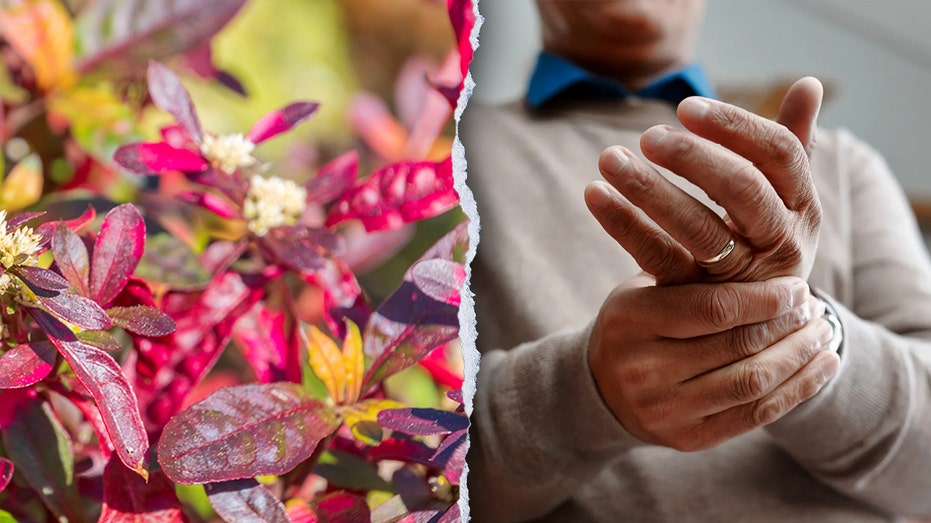
A traditional Brazilian plant known as Joseph’s Coat (Alternanthera littoralis) has demonstrated potential in reducing arthritis-related inflammation, according to a recent study published in the Journal of Ethnopharmacology. Researchers from various Brazilian institutions, including the Federal University of Grande Dourados and the State University of Campinas, conducted laboratory tests revealing that the plant could help alleviate symptoms of arthritis and other inflammatory conditions.
Joseph’s Coat grows naturally along Brazil’s coast and has been utilized by local communities for generations to combat inflammation, infections, and parasites. Despite its traditional use, solid scientific evidence supporting its efficacy and safety has been lacking until now. The research involved preparing an ethanolic extract from the plant’s stems and leaves, allowing scientists to isolate and test its active compounds.
In their experiments, the research team observed that the extract effectively reduced swelling and joint damage in laboratory models of arthritis. “In the experimental models, we observed reduced edema, improved joint parameters, and modulation of inflammatory mediators, suggesting antioxidant and tissue-protective actions,” noted Arielle Cristina Arena, an associate professor at the Institute of Biosciences at UNESP’s Botucatu Campus. The results indicated that animals treated with the extract exhibited less swelling and healthier joint tissue compared to untreated controls.
Research Findings and Safety Profile
The study also investigated the extract’s impact on inflammatory pathways and oxidative stress, which can cause tissue damage during chronic inflammation. Joints exposed to the extract showed fewer signs of degeneration and better overall health than those not treated with it. To ensure safety, the research team conducted toxicology tests. At the doses used, the plant extract did not provoke harmful effects in the laboratory animals, indicating a promising safety profile.
If further studies confirm these findings, Joseph’s Coat could pave the way for new plant-based anti-inflammatory treatments. Modern arthritis medications are effective but often come with side effects that can limit long-term use. The researchers suggest that natural compounds with fewer adverse effects could serve as alternatives or complements in future therapies.
Next Steps for Research
It is important to note that this study was conducted on animals, and the findings cannot be directly applied to human patients with arthritis. Human bodies process compounds differently, and treatments that show promise in laboratory models do not always translate into effective therapies for people. Additionally, the specific compounds within Joseph’s Coat responsible for its anti-inflammatory effects have yet to be identified, making it challenging to standardize dosages or predict long-term outcomes.
The research emphasized the importance of isolating active ingredients and conducting clinical trials in humans to validate the plant’s therapeutic potential. As researchers continue their investigations, the results could significantly impact the future of arthritis treatment, particularly for those seeking natural options with fewer side effects.
This study highlights the intersection of traditional medicine and modern science, showcasing how long-standing practices may contribute to innovative solutions for contemporary health issues.

Robinhood Stock Surges 2.5% in Early Trading on March 17

Israel Intensifies Strikes as Global Energy Crisis Looms

CALV Offers Class on Communication Skills for Real Estate Professionals

Historic Bideford Pub Reopens as The Patch Wine Bar & Kitchen

Oscar Night Celebrations: Winners, Guests, and Exclusive After-Parties

Samsung Galaxy Watch 9 Set for Larger Battery Boost, Report Reveals

Kibble vs. Fresh Dog Food: What’s Best for Your Dog’s Health?

Acclaimed San Francisco Pizzeria Del Popolo to Close in May

‘Invincible’ Season 4 Launches on Prime Video with Epic Action

ALMA Discovers Companion Orbiting Giant Red Star π 1 Gruis

Doctoral Candidate Trivanni Yadav Advances Battery Research at UTulsa

Rev. Bry Shields to Retire as McGill-Toolen President in 2026

Global Air Forces Ranked by Annual Defense Budgets in 2025

Tucson Celebrates Life and Remembrance at 36th Annual All Souls Procession

Mass Production of F-35 Fighter Jet Drives Down Costs

Gold Investment Surge: Top Mutual Funds and ETF Alternatives

Maumee’s Shop With a Hero Event Delivers Joy to Local Children

DirecTV to Launch AI-Driven Ads with User Likenesses in 2026
-
 Science10 months ago
ALMA Discovers Companion Orbiting Giant Red Star π 1 Gruis
-
 Science9 months ago
Doctoral Candidate Trivanni Yadav Advances Battery Research at UTulsa
-
 Lifestyle10 months ago
Rev. Bry Shields to Retire as McGill-Toolen President in 2026
-
 World10 months ago
Global Air Forces Ranked by Annual Defense Budgets in 2025
-
 Lifestyle10 months ago
Tucson Celebrates Life and Remembrance at 36th Annual All Souls Procession
-
 World10 months ago
Mass Production of F-35 Fighter Jet Drives Down Costs
-
 Business10 months ago
Gold Investment Surge: Top Mutual Funds and ETF Alternatives
-
 Lifestyle9 months ago
Maumee’s Shop With a Hero Event Delivers Joy to Local Children
-
 Top Stories10 months ago
DirecTV to Launch AI-Driven Ads with User Likenesses in 2026
-

 Sports8 months ago
Lawrence Launches Winterfest Skating Rink and Hot Chocolate Chalet
-

 Lifestyle8 months ago
Cape May Shines as New Jersey’s Only Entry on Beach Town List
-

 Entertainment10 months ago
Paul Giamatti Reveals Villainous Role in Star Trek: Starfleet Academy