
Science
New Research Reveals ADHD Drugs Target Reward Centers, Not Attention

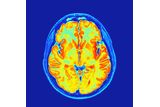
Approximately one in ten children, or 11.4 percent, have been diagnosed with attention deficit hyperactivity disorder (ADHD), according to the CDC. Many of these children rely on prescription medications such as Ritalin and Adderall to manage symptoms like inattentiveness and impulsivity. Traditionally, it has been believed that these stimulants primarily target attention networks in the brain. However, new research published in the journal Cell indicates that these medications may actually affect the brain’s reward and wakefulness centers instead.
Researchers from the Washington University School of Medicine in St. Louis conducted a study using MRI scans from 5,795 children aged 8 to 11 as part of the Adolescent Brain Cognitive Development (ABCD) Study. Among these participants, 337 had taken stimulants on the morning of their MRI, while 76 had prescriptions but did not take their medication that day. The remaining children were neither prescribed stimulants nor had taken them prior to the scan.
The results showed minimal differences in brain regions associated with attention, such as the dorsal attention network and prefrontal cortex. However, significant variations emerged in areas linked to reward and wakefulness. Instead of enhancing focus, the medication appeared to increase arousal levels and motivation, potentially explaining why children can concentrate better on tasks they typically find uninteresting.
“I prescribe a lot of stimulants as a child neurologist, and I’ve always been taught that they facilitate attention systems to give people more voluntary control over what they pay attention to,” said Benjamin Kay, an assistant professor of neurology at the Washington University School of Medicine. “But we’ve shown that’s not the case. The improvements we observe in attention are a secondary effect of a child being more alert and finding a task more rewarding.”
Link Between Sleep and ADHD Medications
A follow-up study involving five adults without ADHD and without a history of taking stimulants corroborated these findings. Brain areas related to reward and wakefulness demonstrated increased activity in response to the medication. The ABCD Study also provided insights into the relationship between sleep and performance in children taking ADHD medication.
Researchers found that two groups benefited from stimulant use: children diagnosed with ADHD and those who received less than the recommended nine hours of sleep per night. Sleep-deprived children who took medication performed better academically than their peers who were also sleep-deprived but did not take medication. In contrast, the stimulant drugs showed no significant effect on neurotypical children who were getting adequate sleep.
While the findings suggest that ADHD medications might help some sleep-deprived children perform better, researchers caution against using these drugs as a substitute for sleep. “Not getting enough sleep is always bad for you, and it’s especially bad for kids,” Kay emphasized. He also encouraged clinicians to take children’s sleep patterns into account when diagnosing ADHD.
This research adds a new dimension to the understanding of ADHD treatments, suggesting that clinicians should consider factors like sleep deprivation that may mimic or exacerbate ADHD symptoms. The implications of these findings could influence how healthcare professionals approach ADHD diagnosis and treatment in the future.

Robinhood Stock Surges 2.5% in Early Trading on March 17

Israel Intensifies Strikes as Global Energy Crisis Looms

CALV Offers Class on Communication Skills for Real Estate Professionals

Historic Bideford Pub Reopens as The Patch Wine Bar & Kitchen

Oscar Night Celebrations: Winners, Guests, and Exclusive After-Parties

Samsung Galaxy Watch 9 Set for Larger Battery Boost, Report Reveals

Kibble vs. Fresh Dog Food: What’s Best for Your Dog’s Health?

Acclaimed San Francisco Pizzeria Del Popolo to Close in May

‘Invincible’ Season 4 Launches on Prime Video with Epic Action

ALMA Discovers Companion Orbiting Giant Red Star π 1 Gruis

Doctoral Candidate Trivanni Yadav Advances Battery Research at UTulsa

Global Air Forces Ranked by Annual Defense Budgets in 2025

Rev. Bry Shields to Retire as McGill-Toolen President in 2026

Mass Production of F-35 Fighter Jet Drives Down Costs

Tucson Celebrates Life and Remembrance at 36th Annual All Souls Procession

Gold Investment Surge: Top Mutual Funds and ETF Alternatives

DirecTV to Launch AI-Driven Ads with User Likenesses in 2026

Paul Giamatti Reveals Villainous Role in Star Trek: Starfleet Academy
-
 Science9 months ago
ALMA Discovers Companion Orbiting Giant Red Star π 1 Gruis
-
 Science8 months ago
Doctoral Candidate Trivanni Yadav Advances Battery Research at UTulsa
-
 World10 months ago
Global Air Forces Ranked by Annual Defense Budgets in 2025
-
 Lifestyle10 months ago
Rev. Bry Shields to Retire as McGill-Toolen President in 2026
-
 World10 months ago
Mass Production of F-35 Fighter Jet Drives Down Costs
-
 Lifestyle9 months ago
Tucson Celebrates Life and Remembrance at 36th Annual All Souls Procession
-
 Business10 months ago
Gold Investment Surge: Top Mutual Funds and ETF Alternatives
-
 Top Stories10 months ago
DirecTV to Launch AI-Driven Ads with User Likenesses in 2026
-
 Entertainment10 months ago
Paul Giamatti Reveals Villainous Role in Star Trek: Starfleet Academy
-

 Top Stories10 months ago
New ‘Star Trek: Voyager’ Game Demo Released, Players Test Limits
-

 Lifestyle8 months ago
Maumee’s Shop With a Hero Event Delivers Joy to Local Children
-

 Lifestyle8 months ago
Cape May Shines as New Jersey’s Only Entry on Beach Town List