
Science
January Unleashed: Trump’s Power Plays and Their Fallout

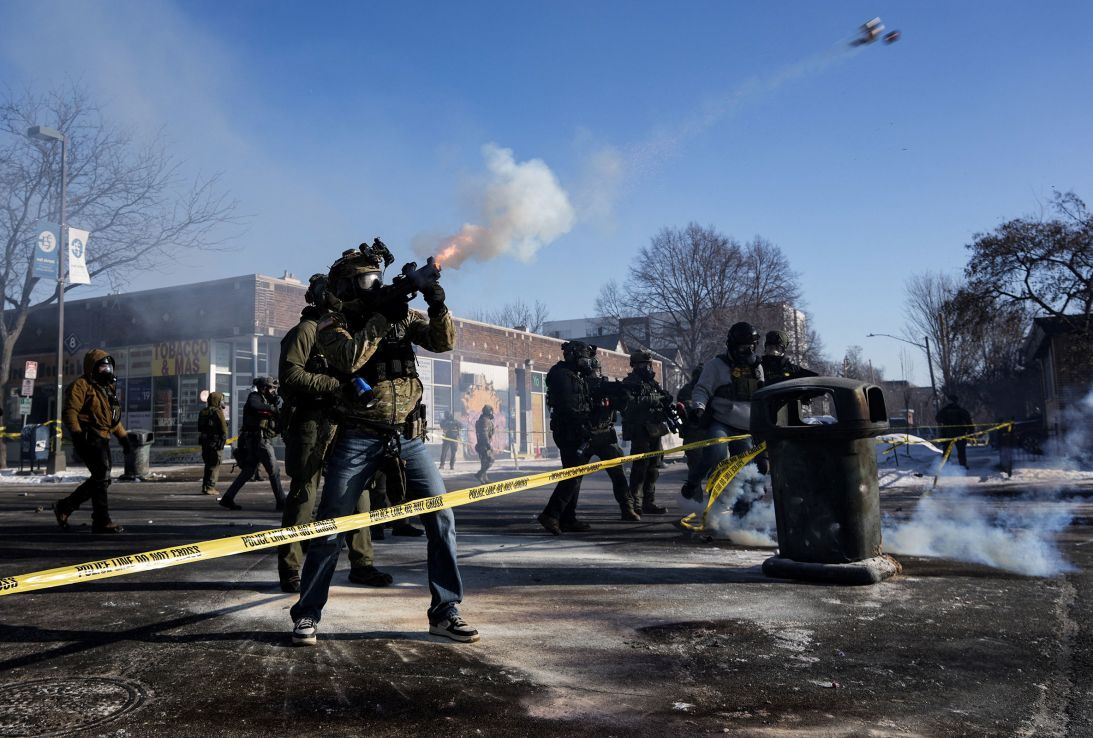
January 2024 proved to be a tumultuous month for President Donald Trump, marked by bold actions both domestically and internationally. The month began with Trump striving to redefine his presidency after a tumultuous Christmas address, attempting to shift the narrative from a perceived lame duck status to an image of strength and control. His administration pursued aggressive immigration policies, leading to significant consequences and stirring public outcry.
In a striking demonstration of American military power, Trump’s administration executed a bold operation that captured Venezuelan leader Nicolás Maduro on January 3. This special forces raid, characterized as a necessary step by Secretary of State Marco Rubio, was presented as a triumph of US strength, although it raised questions about the ethical implications of such actions. As Maduro remains detained in New York, critics express concern over the administration’s approach, suggesting it risks descending into a form of American gangsterism.
The month was not without its tragedies, as two American citizens were killed amid heightened tensions surrounding Trump’s immigration policies. In Minnesota, Renee Good was fatally shot during a confrontation with masked federal agents, an event that underscored the dangers of the administration’s aggressive stance. Just weeks later, ICU nurse Alex Pretti was also killed while intervening in a similar incident. These fatalities prompted widespread condemnation and sparked discussions about the morality of the government’s tactics, with many viewing Good and Pretti as martyrs in the ongoing immigration debate.
The emotional impact of these events extended to young children caught in the crossfire of political decisions. The case of Liam Conejo Ramos, a five-year-old detained with his father in a suburb of Minneapolis, highlighted the human cost of policy enforcement. Reports indicate that Liam is struggling with depression while awaiting his fate in a Texas detention facility, raising critical questions about the treatment of children in the immigration system.
In response to growing dissatisfaction, Trump’s immigration czar, Tom Homan, hinted at a potential de-escalation of federal forces in Minnesota, provided local authorities cooperate. This change of tone reflects a shift in public sentiment, with a recent Fox News poll indicating that even some Republicans view ICE’s tactics as excessive. As immigration evolves from a political strength to a vulnerability for Trump, the administration faces increasing pressure to adopt a more humane approach.
The political landscape in January was further complicated by remarks from local officials. Minnesota Governor Tim Walz drew sharp criticism for comparing the treatment of children to the experiences of Anne Frank, while questioning whether the current situation was akin to Fort Sumter, the site of the first shots of the American Civil War. Such comparisons highlight the volatility of the current political environment and the intense emotions surrounding Trump’s presidency.
Internationally, Trump’s ambitions appeared equally fraught. His assertion that he would disregard international law, stating that his only limits were his “morality,” raised eyebrows among allies and critics alike. The successful operation against Maduro was a clear indication of his willingness to push boundaries, but concerns linger about the potential for imperialistic overreach.
As protests erupted in Iran, resulting in tragic loss of life, Trump’s renewed threats against the regime signaled a potentially dangerous escalation. The presence of a US aircraft carrier group in the region further amplified fears of conflict, emphasizing the precarious nature of global relations under Trump’s leadership.
Trump’s attempts to assert dominance extended to Europe, most notably during the World Economic Forum in Davos, where he controversially demanded that Denmark cede ownership of Greenland. His remarks, perceived as reckless by some, threatened to unravel longstanding alliances and raised doubts about the United States’ reliability as a partner on the world stage.
In light of these developments, Canadian Prime Minister Mark Carney articulated the need for middle powers to unite in response to the unpredictability of US foreign policy. His assertion that “if we’re not at the table, we’re on the menu” resonates with many who are trying to navigate the complexities of a world shaped by Trump’s leadership.
January 2024 will be remembered as a month of stark contrasts for Trump—a time when displays of power were met with significant backlash both at home and abroad. As the administration races against the clock of a second term, the unfolding consequences of its actions raise critical questions about the future of American power and its role in global affairs. The events of this month will likely reverberate far beyond the political landscape, challenging the very fabric of American democracy and its standing in the world.

Robinhood Stock Surges 2.5% in Early Trading on March 17

Israel Intensifies Strikes as Global Energy Crisis Looms

CALV Offers Class on Communication Skills for Real Estate Professionals

Historic Bideford Pub Reopens as The Patch Wine Bar & Kitchen

Oscar Night Celebrations: Winners, Guests, and Exclusive After-Parties

Samsung Galaxy Watch 9 Set for Larger Battery Boost, Report Reveals

Kibble vs. Fresh Dog Food: What’s Best for Your Dog’s Health?

Acclaimed San Francisco Pizzeria Del Popolo to Close in May

‘Invincible’ Season 4 Launches on Prime Video with Epic Action

ALMA Discovers Companion Orbiting Giant Red Star π 1 Gruis

Doctoral Candidate Trivanni Yadav Advances Battery Research at UTulsa

Global Air Forces Ranked by Annual Defense Budgets in 2025

Rev. Bry Shields to Retire as McGill-Toolen President in 2026

Mass Production of F-35 Fighter Jet Drives Down Costs

Tucson Celebrates Life and Remembrance at 36th Annual All Souls Procession

Gold Investment Surge: Top Mutual Funds and ETF Alternatives

DirecTV to Launch AI-Driven Ads with User Likenesses in 2026

Paul Giamatti Reveals Villainous Role in Star Trek: Starfleet Academy
-
 Science9 months ago
ALMA Discovers Companion Orbiting Giant Red Star π 1 Gruis
-
 Science8 months ago
Doctoral Candidate Trivanni Yadav Advances Battery Research at UTulsa
-
 World10 months ago
Global Air Forces Ranked by Annual Defense Budgets in 2025
-
 Lifestyle10 months ago
Rev. Bry Shields to Retire as McGill-Toolen President in 2026
-
 World10 months ago
Mass Production of F-35 Fighter Jet Drives Down Costs
-
 Lifestyle9 months ago
Tucson Celebrates Life and Remembrance at 36th Annual All Souls Procession
-
 Business10 months ago
Gold Investment Surge: Top Mutual Funds and ETF Alternatives
-
 Top Stories10 months ago
DirecTV to Launch AI-Driven Ads with User Likenesses in 2026
-
 Entertainment10 months ago
Paul Giamatti Reveals Villainous Role in Star Trek: Starfleet Academy
-

 Lifestyle8 months ago
Maumee’s Shop With a Hero Event Delivers Joy to Local Children
-

 Top Stories10 months ago
New ‘Star Trek: Voyager’ Game Demo Released, Players Test Limits
-

 Lifestyle7 months ago
Cape May Shines as New Jersey’s Only Entry on Beach Town List