
Health
Research Reveals How Immune Cells Combat Hidden Brain Parasite

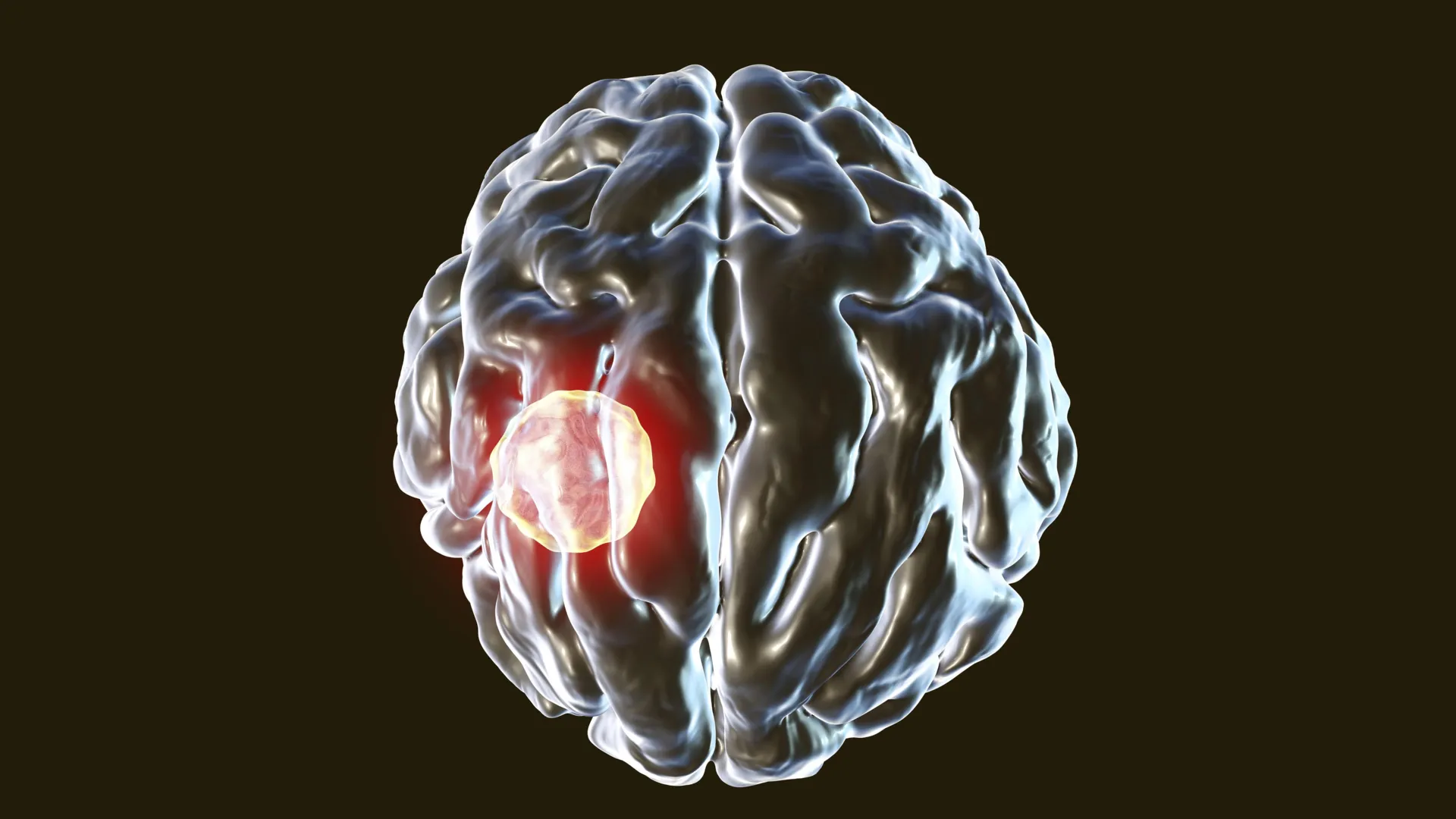
A significant breakthrough in understanding how the human body controls a common brain parasite has emerged from the University of Virginia Health System. Research indicates that approximately one in three people carry the parasite Toxoplasma gondii, which can infect immune cells and pose health risks. However, the study reveals that the immune system has a mechanism to counteract the infection effectively.
Toxoplasma gondii primarily spreads through contact with cats, consumption of contaminated food, or undercooked meat. Once inside the body, it can migrate to various organs, including the brain, where it can reside for life. While a substantial portion of the global population is thought to be infected, most individuals remain asymptomatic. When symptoms do occur, they are most severe in those with compromised immune systems.
Researchers, led by Tajie Harris, PhD, sought to uncover how the immune system responds when Toxoplasma invades CD8+ T cells, which play a crucial role in destroying infected cells. Harris, the director of the Center for Brain Immunology and Glia at the University of Virginia School of Medicine, explained, “We found that these very T cells can get infected, and, if they do, they can opt to die. Toxoplasma parasites need to live inside cells, so the host cell dying is game over for the parasite.”
Immune Response and Self-Destruction Mechanism
Harris and her team identified that CD8+ T cells utilize an enzyme known as caspase-8 to manage T. gondii infections. Caspase-8 is integral to regulating immune responses and can trigger programmed cell death, a process vital for eliminating the parasite.
In laboratory experiments, mice lacking caspase-8 in their T cells exhibited significantly higher levels of T. gondii in their brains compared to those with functioning caspase-8. Despite both groups producing strong immune responses, the outcomes were markedly different. Mice with caspase-8 remained healthy, while those without it suffered severe illness and ultimately died. Analysis of their brain tissue revealed that CD8+ T cells were more frequently infected by the parasite in the absence of caspase-8.
The findings highlight the enzyme’s essential role in controlling T. gondii within immune cells. Harris noted the limited examples of pathogens that infect T cells, stating, “Caspase-8 leads to T cell death. The only pathogens that can live in CD8+ T cells have developed ways to mess with caspase-8 function.”
Research Significance and Funding
Published in the journal Science Advances, this study involved a collaborative team including researchers Lydia A. Sibley, Maureen N. Cowan, and Abigail G. Kelly, among others. There were no reported financial conflicts of interest linked to the research. Funding was provided by the National Institutes of Health through several grants, as well as awards from the University of Virginia.
Understanding the intricacies of how the immune system combats Toxoplasma gondii is crucial, particularly for individuals with weakened immune systems. The insights gained from this research can potentially inform new strategies to aid those at risk of severe infections, fostering advancements in treatments and preventive measures for this common parasite.

Robinhood Stock Surges 2.5% in Early Trading on March 17

Israel Intensifies Strikes as Global Energy Crisis Looms

CALV Offers Class on Communication Skills for Real Estate Professionals

Historic Bideford Pub Reopens as The Patch Wine Bar & Kitchen

Oscar Night Celebrations: Winners, Guests, and Exclusive After-Parties

Samsung Galaxy Watch 9 Set for Larger Battery Boost, Report Reveals

Kibble vs. Fresh Dog Food: What’s Best for Your Dog’s Health?

Acclaimed San Francisco Pizzeria Del Popolo to Close in May

‘Invincible’ Season 4 Launches on Prime Video with Epic Action

ALMA Discovers Companion Orbiting Giant Red Star π 1 Gruis

Doctoral Candidate Trivanni Yadav Advances Battery Research at UTulsa

Rev. Bry Shields to Retire as McGill-Toolen President in 2026

Global Air Forces Ranked by Annual Defense Budgets in 2025

Tucson Celebrates Life and Remembrance at 36th Annual All Souls Procession

Mass Production of F-35 Fighter Jet Drives Down Costs

Gold Investment Surge: Top Mutual Funds and ETF Alternatives

Maumee’s Shop With a Hero Event Delivers Joy to Local Children

DirecTV to Launch AI-Driven Ads with User Likenesses in 2026
-
 Science9 months ago
ALMA Discovers Companion Orbiting Giant Red Star π 1 Gruis
-
 Science9 months ago
Doctoral Candidate Trivanni Yadav Advances Battery Research at UTulsa
-
 Lifestyle10 months ago
Rev. Bry Shields to Retire as McGill-Toolen President in 2026
-
 World10 months ago
Global Air Forces Ranked by Annual Defense Budgets in 2025
-
 Lifestyle9 months ago
Tucson Celebrates Life and Remembrance at 36th Annual All Souls Procession
-
 World10 months ago
Mass Production of F-35 Fighter Jet Drives Down Costs
-
 Business10 months ago
Gold Investment Surge: Top Mutual Funds and ETF Alternatives
-
 Lifestyle8 months ago
Maumee’s Shop With a Hero Event Delivers Joy to Local Children
-
 Top Stories10 months ago
DirecTV to Launch AI-Driven Ads with User Likenesses in 2026
-

 Lifestyle8 months ago
Cape May Shines as New Jersey’s Only Entry on Beach Town List
-

 Sports8 months ago
Lawrence Launches Winterfest Skating Rink and Hot Chocolate Chalet
-

 Entertainment10 months ago
Paul Giamatti Reveals Villainous Role in Star Trek: Starfleet Academy