
Health
Adjusting to Daylight Saving Time: Health Impacts and Tips

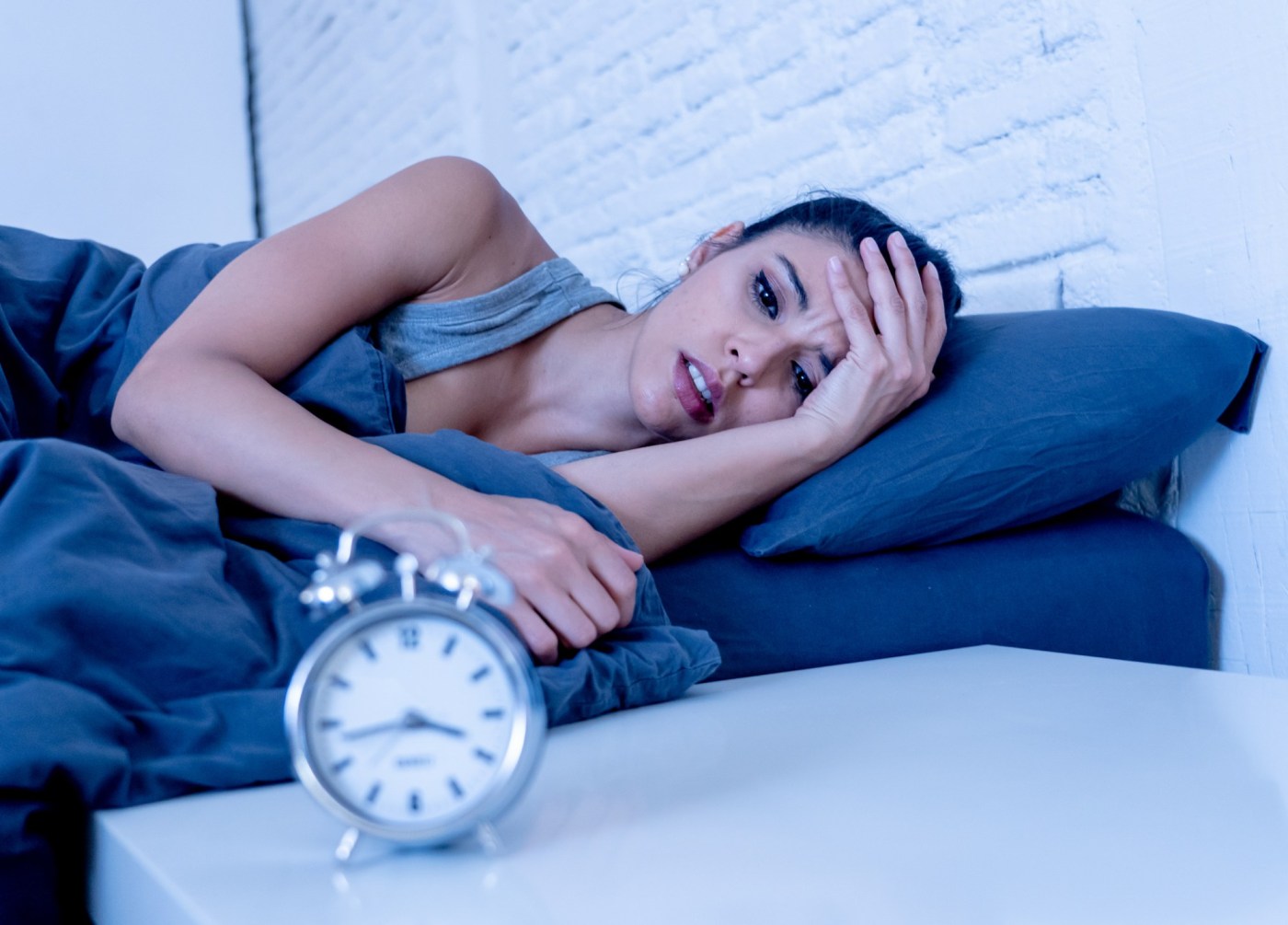
The start of Daylight Saving Time on March 10, 2024, will prompt many individuals to lose an hour of sleep. This biannual clock adjustment not only disrupts sleep patterns but can also lead to significant health consequences. As the clock springs forward, people often face a cascade of groggy mornings, missed alarms, and increased health risks.
March is also recognized as National Sleep Awareness Month, a timely reminder of the critical role sleep plays in overall health. The average adult requires between seven to nine hours of sleep each night, but according to the Centers for Disease Control and Prevention (CDC), one in three American adults consistently fails to meet this requirement. The transition to Daylight Saving Time exacerbates this issue, with immediate effects on sleep and health outcomes.
Understanding the Health Risks
Research indicates that the shift to Daylight Saving Time can lead to a notable spike in health incidents. One study revealed a 24% increase in heart attacks within days following the time change. Other studies have linked this period to rises in traffic accidents, workplace injuries, and emergency room visits for strokes. These statistics highlight the profound impact that disrupted sleep can have on public health.
The underlying reason for these health risks lies in the human body’s circadian rhythm, a finely-tuned internal clock that regulates sleep-wake cycles, hormone release, immune function, and more. When the clock changes suddenly, it can mimic the effects of jet lag, leading to confusion in hormone levels such as melatonin and cortisol. For most healthy adults, it typically takes five to seven days to fully adjust, but older adults and those with existing health conditions may face longer recovery times.
Strategies for a Smooth Transition
To mitigate the adverse effects of this time change, experts recommend several proactive strategies. Here are key tips for easing the transition:
– **Gradual Adjustment**: Begin shifting your bedtime earlier by 15 to 20 minutes starting now. Doing this on both Saturday and Sunday nights can help your body adapt more smoothly to the hour change.
– **Morning Light Exposure**: Natural light is vital for regulating your circadian rhythm. Aim to spend time outside shortly after waking up, even if only for 10 minutes. This exposure can significantly enhance alertness and help recalibrate your internal clock.
– **Limit Screen Time**: Reduce exposure to screens at least 30 to 60 minutes before bedtime. The blue light emitted by devices can hinder melatonin production, further complicating sleep.
– **Avoid Alcohol**: Although alcohol may help some individuals fall asleep, it can disrupt sleep quality and hinder restorative REM sleep. For optimal sleep, it is best to avoid alcoholic beverages on the night of the time change.
– **Cautious Driving**: The Monday following Daylight Saving Time is often one of the most dangerous days for road travel. If possible, postpone long trips and remain vigilant about drowsiness while driving.
As National Sleep Awareness Month unfolds, it is crucial to recognize the importance of quality sleep. Chronic sleep deprivation has far-reaching consequences, including links to obesity, Type 2 diabetes, depression, cardiovascular disease, and cognitive decline.
In our fast-paced culture, where busyness is often glorified, it’s essential to prioritize rest as a fundamental component of health rather than a luxury. Sleep is the time for cellular repair, memory consolidation, and immune system strengthening.
As you adjust your clocks this Sunday, consider the broader implications of sleep on your health. Protect your sleep environment, embrace morning light, and remember that the hour lost this weekend is worth recovering, as good sleep may be the most valuable investment you make in your health this month.

Robinhood Stock Surges 2.5% in Early Trading on March 17

Israel Intensifies Strikes as Global Energy Crisis Looms

CALV Offers Class on Communication Skills for Real Estate Professionals

Historic Bideford Pub Reopens as The Patch Wine Bar & Kitchen

Oscar Night Celebrations: Winners, Guests, and Exclusive After-Parties

Samsung Galaxy Watch 9 Set for Larger Battery Boost, Report Reveals

Kibble vs. Fresh Dog Food: What’s Best for Your Dog’s Health?

Acclaimed San Francisco Pizzeria Del Popolo to Close in May

‘Invincible’ Season 4 Launches on Prime Video with Epic Action

ALMA Discovers Companion Orbiting Giant Red Star π 1 Gruis

Doctoral Candidate Trivanni Yadav Advances Battery Research at UTulsa

Rev. Bry Shields to Retire as McGill-Toolen President in 2026

Global Air Forces Ranked by Annual Defense Budgets in 2025

Tucson Celebrates Life and Remembrance at 36th Annual All Souls Procession

Mass Production of F-35 Fighter Jet Drives Down Costs

Gold Investment Surge: Top Mutual Funds and ETF Alternatives

DirecTV to Launch AI-Driven Ads with User Likenesses in 2026

Maumee’s Shop With a Hero Event Delivers Joy to Local Children
-
 Science9 months ago
ALMA Discovers Companion Orbiting Giant Red Star π 1 Gruis
-
 Science9 months ago
Doctoral Candidate Trivanni Yadav Advances Battery Research at UTulsa
-
 Lifestyle10 months ago
Rev. Bry Shields to Retire as McGill-Toolen President in 2026
-
 World10 months ago
Global Air Forces Ranked by Annual Defense Budgets in 2025
-
 Lifestyle9 months ago
Tucson Celebrates Life and Remembrance at 36th Annual All Souls Procession
-
 World10 months ago
Mass Production of F-35 Fighter Jet Drives Down Costs
-
 Business10 months ago
Gold Investment Surge: Top Mutual Funds and ETF Alternatives
-
 Top Stories10 months ago
DirecTV to Launch AI-Driven Ads with User Likenesses in 2026
-
 Lifestyle8 months ago
Maumee’s Shop With a Hero Event Delivers Joy to Local Children
-

 Lifestyle8 months ago
Cape May Shines as New Jersey’s Only Entry on Beach Town List
-

 Sports8 months ago
Lawrence Launches Winterfest Skating Rink and Hot Chocolate Chalet
-

 Entertainment10 months ago
Paul Giamatti Reveals Villainous Role in Star Trek: Starfleet Academy