
Health
Alarm Raised as Only 1 in 10 Children Play Outside Weekly

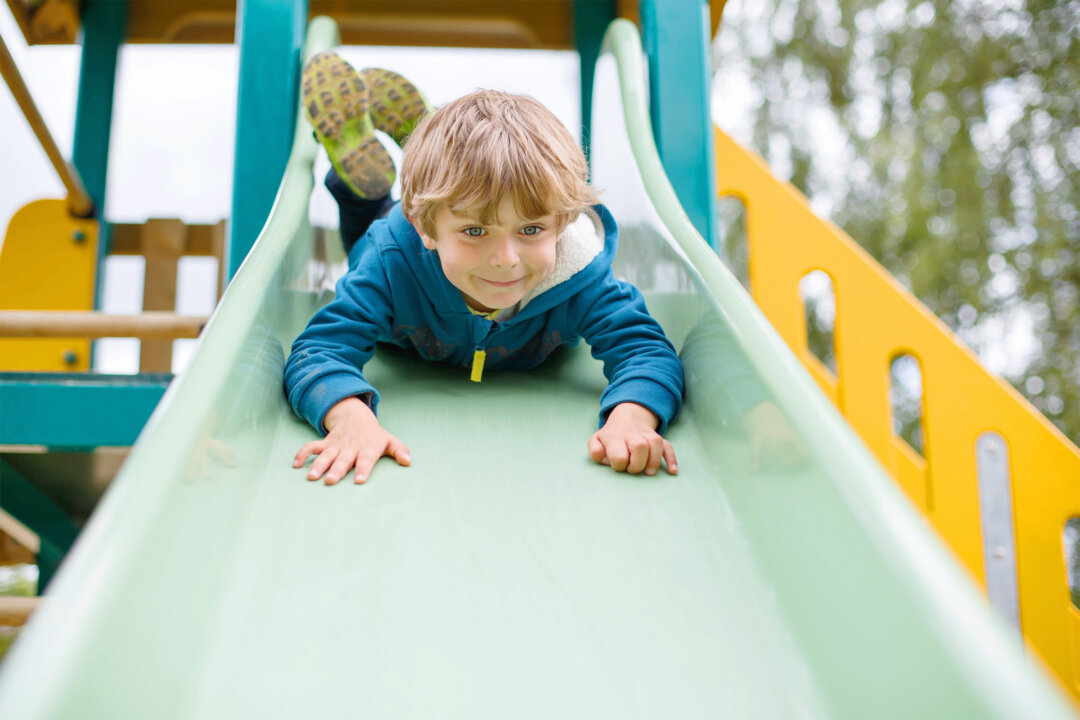
Recent findings from the CS Mott Children’s Hospital National Poll on Children’s Health reveal a concerning trend: only 1 in 10 American children play outside at least once a week. This marks a significant shift from previous generations, raising alarms about the implications for children’s health and development.
The decline in outdoor playtime has coincided with troubling statistics regarding children’s well-being. Reports indicate rising rates of obesity, anxiety, and depression among young people across the United States. These issues are often attributed to a lifestyle increasingly dominated by indoor activities, particularly screen time.
Importance of Outdoor Play
Outdoor play is not merely an enjoyable pastime; it is crucial for healthy physical, emotional, and cognitive development. Engaging with nature allows children to develop stronger bones, improve fitness, and enhance social skills. The benefits of outdoor activities extend beyond physical health, contributing significantly to mental well-being.
Research shows that children who spend time outdoors exhibit improved focus and cognitive function compared to their peers who remain indoors. This connection is vital as educational demands increase. Children need opportunities to engage in unstructured play, which fosters creativity and problem-solving skills.
Moreover, physical activity during outdoor play helps combat obesity, a growing concern as statistics reveal that childhood obesity rates have tripled since the 1970s. According to the Centers for Disease Control and Prevention, approximately 19.7% of children and adolescents aged 2-19 years are classified as obese. This alarming statistic emphasizes the necessity of encouraging outdoor play to promote healthier lifestyles.
Strategies to Encourage Outdoor Play
Parents, educators, and policymakers are urged to take action to reverse this trend. Schools can integrate outdoor activities into their curricula, providing structured playtime alongside academic learning. Communities can also create safe and accessible parks that encourage families to spend more time outdoors.
Programs designed to engage children in nature-based activities can further bridge the gap between indoor and outdoor play. Initiatives that promote family outings, nature walks, and outdoor sports can rekindle interest in outdoor activities.
As the data suggests, the health benefits associated with outdoor play are substantial. It is imperative for parents and guardians to prioritize outdoor time for their children, fostering an environment where physical activity is not only encouraged but celebrated.
The shift away from outdoor play among children is a call to action for society at large. By recognizing the importance of nature in childhood development and taking steps to facilitate outdoor engagement, we can contribute to healthier, happier futures for the next generation.

Robinhood Stock Surges 2.5% in Early Trading on March 17

Israel Intensifies Strikes as Global Energy Crisis Looms

CALV Offers Class on Communication Skills for Real Estate Professionals

Historic Bideford Pub Reopens as The Patch Wine Bar & Kitchen

Oscar Night Celebrations: Winners, Guests, and Exclusive After-Parties

Samsung Galaxy Watch 9 Set for Larger Battery Boost, Report Reveals

Kibble vs. Fresh Dog Food: What’s Best for Your Dog’s Health?

Acclaimed San Francisco Pizzeria Del Popolo to Close in May

‘Invincible’ Season 4 Launches on Prime Video with Epic Action

ALMA Discovers Companion Orbiting Giant Red Star π 1 Gruis

Doctoral Candidate Trivanni Yadav Advances Battery Research at UTulsa

Rev. Bry Shields to Retire as McGill-Toolen President in 2026

Global Air Forces Ranked by Annual Defense Budgets in 2025

Tucson Celebrates Life and Remembrance at 36th Annual All Souls Procession

Mass Production of F-35 Fighter Jet Drives Down Costs

Gold Investment Surge: Top Mutual Funds and ETF Alternatives

Maumee’s Shop With a Hero Event Delivers Joy to Local Children

DirecTV to Launch AI-Driven Ads with User Likenesses in 2026
-
 Science9 months ago
ALMA Discovers Companion Orbiting Giant Red Star π 1 Gruis
-
 Science9 months ago
Doctoral Candidate Trivanni Yadav Advances Battery Research at UTulsa
-
 Lifestyle10 months ago
Rev. Bry Shields to Retire as McGill-Toolen President in 2026
-
 World10 months ago
Global Air Forces Ranked by Annual Defense Budgets in 2025
-
 Lifestyle10 months ago
Tucson Celebrates Life and Remembrance at 36th Annual All Souls Procession
-
 World10 months ago
Mass Production of F-35 Fighter Jet Drives Down Costs
-
 Business10 months ago
Gold Investment Surge: Top Mutual Funds and ETF Alternatives
-
 Lifestyle8 months ago
Maumee’s Shop With a Hero Event Delivers Joy to Local Children
-
 Top Stories10 months ago
DirecTV to Launch AI-Driven Ads with User Likenesses in 2026
-

 Sports8 months ago
Lawrence Launches Winterfest Skating Rink and Hot Chocolate Chalet
-

 Lifestyle8 months ago
Cape May Shines as New Jersey’s Only Entry on Beach Town List
-

 Entertainment10 months ago
Paul Giamatti Reveals Villainous Role in Star Trek: Starfleet Academy