
Health
CDC Reduces Childhood Vaccine Recommendations, Sparks Debate

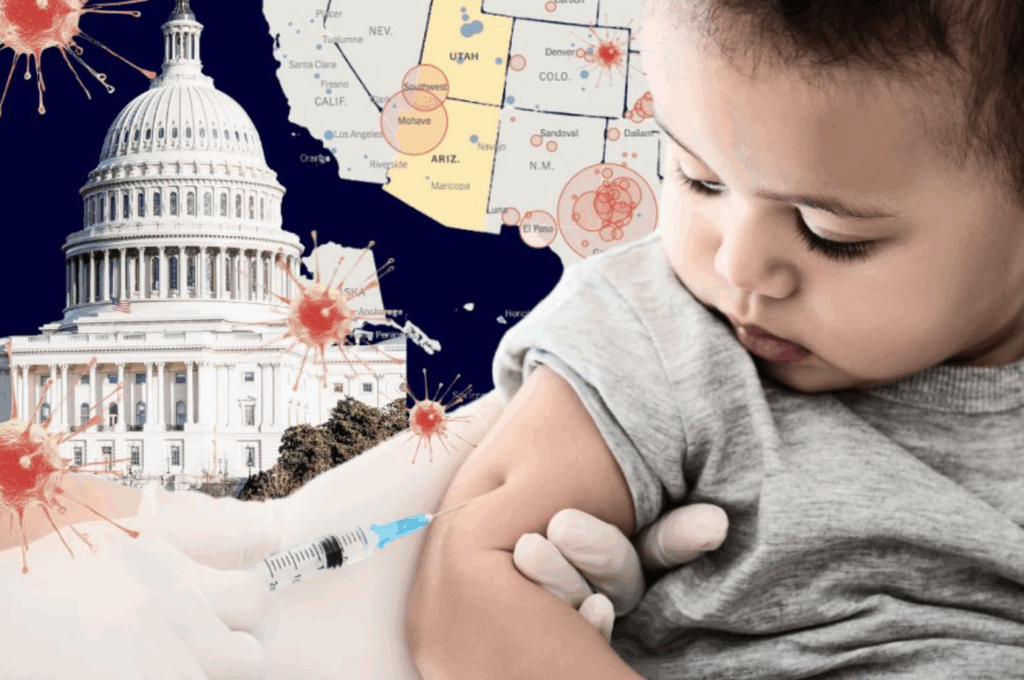
On January 5, 2026, the Centers for Disease Control and Prevention (CDC) announced a significant reduction in the number of recommended childhood vaccines, cutting the total from 17 to 11. This decision has raised concerns among parents and drawn sharp criticism from leading pediatric medical organizations. The removed vaccines protect against serious illnesses, including hepatitis A and B, influenza, meningitis, respiratory syncytial virus (RSV), and rotavirus. Under the new guidelines, these immunizations are now only recommended for children classified as “high risk,” or after consultation with a healthcare provider, a process termed by the CDC as “shared clinical decision making.”
The CDC continues to endorse vaccinations against chickenpox, diphtheria, Haemophilus influenzae type B (Hib), human papillomavirus (HPV), measles, mumps, pneumococcal disease, polio, rubella, tetanus, and whooping cough. While these changes are not legally binding—allowing states to set their own vaccine policies—the CDC guidelines significantly influence regional decision-making and can affect insurance coverage and access to vaccines.
In discussing the implications of this decision, Dr. Charles Whittaker, an assistant professor of infectious diseases and vaccinology at the University of California, Berkeley, expressed his concerns regarding the lack of transparency in the process.
Concerns Over Vaccine Safety and Transparency
Dr. Whittaker emphasized that the changes felt abrupt and lacked the public input typically associated with significant modifications to national immunization schedules. “Major changes do happen, and we update in light of new evidence all the time. But the changes are usually debated in public with input from pediatricians, immunologists, and epidemiologists,” he stated. He criticized the absence of an evidence summary that the public could scrutinize, a necessary component in fostering trust in public health decisions.
He pointed out that the scientific evidence supporting vaccine safety remains unchanged. “The vaccines have been rigorously tested and have been affirmed through decades of real-world use,” he explained. Dr. Whittaker cautioned that deviating from established vaccination standards could lead to outbreaks of preventable diseases, thus undermining herd immunity.
The CDC’s comparisons of the U.S. vaccine schedule to those in other industrialized nations also prompted skepticism from Dr. Whittaker. He noted that differences in healthcare access and infectious disease risk between countries complicate such comparisons. “The U.S. healthcare system is incredibly fragmented,” he remarked, contrasting it with countries like Denmark, which offers universal healthcare access and population-based registries to track vaccinations.
Guidance for Parents and Healthcare Providers
For parents concerned about vaccines that are no longer on the recommended list, Dr. Whittaker reassured them that access to these vaccines remains unchanged. “They aren’t being taken off the market,” he said. Parents are encouraged to discuss vaccine options with their healthcare providers, as they can still obtain vaccines deemed necessary without incurring out-of-pocket expenses.
Dr. Whittaker advised parents to remain vigilant during healthcare visits. “When something moves out of the ‘routine’ bucket, it can get less airtime in a busy clinic. Parents may need to be proactive and ask, ‘Are we following the AAP schedule, and are there vaccines we should still do even if they’re not universal on the CDC list?’”
Identifying high-risk children for vaccinations may also pose challenges. Dr. Whittaker noted that what constitutes a “high risk” status is not always immediately apparent. He cited RSV, explaining that many infants hospitalized with the virus were previously healthy, underscoring the necessity for careful discussions between families and their physicians.
As this situation continues to evolve, parents can turn to the American Academy of Pediatrics (AAP) for reliable information and guidance on vaccination schedules. Dr. Whittaker emphasized that a change in how a vaccine is characterized should not be misconstrued as evidence of its safety or necessity. “If your family has been vaccinating on schedule, there’s no scientific reason to stop doing that now,” he concluded.
As the CDC’s new recommendations take effect, the broader implications for public health and trust in vaccination programs remain a topic of critical discussion among healthcare professionals, parents, and policymakers alike.

Robinhood Stock Surges 2.5% in Early Trading on March 17

Israel Intensifies Strikes as Global Energy Crisis Looms

CALV Offers Class on Communication Skills for Real Estate Professionals

Historic Bideford Pub Reopens as The Patch Wine Bar & Kitchen

Oscar Night Celebrations: Winners, Guests, and Exclusive After-Parties

Samsung Galaxy Watch 9 Set for Larger Battery Boost, Report Reveals

Kibble vs. Fresh Dog Food: What’s Best for Your Dog’s Health?

Acclaimed San Francisco Pizzeria Del Popolo to Close in May

‘Invincible’ Season 4 Launches on Prime Video with Epic Action

ALMA Discovers Companion Orbiting Giant Red Star π 1 Gruis

Doctoral Candidate Trivanni Yadav Advances Battery Research at UTulsa

Rev. Bry Shields to Retire as McGill-Toolen President in 2026

Global Air Forces Ranked by Annual Defense Budgets in 2025

Tucson Celebrates Life and Remembrance at 36th Annual All Souls Procession

Mass Production of F-35 Fighter Jet Drives Down Costs

Gold Investment Surge: Top Mutual Funds and ETF Alternatives

DirecTV to Launch AI-Driven Ads with User Likenesses in 2026

Maumee’s Shop With a Hero Event Delivers Joy to Local Children
-
 Science9 months ago
ALMA Discovers Companion Orbiting Giant Red Star π 1 Gruis
-
 Science9 months ago
Doctoral Candidate Trivanni Yadav Advances Battery Research at UTulsa
-
 Lifestyle10 months ago
Rev. Bry Shields to Retire as McGill-Toolen President in 2026
-
 World10 months ago
Global Air Forces Ranked by Annual Defense Budgets in 2025
-
 Lifestyle10 months ago
Tucson Celebrates Life and Remembrance at 36th Annual All Souls Procession
-
 World10 months ago
Mass Production of F-35 Fighter Jet Drives Down Costs
-
 Business10 months ago
Gold Investment Surge: Top Mutual Funds and ETF Alternatives
-
 Top Stories10 months ago
DirecTV to Launch AI-Driven Ads with User Likenesses in 2026
-
 Lifestyle8 months ago
Maumee’s Shop With a Hero Event Delivers Joy to Local Children
-

 Sports8 months ago
Lawrence Launches Winterfest Skating Rink and Hot Chocolate Chalet
-

 Entertainment10 months ago
Paul Giamatti Reveals Villainous Role in Star Trek: Starfleet Academy
-

 Lifestyle8 months ago
Cape May Shines as New Jersey’s Only Entry on Beach Town List