
Health
Dr. Thomas Rando Shares Three Key Habits for Longevity


Dr. Thomas Rando, a leading figure in the study of aging, emphasizes three essential habits for longevity: running, intermittent fasting, and nurturing social connections. His straightforward approach rejects the allure of exotic supplements, focusing instead on sustainable lifestyle practices that align with human biology. Rando, who serves as a professor at Stanford University and directs the Eli and Edythe Broad Center of Regenerative Medicine and Stem Cell Research at UCLA, embodies his principles at the age of 68, maintaining a routine that keeps him biologically younger than his chronological age.
Rando’s philosophy, highlighted in a recent profile by Business Insider, reflects a significant trend in the field of longevity science, moving away from complex treatments toward accessible, habit-based strategies. His scientific background informs these habits, which stem from decades of research into stem cells and their role in tissue repair, as well as the impact of environmental factors on aging.
Rando’s first habit, regular running, is not merely about fitness. He runs approximately 20 to 25 miles each week, combining steady-state cardio with high-intensity workouts. This regimen is a proactive measure against sarcopenia, the age-related loss of muscle mass. Research from the American Federation for Aging Research supports the notion that aerobic exercise enhances mitochondrial function, a crucial aspect of cellular health that tends to decline with age.
Running: A Biological Boost
The benefits of running extend beyond physical fitness; they reach into the molecular realm. A 2025 study published in ScienceDaily found that altering mitochondrial energy production in mice led to longer lifespans, improved metabolism, and enhanced muscle strength. The study showed reduced oxidative stress and inflammation, both of which are indicators of aging. Rando’s consistent aerobic exercise is believed to stimulate proteins that enhance mitochondrial efficiency, effectively rejuvenating cells.
Furthermore, running also contributes to cognitive health. According to research featured on the Fight Aging! blog, physical activity like running supports neurogenesis, the process of generating new neurons, and reduces neuroinflammation. A 2025 post on the blog discussed how exercise could influence biomarker research, suggesting that running may inform future therapeutic designs.
Social media platforms, particularly X, have seen a surge of interest in these findings, with users sharing their experiences of increased focus and vitality through running. One popular discussion highlighted the importance of VO2 max training, an indicator of cardiovascular fitness and longevity, reinforcing Rando’s focus on endurance.
Rando’s second habit, intermittent fasting, involves a weekly 24-hour fast, typically starting from dinner to the next dinner. This practice encourages a process known as autophagy, where the body eliminates damaged cells. Rando explained to Business Insider that this “cellular housekeeping” is vital for preventing age-related diseases. A 2025 editorial in Aging-US discussed how fasting can regulate degenerative processes by modulating specific genes, such as Runx1.
During fasting, insulin levels decrease, prompting the body to utilize fat stores and activate repair pathways. An article from ScienceDaily described how fasting mirrored the effects of mitochondrial modifications in lab animals, leading to healthier fat tissue and decreased inflammation. The implications of fasting extend into biotechnology and pharmaceuticals, suggesting that fasting could complement therapies aimed at metabolic disorders, similar to GLP-1 drugs, which have gained attention for their potential in longevity.
The Value of Social Connections
Rando’s third pillar—prioritizing social connections—may appear less tangible than his other habits but is supported by substantial evidence. He emphasizes the importance of spending time with family and friends, viewing these relationships as essential for mental resilience. Research indicates that loneliness can accelerate cognitive decline and inflammation, making social interaction a significant aspect of healthy aging. A 2026 article in The Globe and Mail highlighted that eating together can influence dietary choices positively, further underlining the importance of social habits in longevity.
A 2025 review published in ScienceDirect illustrated how both exercise and social activities target aging markers such as genomic instability. Engaging socially can lower stress hormones, creating a hormonal environment conducive to longevity. Experts featured in a 2026 Fox News piece stressed the significance of maintaining social ties, linking them to improved brain health.
Discussion on social media platforms has echoed these sentiments, with numerous posts from 2025-2026 illustrating how combining running with social activities amplifies the benefits of both. This trend aligns with the rise of longevity clinics that integrate medical practice with lifestyle coaching, although experts caution against the risks of unregulated practices.
Rando’s approach provides a framework for translating scientific research into practical applications. His combination of running and fasting not only enhances insulin sensitivity but also addresses key factors in diseases such as diabetes. A summary from Life Extension magazine in 2026 noted a surge in research findings over the past 18 months, including interventions that mimic exercise’s vascular benefits.
As the field of longevity research continues to evolve, Rando’s habits present a holistic view of health that integrates physical activity, dietary practices, and social well-being. The emphasis on simple, evidence-based habits may offer scalable solutions to the challenges posed by aging populations and the rising costs of healthcare.
In the coming years, the landscape of longevity research is expected to further integrate lifestyle practices with scientific advancements. Articles on platforms like The Macro Sift have begun to explore the role of food-based fasting in activating the body’s clean-up systems, suggesting potential pathways for personalized longevity strategies supported by clinical trials.
The challenges of adopting these habits are acknowledged, with calls for inclusive research to ensure that diverse populations can benefit. Advocates for longevity emphasize the necessity of patient consent in biobanking to enrich future therapeutic developments.
Ultimately, Dr. Rando’s principles inspire a reevaluation of the approach to aging, focusing on the power of simple yet profound lifestyle changes backed by scientific evidence. These insights could redefine our understanding of health and longevity in a rapidly changing world.

Robinhood Stock Surges 2.5% in Early Trading on March 17

Israel Intensifies Strikes as Global Energy Crisis Looms

CALV Offers Class on Communication Skills for Real Estate Professionals

Historic Bideford Pub Reopens as The Patch Wine Bar & Kitchen

Oscar Night Celebrations: Winners, Guests, and Exclusive After-Parties

Samsung Galaxy Watch 9 Set for Larger Battery Boost, Report Reveals

Kibble vs. Fresh Dog Food: What’s Best for Your Dog’s Health?

Acclaimed San Francisco Pizzeria Del Popolo to Close in May

‘Invincible’ Season 4 Launches on Prime Video with Epic Action

ALMA Discovers Companion Orbiting Giant Red Star π 1 Gruis

Doctoral Candidate Trivanni Yadav Advances Battery Research at UTulsa

Rev. Bry Shields to Retire as McGill-Toolen President in 2026

Global Air Forces Ranked by Annual Defense Budgets in 2025

Tucson Celebrates Life and Remembrance at 36th Annual All Souls Procession

Mass Production of F-35 Fighter Jet Drives Down Costs

Gold Investment Surge: Top Mutual Funds and ETF Alternatives

DirecTV to Launch AI-Driven Ads with User Likenesses in 2026

Maumee’s Shop With a Hero Event Delivers Joy to Local Children
-
 Science9 months ago
ALMA Discovers Companion Orbiting Giant Red Star π 1 Gruis
-
 Science9 months ago
Doctoral Candidate Trivanni Yadav Advances Battery Research at UTulsa
-
 Lifestyle10 months ago
Rev. Bry Shields to Retire as McGill-Toolen President in 2026
-
 World10 months ago
Global Air Forces Ranked by Annual Defense Budgets in 2025
-
 Lifestyle10 months ago
Tucson Celebrates Life and Remembrance at 36th Annual All Souls Procession
-
 World10 months ago
Mass Production of F-35 Fighter Jet Drives Down Costs
-
 Business10 months ago
Gold Investment Surge: Top Mutual Funds and ETF Alternatives
-
 Top Stories10 months ago
DirecTV to Launch AI-Driven Ads with User Likenesses in 2026
-
 Lifestyle8 months ago
Maumee’s Shop With a Hero Event Delivers Joy to Local Children
-
 Sports8 months ago
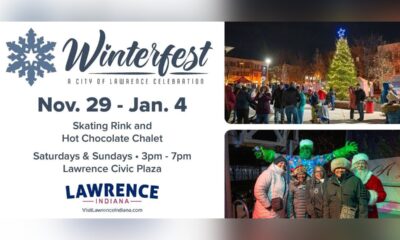
Lawrence Launches Winterfest Skating Rink and Hot Chocolate Chalet
-

 Entertainment10 months ago
Paul Giamatti Reveals Villainous Role in Star Trek: Starfleet Academy
-

 Lifestyle8 months ago
Cape May Shines as New Jersey’s Only Entry on Beach Town List