
Health
Hawaii’s HMSA and HPH Partnership Faces Intense Legislative Scrutiny

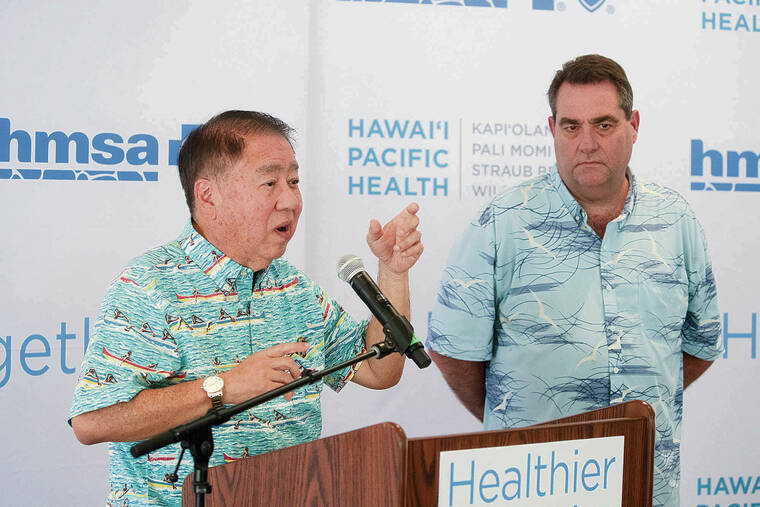
Hawaii’s largest health insurer, the Hawaii Medical Service Association (HMSA), is seeking to merge operations with Hawai‘i Pacific Health (HPH), prompting significant concern among state legislators and the public. During a recent briefing, state representatives expressed a range of questions regarding the implications of this partnership, which aims to establish a new entity called One Health Hawaii. The potential merger has sparked debates on its impact on the health care landscape in Hawaii.
At the forefront of the discussion, State Representative Scot Matayoshi, who chairs the House Committee on Consumer Protection and Commerce, stated that the partnership could lead to “drastic ramifications” for health care in the state. While the full extent of these ramifications remains unclear, he emphasized the need for thorough analysis before any definitive support or opposition is voiced.
HMSA and HPH argue that their collaboration will ultimately enhance health care services for consumers. They envision improved coordination and reduced administrative costs, with claims of potential savings exceeding $2 billion over a decade. However, other health care providers in the region, including The Queen’s Health Systems and Adventist Health Castle, have raised concerns about the possibility of unfair competition arising from the merger. They fear that a combined entity could create an uneven playing field, offering HMSA a competitive edge by reducing the number of intermediaries.
The apprehension extends to the potential for “cherry-picking” healthier patients, thereby placing the burden of high-cost care on other hospitals that serve sicker populations. Representatives from Queen’s Health Systems expressed particular concern, noting that they already handle a significant volume of uninsured emergency care patients in Honolulu.
In response to these concerns, both Ray Vara, HPH’s president and CEO, and Mark Mugiishi, HMSA’s CEO, assured legislators that the two organizations would maintain separate operational structures. They emphasized that no layoffs are currently planned and that members would continue to have the freedom to choose their preferred doctors. The claim is that better coordination will ultimately lead to cost savings, although many question how this will be achieved if operational processes remain unchanged.
The partnership has garnered public attention through a series of television commercials highlighting the high costs of health care while suggesting that the merger could address these challenges. Contrarily, a representative from HMAA, another Hawaiian insurer, voiced skepticism at the legislative hearing. They argued that historical trends indicate a significant risk of escalating health care costs, with benefits primarily accruing to senior executives rather than patients.
The complexity of the current health care system in the United States has long been a source of concern, with many stakeholders calling for reform. The ongoing struggle with rising costs and inefficiencies has prompted discussions about the viability of existing structures. The proposed merger between HMSA and HPH is seen by some as an opportunity for necessary change; however, it also raises critical questions about the future of competition and affordability in Hawaii’s health care market.
As Hawaii prepares for the possibility of this partnership, it is crucial for stakeholders to critically evaluate its implications. The end goal should be a health care system that prioritizes affordability, competition, innovation, and quality of care. The outcome of this legislative scrutiny could shape the future of health care not just in Hawaii, but potentially serve as a model for reform in other regions facing similar challenges.

Robinhood Stock Surges 2.5% in Early Trading on March 17

Israel Intensifies Strikes as Global Energy Crisis Looms

CALV Offers Class on Communication Skills for Real Estate Professionals

Historic Bideford Pub Reopens as The Patch Wine Bar & Kitchen

Oscar Night Celebrations: Winners, Guests, and Exclusive After-Parties

Samsung Galaxy Watch 9 Set for Larger Battery Boost, Report Reveals

Kibble vs. Fresh Dog Food: What’s Best for Your Dog’s Health?

Acclaimed San Francisco Pizzeria Del Popolo to Close in May

‘Invincible’ Season 4 Launches on Prime Video with Epic Action

ALMA Discovers Companion Orbiting Giant Red Star π 1 Gruis

Doctoral Candidate Trivanni Yadav Advances Battery Research at UTulsa

Rev. Bry Shields to Retire as McGill-Toolen President in 2026

Global Air Forces Ranked by Annual Defense Budgets in 2025

Tucson Celebrates Life and Remembrance at 36th Annual All Souls Procession

Mass Production of F-35 Fighter Jet Drives Down Costs

Gold Investment Surge: Top Mutual Funds and ETF Alternatives

DirecTV to Launch AI-Driven Ads with User Likenesses in 2026

Maumee’s Shop With a Hero Event Delivers Joy to Local Children
-
 Science9 months ago
ALMA Discovers Companion Orbiting Giant Red Star π 1 Gruis
-
 Science9 months ago
Doctoral Candidate Trivanni Yadav Advances Battery Research at UTulsa
-
 Lifestyle10 months ago
Rev. Bry Shields to Retire as McGill-Toolen President in 2026
-
 World10 months ago
Global Air Forces Ranked by Annual Defense Budgets in 2025
-
 Lifestyle10 months ago
Tucson Celebrates Life and Remembrance at 36th Annual All Souls Procession
-
 World10 months ago
Mass Production of F-35 Fighter Jet Drives Down Costs
-
 Business10 months ago
Gold Investment Surge: Top Mutual Funds and ETF Alternatives
-
 Top Stories10 months ago
DirecTV to Launch AI-Driven Ads with User Likenesses in 2026
-
 Lifestyle8 months ago
Maumee’s Shop With a Hero Event Delivers Joy to Local Children
-

 Sports8 months ago
Lawrence Launches Winterfest Skating Rink and Hot Chocolate Chalet
-

 Entertainment10 months ago
Paul Giamatti Reveals Villainous Role in Star Trek: Starfleet Academy
-

 Lifestyle8 months ago
Cape May Shines as New Jersey’s Only Entry on Beach Town List