
Health
Millions Face Health Insurance Crisis as GOP Lets ACA Subsidies Expire

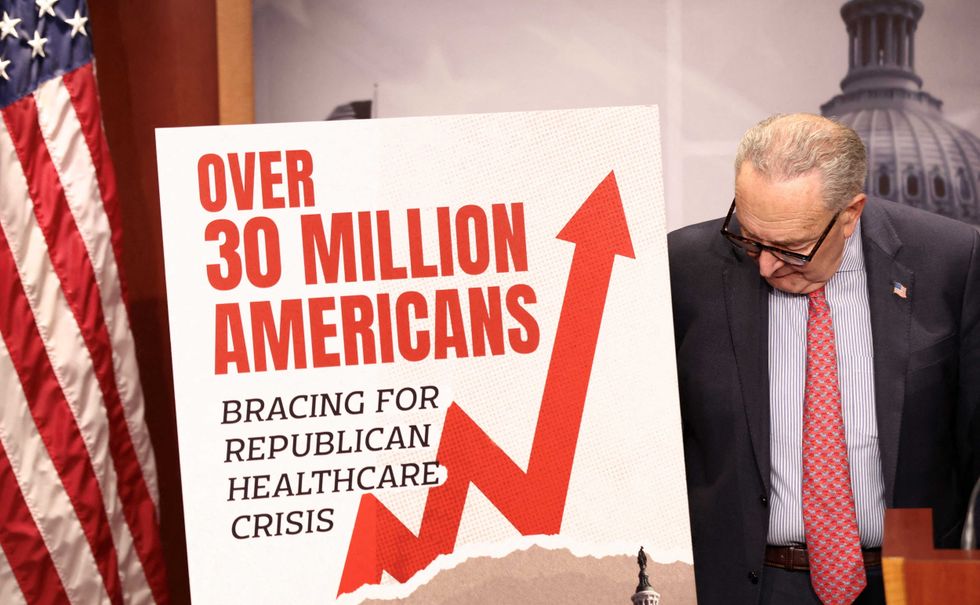
The expiration of Affordable Care Act (ACA) subsidies at midnight on December 31, 2025, has triggered a significant healthcare crisis for millions of Americans. Critics, including congressional Democrats, have accused Republican lawmakers of leaving countless individuals vulnerable to soaring insurance costs as they begin 2026. According to Leslie Dach, chair of Protect Our Care, “When the clock strikes midnight, the fallout of the GOP’s premium hikes will ripple throughout the nation.”
Dach emphasized the dire consequences of the decision, suggesting that many hardworking Americans could face crippling medical debt or be forced to forgo necessary healthcare. “Untold tens of thousands will die from preventable causes,” he warned, highlighting the potential for widespread suffering as hospitals and clinics may shutter due to financial strain.
The Republican-led One Big Beautiful Bill Act (OBBBA) failed to extend ACA subsidies, which are crucial for many Americans relying on these financial supports. This act is projected to cut approximately $1 trillion from Medicaid spending over the next decade, further jeopardizing access to healthcare for vulnerable populations.
Senate Minority Leader Chuck Schumer (D-NY) condemned the GOP’s inaction, stating, “The healthcare crisis beginning Thursday was entirely preventable—caused by Republican obstruction and total inaction.” He noted that around 22 million individuals who receive subsidies are likely to experience higher premiums in the coming year. Experts indicate that nearly 5 million people could lose their health insurance if tax credits are not reinstated. This situation compounds with an estimated 10 million people projected to lose Medicaid coverage over the next decade due to the OBBBA signed into law by former President Donald Trump.
The impact of these changes is already being felt across the country. For example, in St. John, Indiana, Eleanor Walsh and her husband, both self-employed, are seeing their health insurance costs soar from approximately $9,100 this year to $23,400 in 2026. To mitigate expenses, they are opting for a plan with a high deductible of $10,130 each. Walsh expressed her concerns, stating, “We’re going through every expense we have. It’s going to be a rough year.”
In Alta, Wyoming, Stacy Newton, diagnosed with chronic leukemia, faces similarly daunting choices. The cheapest insurance option for her family will cost nearly $43,000 annually, with a deductible of $21,200. “It’s terrifying… We’re a standard, middle-class family, and somehow now I can’t afford health insurance,” she remarked. Newton has already canceled her ACA marketplace insurance for 2026, voicing her worries about the future.
With the open enrollment period concluding in mid-January, many Americans are compelled to make significant healthcare decisions with no assurances regarding the reinstatement of subsidies. Schumer reiterated that Democrats are continuing to advocate for solutions in Washington, D.C. He criticized Senate Republicans for repeatedly blocking measures to help families facing rising costs, stating, “While Republicans chose to do nothing and ignore the pain families will feel starting tomorrow, Senate Democrats are fighting to lower costs, protect coverage, and make life more affordable.”
In a glimmer of bipartisanship, four Republicans in the House of Representatives signed a discharge petition to force a January vote on Democratic legislation aimed at extending the tax credits for three years. Meanwhile, a bipartisan group of senators is exploring a compromise, although Senate Majority Leader John Thune (R-SD) has labeled the proposed extension a “waste of money.”
As lawmakers debate these crucial issues, advocates for universal healthcare are using this moment to renew their calls for comprehensive reforms. Senator Jeff Merkley (D-Ore.) stated, “Everyone in America—no matter what their ZIP code is—should have access to the quality healthcare they need, when they need it.”
Senator Bernie Sanders (I-Vt.) has also been vocal about the need for systemic change, emphasizing that many Americans remain in jobs solely for the health insurance benefits. He argues that universal healthcare would provide individuals with the freedom to choose their careers without the fear of losing health coverage.
In response to Congress’ failure to act, several states are taking matters into their own hands to protect residents from rising health insurance costs. States like California, Colorado, Connecticut, Maryland, and New Mexico are exploring measures to shield citizens from the impacts of expiring subsidies. New Mexico’s House Speaker Javier Martínez (D-11) remarked, “We can carry the cost for a little bit, but at some point, we will need Congress to act.”
The failure to extend ACA subsidies has set the stage for a healthcare crisis that may affect millions. As discussions continue in Washington, the urgency for a solution remains paramount for many Americans facing uncertain health futures.

Robinhood Stock Surges 2.5% in Early Trading on March 17

Israel Intensifies Strikes as Global Energy Crisis Looms

CALV Offers Class on Communication Skills for Real Estate Professionals

Historic Bideford Pub Reopens as The Patch Wine Bar & Kitchen

Oscar Night Celebrations: Winners, Guests, and Exclusive After-Parties

Samsung Galaxy Watch 9 Set for Larger Battery Boost, Report Reveals

Kibble vs. Fresh Dog Food: What’s Best for Your Dog’s Health?

Acclaimed San Francisco Pizzeria Del Popolo to Close in May

‘Invincible’ Season 4 Launches on Prime Video with Epic Action

ALMA Discovers Companion Orbiting Giant Red Star π 1 Gruis

Doctoral Candidate Trivanni Yadav Advances Battery Research at UTulsa

Rev. Bry Shields to Retire as McGill-Toolen President in 2026

Global Air Forces Ranked by Annual Defense Budgets in 2025

Tucson Celebrates Life and Remembrance at 36th Annual All Souls Procession

Mass Production of F-35 Fighter Jet Drives Down Costs

Gold Investment Surge: Top Mutual Funds and ETF Alternatives

DirecTV to Launch AI-Driven Ads with User Likenesses in 2026

Maumee’s Shop With a Hero Event Delivers Joy to Local Children
-
 Science9 months ago
ALMA Discovers Companion Orbiting Giant Red Star π 1 Gruis
-
 Science9 months ago
Doctoral Candidate Trivanni Yadav Advances Battery Research at UTulsa
-
 Lifestyle10 months ago
Rev. Bry Shields to Retire as McGill-Toolen President in 2026
-
 World10 months ago
Global Air Forces Ranked by Annual Defense Budgets in 2025
-
 Lifestyle10 months ago
Tucson Celebrates Life and Remembrance at 36th Annual All Souls Procession
-
 World10 months ago
Mass Production of F-35 Fighter Jet Drives Down Costs
-
 Business10 months ago
Gold Investment Surge: Top Mutual Funds and ETF Alternatives
-
 Top Stories10 months ago
DirecTV to Launch AI-Driven Ads with User Likenesses in 2026
-
 Lifestyle8 months ago
Maumee’s Shop With a Hero Event Delivers Joy to Local Children
-

 Sports8 months ago
Lawrence Launches Winterfest Skating Rink and Hot Chocolate Chalet
-

 Entertainment10 months ago
Paul Giamatti Reveals Villainous Role in Star Trek: Starfleet Academy
-

 Lifestyle8 months ago
Cape May Shines as New Jersey’s Only Entry on Beach Town List