
Health
Millions Face Healthcare Costs Surge as ACA Subsidies Expire

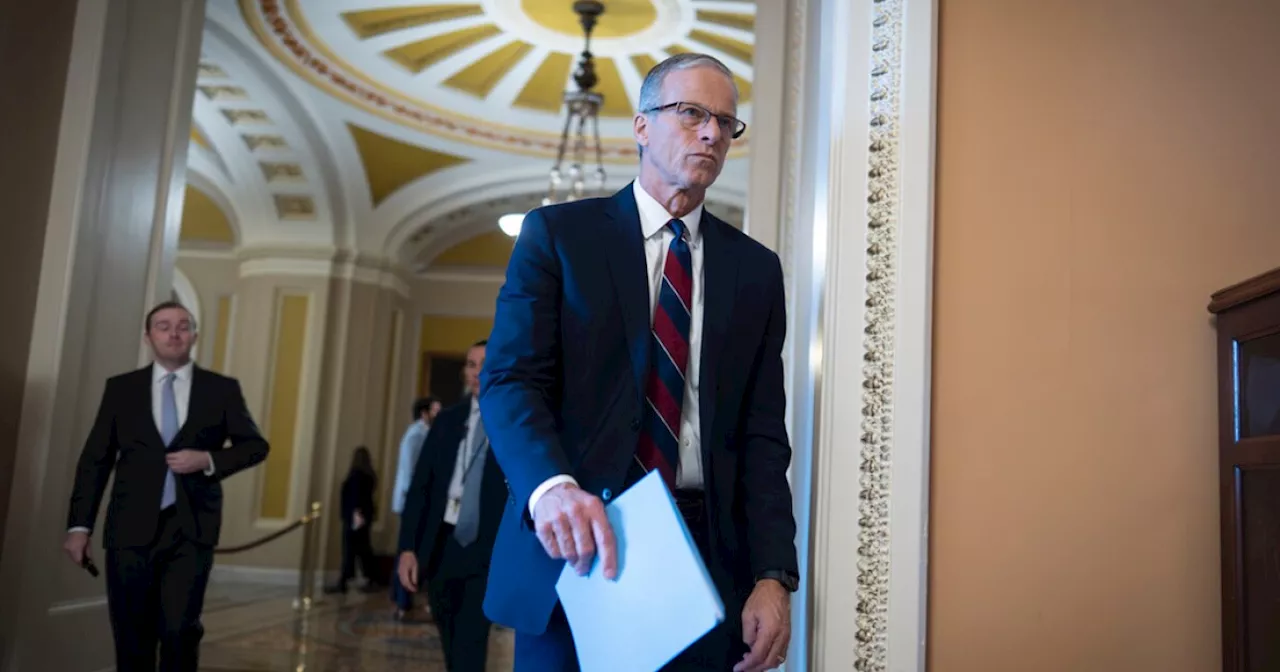
The expiration of expanded premium tax credits from the Affordable Care Act (ACA) has left millions of Americans facing significantly higher healthcare costs or the risk of losing their coverage. Effective January 1, 2026, this development has ignited a substantial political debate in Washington, D.C., as lawmakers return to Capitol Hill. With midterm elections approaching, Democrats are seizing the opportunity to challenge Republicans on the issue of healthcare affordability.
As Congress reconvenes, the political landscape is charged. Democrats are pushing to hold Republicans accountable for their inability to unite around a comprehensive healthcare plan. The urgency of this issue is amplified as many individuals could struggle to afford their premiums without the financial support previously provided by the ACA. The end of these subsidies is not just a healthcare issue; it is a pressing political matter.
Republicans had previously proposed various alternatives to the ACA but failed to reach a consensus on a viable solution before the holiday break. Senator **Cynthia Lummis** of Wyoming highlighted the disarray among her party, stating, “We have time constraints. We have different philosophies.” She referenced multiple competing proposals from fellow Republicans, including plans from Senators **Mike Crapo**, **Bill Cassidy**, **Rand Paul**, **Marsha Blackburn**, and **Susan Collins**. Despite these discussions, no cohesive strategy has emerged.
For Democrats, the lapse in subsidies presents a potential political advantage. Senator **Peter Welch** of Vermont expressed concern, stating, “This is so heartbreaking because people who had no control over these premium increases are going to suffer.” With midterm elections looming, Democrats aim to leverage the healthcare affordability crisis to gain traction with voters.
In addition to the healthcare crisis, Congress faces another looming deadline as government funding is set to expire on **January 30, 2026**. Without action, the government risks a partial shutdown on **January 31**. Lawmakers must navigate a busy legislative agenda that includes not only healthcare affordability but also proposals to ban stock trading by members of Congress, an issue that has garnered bipartisan interest.
Republicans may attempt to pass another reconciliation bill that would allow them to implement changes to taxes and government spending without requiring Democratic support. This approach mirrors previous initiatives, such as the One Big Beautiful Bill Act. However, time is of the essence, as lawmakers are scheduled to take breaks in August and nearly the entire month of October for campaign activities related to the midterm elections.
As the political battle intensifies, the future of healthcare affordability hangs in the balance, with millions of Americans watching closely as their lawmakers navigate these critical issues.

Robinhood Stock Surges 2.5% in Early Trading on March 17

Israel Intensifies Strikes as Global Energy Crisis Looms

CALV Offers Class on Communication Skills for Real Estate Professionals

Historic Bideford Pub Reopens as The Patch Wine Bar & Kitchen

Oscar Night Celebrations: Winners, Guests, and Exclusive After-Parties

Samsung Galaxy Watch 9 Set for Larger Battery Boost, Report Reveals

Kibble vs. Fresh Dog Food: What’s Best for Your Dog’s Health?

Acclaimed San Francisco Pizzeria Del Popolo to Close in May

‘Invincible’ Season 4 Launches on Prime Video with Epic Action

ALMA Discovers Companion Orbiting Giant Red Star π 1 Gruis

Doctoral Candidate Trivanni Yadav Advances Battery Research at UTulsa

Rev. Bry Shields to Retire as McGill-Toolen President in 2026

Global Air Forces Ranked by Annual Defense Budgets in 2025

Tucson Celebrates Life and Remembrance at 36th Annual All Souls Procession

Mass Production of F-35 Fighter Jet Drives Down Costs

Gold Investment Surge: Top Mutual Funds and ETF Alternatives

DirecTV to Launch AI-Driven Ads with User Likenesses in 2026

Maumee’s Shop With a Hero Event Delivers Joy to Local Children
-
 Science9 months ago
ALMA Discovers Companion Orbiting Giant Red Star π 1 Gruis
-
 Science9 months ago
Doctoral Candidate Trivanni Yadav Advances Battery Research at UTulsa
-
 Lifestyle10 months ago
Rev. Bry Shields to Retire as McGill-Toolen President in 2026
-
 World10 months ago
Global Air Forces Ranked by Annual Defense Budgets in 2025
-
 Lifestyle10 months ago
Tucson Celebrates Life and Remembrance at 36th Annual All Souls Procession
-
 World10 months ago
Mass Production of F-35 Fighter Jet Drives Down Costs
-
 Business10 months ago
Gold Investment Surge: Top Mutual Funds and ETF Alternatives
-
 Top Stories10 months ago
DirecTV to Launch AI-Driven Ads with User Likenesses in 2026
-
 Lifestyle8 months ago
Maumee’s Shop With a Hero Event Delivers Joy to Local Children
-

 Sports8 months ago
Lawrence Launches Winterfest Skating Rink and Hot Chocolate Chalet
-

 Entertainment10 months ago
Paul Giamatti Reveals Villainous Role in Star Trek: Starfleet Academy
-

 Lifestyle8 months ago
Cape May Shines as New Jersey’s Only Entry on Beach Town List