
Health
Senate Faces Urgent Health Care Negotiations as Subsidies Expire

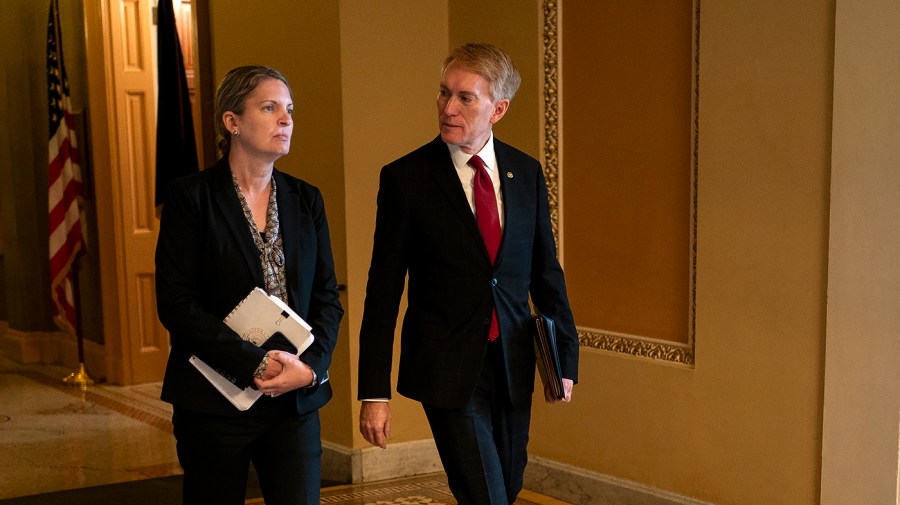
Senate negotiators in the United States are gearing up for intense discussions surrounding health care as enhanced subsidies under the Affordable Care Act, commonly known as ObamaCare, are set to expire. Lawmakers departed Washington for the holiday season without reaching a resolution, leaving critical health care funding in limbo. The situation is becoming increasingly urgent as the calendar turns to the new year and lawmakers begin to focus on their upcoming campaigns.
The enhanced subsidies, which have played a vital role in making health insurance more affordable for millions of Americans, are scheduled to end on January 1, 2024. If Congress does not act swiftly, individuals and families who rely on these financial aids may face significant increases in their health care costs, potentially leading to millions losing coverage. The stakes are high, and the pressure is mounting for lawmakers to find a solution.
Political Landscape Shifts as Campaign Season Approaches
As negotiations begin, the political landscape is shifting. Many senators are turning their attention to campaign strategies, with elections looming in the coming year. This dual focus on campaigning and urgent policy issues complicates the negotiations and adds another layer of urgency to the discussions. Some lawmakers have criticized their colleagues for not prioritizing health care reform amid rising costs and the ongoing challenges of the pandemic.
In the weeks leading up to the holiday break, discussions among Senate leaders reflected deep divisions within the chamber. Legislative proposals aimed at extending the subsidies have faced opposition from various factions, complicating the path forward. The negotiations are likely to be a balancing act, requiring bipartisan cooperation to address the needs of constituents while also considering electoral implications.
Potential Impacts on Millions of Americans
The potential expiration of these subsidies could have sweeping consequences. According to data from the Centers for Medicare & Medicaid Services, nearly 14 million Americans benefited from the enhanced subsidies last year, making it a crucial lifeline for many during challenging economic times. Without these funds, many could find themselves unable to afford necessary health care services, leading to adverse health outcomes and increased financial strain.
As Senate leaders prepare for these critical discussions, they are aware that public sentiment is at stake. Voter opinions on health care are significant, particularly as the nation continues to navigate the recovery from the COVID-19 pandemic. A failure to extend the subsidies could result in public backlash, potentially impacting lawmakers’ reelection efforts.
In summary, the Senate faces a pivotal moment as it reconvenes after the holiday break. With enhanced ObamaCare subsidies set to expire imminently, the urgency for resolution cannot be overstated. As negotiations unfold, the outcomes will not only affect policy but also the lives of millions of Americans who rely on affordable health care. The next few weeks will be crucial in determining the future of health care funding in the United States.

Robinhood Stock Surges 2.5% in Early Trading on March 17

Israel Intensifies Strikes as Global Energy Crisis Looms

CALV Offers Class on Communication Skills for Real Estate Professionals

Historic Bideford Pub Reopens as The Patch Wine Bar & Kitchen

Oscar Night Celebrations: Winners, Guests, and Exclusive After-Parties

Samsung Galaxy Watch 9 Set for Larger Battery Boost, Report Reveals

Kibble vs. Fresh Dog Food: What’s Best for Your Dog’s Health?

Acclaimed San Francisco Pizzeria Del Popolo to Close in May

‘Invincible’ Season 4 Launches on Prime Video with Epic Action

ALMA Discovers Companion Orbiting Giant Red Star π 1 Gruis

Doctoral Candidate Trivanni Yadav Advances Battery Research at UTulsa

Rev. Bry Shields to Retire as McGill-Toolen President in 2026

Global Air Forces Ranked by Annual Defense Budgets in 2025

Tucson Celebrates Life and Remembrance at 36th Annual All Souls Procession

Mass Production of F-35 Fighter Jet Drives Down Costs

Gold Investment Surge: Top Mutual Funds and ETF Alternatives

DirecTV to Launch AI-Driven Ads with User Likenesses in 2026

Maumee’s Shop With a Hero Event Delivers Joy to Local Children
-
 Science9 months ago
ALMA Discovers Companion Orbiting Giant Red Star π 1 Gruis
-
 Science9 months ago
Doctoral Candidate Trivanni Yadav Advances Battery Research at UTulsa
-
 Lifestyle10 months ago
Rev. Bry Shields to Retire as McGill-Toolen President in 2026
-
 World10 months ago
Global Air Forces Ranked by Annual Defense Budgets in 2025
-
 Lifestyle10 months ago
Tucson Celebrates Life and Remembrance at 36th Annual All Souls Procession
-
 World10 months ago
Mass Production of F-35 Fighter Jet Drives Down Costs
-
 Business10 months ago
Gold Investment Surge: Top Mutual Funds and ETF Alternatives
-
 Top Stories10 months ago
DirecTV to Launch AI-Driven Ads with User Likenesses in 2026
-
 Lifestyle8 months ago
Maumee’s Shop With a Hero Event Delivers Joy to Local Children
-

 Sports8 months ago
Lawrence Launches Winterfest Skating Rink and Hot Chocolate Chalet
-

 Entertainment10 months ago
Paul Giamatti Reveals Villainous Role in Star Trek: Starfleet Academy
-

 Lifestyle8 months ago
Cape May Shines as New Jersey’s Only Entry on Beach Town List