
Health
Shake Shack Introduces Healthier Menu After Fast-Food Setbacks

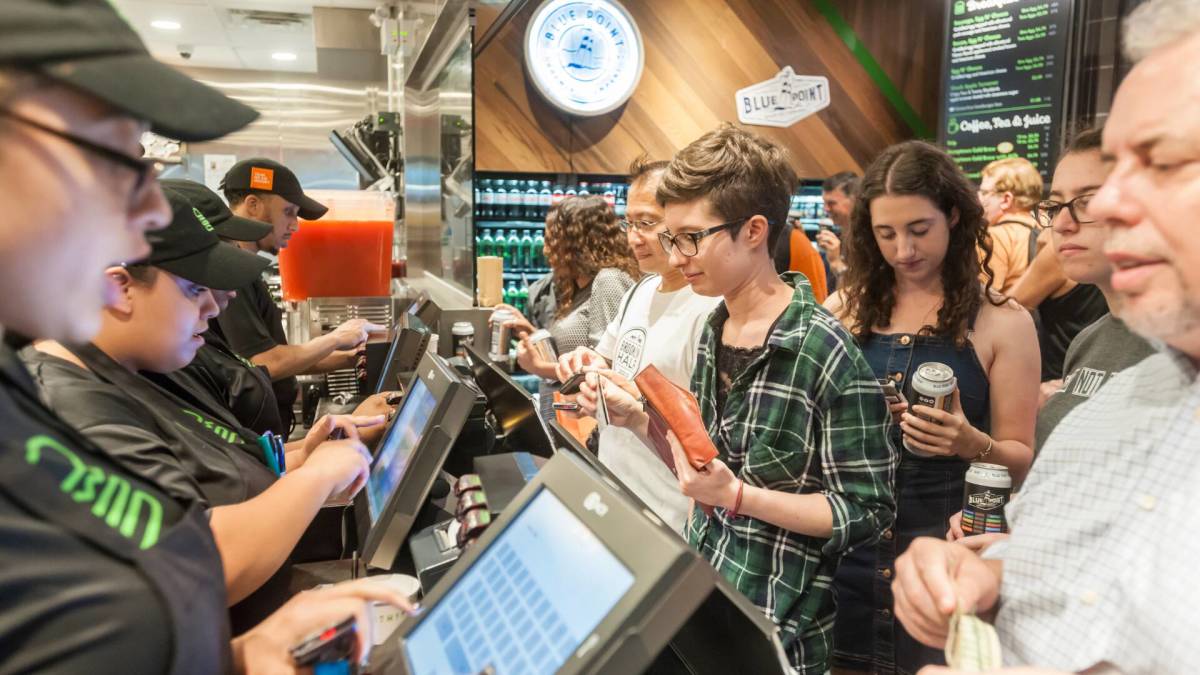
Shake Shack has launched a new health-oriented menu called “Good Fit,” aiming to cater to the growing demand for healthier fast-food options. This move comes as many consumers look to improve their dietary habits, particularly with the New Year approaching. The fast-casual chain, known for its burgers and shakes, is attempting to strike a balance between taste and nutritional value, a challenge that has eluded several major competitors in the industry.
Shake Shack’s Good Fit Menu Launch
The “Good Fit” menu officially debuted across all Shake Shack locations and online platforms. According to an announcement from the company, this new lineup is designed to meet a variety of dietary goals. Shake Shack states, “It’s a curated lineup of menu items and easy modifications from Shake Shack’s core menu, thoughtfully designed to meet you where you are.” The menu features high-protein options, vegetarian choices, and gluten-free alternatives, aiming to satisfy health-conscious customers without sacrificing flavor.
Highlighted items include the Single ShackBurger Lettuce Wrap, which contains 23 grams of protein and only 3 grams of carbohydrates, and the Double Avocado Bacon Burger in Lettuce Wrap, boasting 51 grams of protein and just 4 grams of carbs. These offerings reflect Shake Shack’s commitment to providing options that align with current dietary trends.
Consumer Trends and Fast-Food Market Dynamics
The global fast-food market remains robust, valued at approximately $593 billion in 2021 and projected to reach $814 billion by 2028, as reported by Grand View Research. In the United States, around 32% of adults consume fast food on a daily basis, according to the Centers for Disease Control and Prevention (CDC). This reflects a strong reliance on quick-service meals, despite an increasing awareness of health issues linked to fast-food consumption.
Recent surveys indicate that 72% of Americans are planning to improve their diet in the upcoming year. A study by the Purdue University Center for Food Demand Analysis and Sustainability found that 48% of respondents are focusing on weight loss. Many consumers are aiming to increase their intake of fruits and vegetables while cutting back on sugary beverages. This context sets the stage for Shake Shack’s recent menu adjustments, as they align with the growing interest in healthier eating.
Despite these trends, the road to successful health-oriented menu items in the fast-food sector has been fraught with challenges. Past attempts by major chains such as McDonald’s to introduce healthier options have often resulted in disappointing sales. For instance, McDonald’s McPlant burger and various salad offerings have been discontinued due to low consumer demand. Joe Erlinger, President of McDonald’s USA, noted that the company’s experience indicates that consumers are not seeking healthier products from their brand, emphasizing a preference for traditional fast food.
The failure of other fast-food chains to successfully market healthy alternatives underlines a persistent challenge: many patrons prioritize taste and convenience over nutritional claims. For instance, Burger King’s Satisfries, launched in 2013, promised lower calories but failed to maintain consumer interest and was removed from menus within a year. Similarly, Wendy’s Frescata sandwiches, a healthier alternative, did not resonate with customers due to longer preparation times and an incongruent brand image.
As Shake Shack ventures into this competitive landscape, the success of its Good Fit menu will depend on its ability to deliver flavor and convenience that meets customer expectations. Maeve Webster, Director at food industry research firm Datassential, emphasized the importance of flavor, stating, “Any operator who focuses on healthy products… needs to lead with flavor.” Without this element, even well-intentioned health-focused initiatives may struggle to gain traction.
In summary, while Shake Shack’s Good Fit menu represents a strategic response to consumer interest in healthier options, its success will hinge on the complex interplay of taste, convenience, and consumer expectations in the fast-food market. As the industry evolves, the challenge remains for chains to adapt to changing dietary habits while maintaining the core elements that draw customers in the first place.

Robinhood Stock Surges 2.5% in Early Trading on March 17

Israel Intensifies Strikes as Global Energy Crisis Looms

CALV Offers Class on Communication Skills for Real Estate Professionals

Historic Bideford Pub Reopens as The Patch Wine Bar & Kitchen

Oscar Night Celebrations: Winners, Guests, and Exclusive After-Parties

Samsung Galaxy Watch 9 Set for Larger Battery Boost, Report Reveals

Kibble vs. Fresh Dog Food: What’s Best for Your Dog’s Health?

Acclaimed San Francisco Pizzeria Del Popolo to Close in May

‘Invincible’ Season 4 Launches on Prime Video with Epic Action

ALMA Discovers Companion Orbiting Giant Red Star π 1 Gruis

Doctoral Candidate Trivanni Yadav Advances Battery Research at UTulsa

Rev. Bry Shields to Retire as McGill-Toolen President in 2026

Global Air Forces Ranked by Annual Defense Budgets in 2025

Tucson Celebrates Life and Remembrance at 36th Annual All Souls Procession

Mass Production of F-35 Fighter Jet Drives Down Costs

Gold Investment Surge: Top Mutual Funds and ETF Alternatives

Maumee’s Shop With a Hero Event Delivers Joy to Local Children

DirecTV to Launch AI-Driven Ads with User Likenesses in 2026
-
 Science10 months ago
ALMA Discovers Companion Orbiting Giant Red Star π 1 Gruis
-
 Science9 months ago
Doctoral Candidate Trivanni Yadav Advances Battery Research at UTulsa
-
 Lifestyle10 months ago
Rev. Bry Shields to Retire as McGill-Toolen President in 2026
-
 World10 months ago
Global Air Forces Ranked by Annual Defense Budgets in 2025
-
 Lifestyle10 months ago
Tucson Celebrates Life and Remembrance at 36th Annual All Souls Procession
-
 World10 months ago
Mass Production of F-35 Fighter Jet Drives Down Costs
-
 Business10 months ago
Gold Investment Surge: Top Mutual Funds and ETF Alternatives
-
 Lifestyle9 months ago
Maumee’s Shop With a Hero Event Delivers Joy to Local Children
-
 Top Stories10 months ago
DirecTV to Launch AI-Driven Ads with User Likenesses in 2026
-

 Sports8 months ago
Lawrence Launches Winterfest Skating Rink and Hot Chocolate Chalet
-

 Entertainment10 months ago
Paul Giamatti Reveals Villainous Role in Star Trek: Starfleet Academy
-

 Lifestyle8 months ago
Cape May Shines as New Jersey’s Only Entry on Beach Town List