
Health
Stiff Colon Linked to Rising Early-Onset Colorectal Cancer Risk

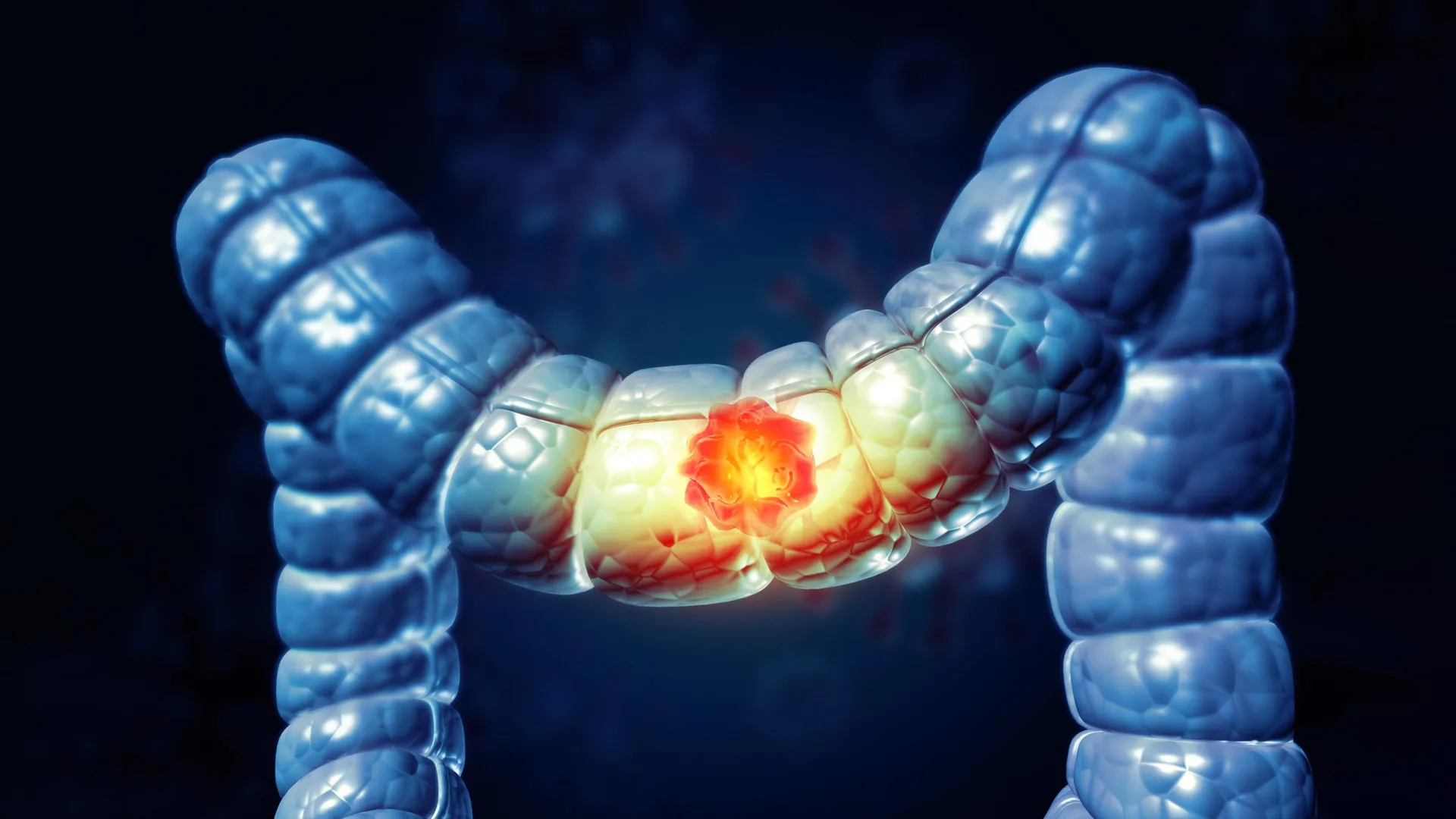
A recent study indicates that chronic inflammation may be contributing to an alarming trend in early-onset colorectal cancer (CRC) among younger adults. Researchers from UT Southwestern Medical Center found that colon tissue in patients under 50 exhibited increased stiffness, even in areas that appeared healthy. This stiffness could create an environment conducive to cancer development, potentially occurring before any apparent signs of the disease arise.
The findings, published on January 24, 2026, in the journal Advanced Science, highlight how changes in the colon’s biomechanical properties might play a pivotal role in early-onset CRC. Emina Huang, M.D., M.B.A., a professor of surgery and executive vice chair of research at UT Southwestern, emphasized the study’s contribution to understanding risk factors for this aggressive cancer. She noted, “We consider this study a significant advancement toward identifying those at risk of early-onset CRC and finding new ways to treat them.”
Understanding the Rising Incidence of Early-Onset CRC
Colorectal cancer typically appears after the age of 50 and is categorized as average-onset or sporadic CRC. Over the last three decades, diagnosis rates and mortality from these cancers have decreased. In stark contrast, the incidence of early-onset CRC, diagnosed in individuals under 50, has surged. Since 2020, this group has accounted for approximately 12% of all colorectal cancer cases in the United States. Despite the growing numbers, the reasons behind this rise remain unclear.
While previous studies have focused on lifestyle factors, obesity, and environmental exposures as potential contributors to chronic intestinal inflammation, the biological connection between inflammation and early-onset CRC has not been well understood. Dr. Huang and her colleagues aimed to investigate whether chronic inflammation could physically alter the colon in ways that promote cancer.
Research Findings on Tissue Stiffness and Cancer Development
The research team analyzed colon tissue samples from patients who underwent tumor removal surgery at William P. Clements University Hospital and Parkland Health. The study included 19 samples from individuals with average-onset CRC and 14 from those with early-onset CRC. Results revealed that colon tissue from early-onset patients was significantly stiffer than that of older counterparts, not only within tumor areas but also in surrounding healthy tissue. This suggests that tissue stiffening may occur prior to the manifestation of cancer.
To determine the cause of this rigidity, researchers examined collagen levels in the tissue. They found that colon samples from early-onset CRC patients possessed collagen that was denser, longer, and more uniformly aligned compared to those from average-onset patients. Such characteristics are indicative of extensive scarring, further supporting the notion that chronic inflammation leads to tissue stiffening.
The study also uncovered increased activity in pathways linked to mechanotransduction—the process by which cells sense and respond to physical forces. This suggests that cancer cells in early-onset CRC may alter their behavior based on the stiffness of their surrounding environment. Laboratory experiments confirmed this hypothesis; colorectal cancer cells grown in stiffer conditions multiplied more rapidly, reinforcing the connection between a rigid colon environment and cancer progression.
Dr. Huang highlighted the implications of these findings, stating that targeting mechanotransduction pathways could potentially slow or halt cancer development. She also proposed that diagnostic tools measuring intestinal stiffness could aid in identifying individuals at higher risk for early-onset CRC, similar to current colonoscopy practices used for average-onset cases.
Funding for this research was provided by the National Institutes of Health along with various grants and support from other organizations, including the University of Texas at Dallas and the Burroughs-Wellcome Trust.
As the incidence of early-onset colorectal cancer continues to rise, this groundbreaking research from UT Southwestern Medical Center provides a crucial step forward in understanding how chronic inflammation and biomechanical changes in the colon can contribute to cancer risk, paving the way for improved detection and treatment strategies.

Robinhood Stock Surges 2.5% in Early Trading on March 17

Israel Intensifies Strikes as Global Energy Crisis Looms

CALV Offers Class on Communication Skills for Real Estate Professionals

Historic Bideford Pub Reopens as The Patch Wine Bar & Kitchen

Oscar Night Celebrations: Winners, Guests, and Exclusive After-Parties

Samsung Galaxy Watch 9 Set for Larger Battery Boost, Report Reveals

Kibble vs. Fresh Dog Food: What’s Best for Your Dog’s Health?

Acclaimed San Francisco Pizzeria Del Popolo to Close in May

‘Invincible’ Season 4 Launches on Prime Video with Epic Action

ALMA Discovers Companion Orbiting Giant Red Star π 1 Gruis

Doctoral Candidate Trivanni Yadav Advances Battery Research at UTulsa

Rev. Bry Shields to Retire as McGill-Toolen President in 2026

Global Air Forces Ranked by Annual Defense Budgets in 2025

Tucson Celebrates Life and Remembrance at 36th Annual All Souls Procession

Mass Production of F-35 Fighter Jet Drives Down Costs

Gold Investment Surge: Top Mutual Funds and ETF Alternatives

Maumee’s Shop With a Hero Event Delivers Joy to Local Children

DirecTV to Launch AI-Driven Ads with User Likenesses in 2026
-
 Science9 months ago
ALMA Discovers Companion Orbiting Giant Red Star π 1 Gruis
-
 Science9 months ago
Doctoral Candidate Trivanni Yadav Advances Battery Research at UTulsa
-
 Lifestyle10 months ago
Rev. Bry Shields to Retire as McGill-Toolen President in 2026
-
 World10 months ago
Global Air Forces Ranked by Annual Defense Budgets in 2025
-
 Lifestyle10 months ago
Tucson Celebrates Life and Remembrance at 36th Annual All Souls Procession
-
 World10 months ago
Mass Production of F-35 Fighter Jet Drives Down Costs
-
 Business10 months ago
Gold Investment Surge: Top Mutual Funds and ETF Alternatives
-
 Lifestyle8 months ago
Maumee’s Shop With a Hero Event Delivers Joy to Local Children
-
 Top Stories10 months ago
DirecTV to Launch AI-Driven Ads with User Likenesses in 2026
-

 Sports8 months ago
Lawrence Launches Winterfest Skating Rink and Hot Chocolate Chalet
-

 Lifestyle8 months ago
Cape May Shines as New Jersey’s Only Entry on Beach Town List
-

 Entertainment10 months ago
Paul Giamatti Reveals Villainous Role in Star Trek: Starfleet Academy