
Lifestyle
Activists Adopt Ankle Monitors to Raise Awareness for Migrants

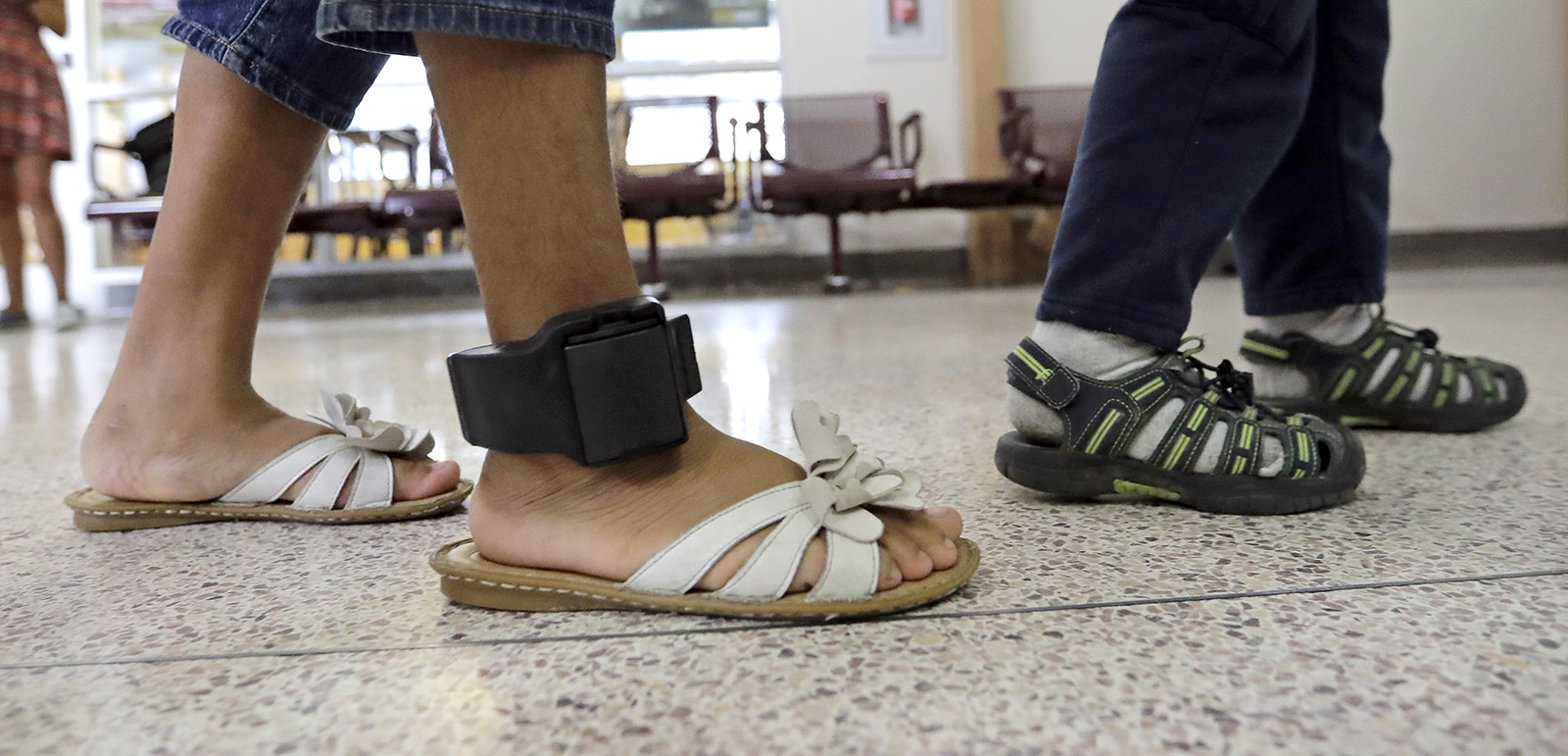
In an act of solidarity with migrants facing strict surveillance, members of a Catholic community in Harrisburg, Pennsylvania, have begun wearing mock ankle monitors during Lent. This initiative follows a troubling directive from Dawnisha Helland, acting assistant director of U.S. Immigration and Customs Enforcement (ICE), who mandated that ankle monitors be placed on migrants enrolled in the agency’s alternative detention program. This program, designed to allow over 180,000 migrants to remain in their communities while awaiting processing, has seen the number of monitored individuals rise sharply since the order was issued in June 2025.
The community’s action arose from a recent experience when a parishioner, who had previously been apprehensive about her ICE check-in, emerged wearing a real ankle monitor. This device, weighing nearly one pound, symbolizes a significant loss of freedom, imposing daily restrictions on its wearer. According to The Washington Post, fewer than 25,000 migrants were under similar surveillance at the time of the memo, but the increase in usage has raised concerns about the treatment of vulnerable populations.
During a recent Zoom panel discussion, Rev. Brian Strassburger, a Jesuit priest and founder of Del Camino Border Ministries, criticized the current administration’s approach to immigration. He stated that the emphasis seems to be on making the experience of migration uncomfortable, rather than promoting humane treatment. Strassburger’s comments resonate with the experiences of many individuals living under constant monitoring, illustrating the emotional and physical toll these devices can impose.
The discomfort of ankle monitors is palpable. One parishioner reported that the device caused her significant pain after wearing it for just one night. Although it was later replaced with a wrist monitor designed to resemble a smartwatch, the monitoring process remained intrusive. Users are required to check in via an app, a process that often occurs daily rather than the initially promised weekly schedule.
The economic implications of such surveillance are also noteworthy. Austin Kocher, a professor at the Newhouse School of Communications, revealed that ICE’s ankle monitoring program costs taxpayers approximately $250,000 each day, amounting to nearly $90 million annually. The devices are predominantly manufactured by BI Incorporated, a subsidiary of the GEO Group, a major private prison operator. The financial burden extends to those monitored, as individuals may be required to pay for dedicated phone lines to facilitate the monitoring process.
In response to the growing concerns about the impact of ankle monitors, parishioners at the Harrisburg Catholic Worker proposed that members of the community wear their own mock versions. This action serves as a powerful statement against the criminalization of individuals who have committed no crimes, mirroring the historical use of symbols to highlight social injustice.
As they crafted their own ankle monitors, the community reflected on the personal experiences of those affected. One local child, aware of a neighbor under surveillance, expressed her confusion about how such devices could restrict movement even in the privacy of one’s home, revealing the pervasive fear associated with constant monitoring.
The mock ankle monitors serve as a reminder of the stigma attached to those who wear actual devices. The initiative encourages participants to contemplate the implications of such surveillance and the broader societal issues surrounding immigration. By marking themselves with black boxes, they seek to challenge the narrative that dehumanizes migrants and reduces them to mere statistics.
The symbolism of wearing these monitors during Lent aligns with longstanding Catholic traditions of solidarity with marginalized individuals. The community invites others to join in this act of awareness, using simple materials to create a physical representation of the struggles faced by many. The initiative calls for a collective reevaluation of how society perceives those who are marked as suspicious or dangerous.
Through their actions, these parishioners not only express solidarity with migrants but also highlight the urgent need for a more compassionate approach to immigration policies. Their creative protest invites reflection on justice, dignity, and the shared humanity that transcends restrictive labels imposed by the state.

Robinhood Stock Surges 2.5% in Early Trading on March 17

Israel Intensifies Strikes as Global Energy Crisis Looms

CALV Offers Class on Communication Skills for Real Estate Professionals

Historic Bideford Pub Reopens as The Patch Wine Bar & Kitchen

Oscar Night Celebrations: Winners, Guests, and Exclusive After-Parties

Samsung Galaxy Watch 9 Set for Larger Battery Boost, Report Reveals

Kibble vs. Fresh Dog Food: What’s Best for Your Dog’s Health?

Acclaimed San Francisco Pizzeria Del Popolo to Close in May

‘Invincible’ Season 4 Launches on Prime Video with Epic Action

ALMA Discovers Companion Orbiting Giant Red Star π 1 Gruis

Doctoral Candidate Trivanni Yadav Advances Battery Research at UTulsa

Global Air Forces Ranked by Annual Defense Budgets in 2025

Rev. Bry Shields to Retire as McGill-Toolen President in 2026

Mass Production of F-35 Fighter Jet Drives Down Costs

DirecTV to Launch AI-Driven Ads with User Likenesses in 2026

Gold Investment Surge: Top Mutual Funds and ETF Alternatives

Tucson Celebrates Life and Remembrance at 36th Annual All Souls Procession

New ‘Star Trek: Voyager’ Game Demo Released, Players Test Limits
-
 Science8 months ago
ALMA Discovers Companion Orbiting Giant Red Star π 1 Gruis
-
 Science8 months ago
Doctoral Candidate Trivanni Yadav Advances Battery Research at UTulsa
-
 World9 months ago
Global Air Forces Ranked by Annual Defense Budgets in 2025
-
 Lifestyle9 months ago
Rev. Bry Shields to Retire as McGill-Toolen President in 2026
-
 World9 months ago
Mass Production of F-35 Fighter Jet Drives Down Costs
-
 Top Stories9 months ago
DirecTV to Launch AI-Driven Ads with User Likenesses in 2026
-
 Business9 months ago
Gold Investment Surge: Top Mutual Funds and ETF Alternatives
-
 Lifestyle8 months ago
Tucson Celebrates Life and Remembrance at 36th Annual All Souls Procession
-
 Top Stories9 months ago
New ‘Star Trek: Voyager’ Game Demo Released, Players Test Limits
-

 Entertainment9 months ago
Paul Giamatti Reveals Villainous Role in Star Trek: Starfleet Academy
-

 Entertainment9 months ago
Freeport Art Gallery Transforms Waste into Creative Masterpieces
-

 Science9 months ago
NTSB Report Reveals Hull Damage Caused Titan Submersible Implosion