
Science
Discover the Benefits of Medical-Grade Silicone Rubber in Healthcare

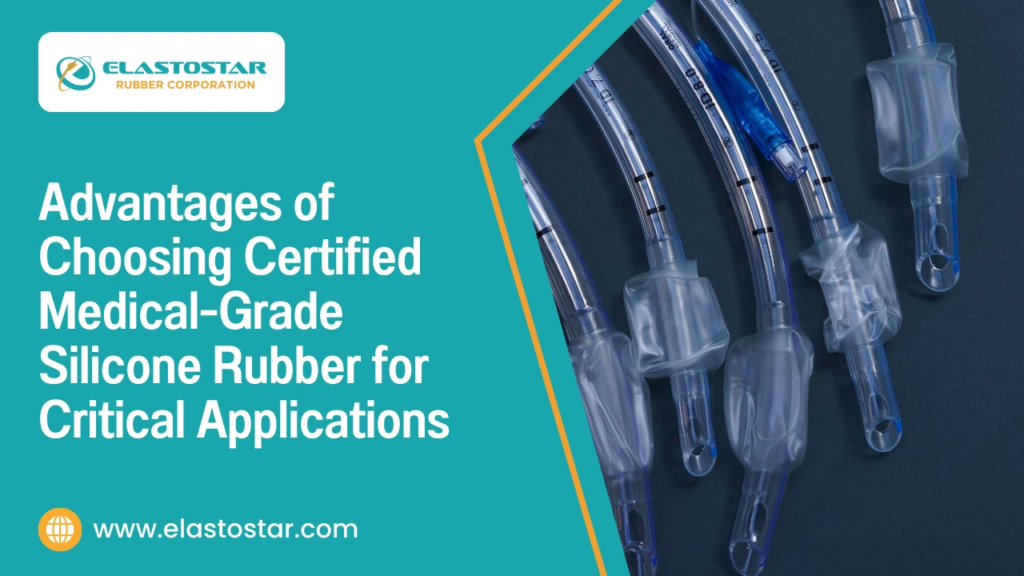
In critical industries such as healthcare, the choice of materials can significantly impact safety, reliability, and patient outcomes. A failure in a sealing mechanism or a material breakdown can lead to serious consequences, including compromised patient care and regulatory violations. In this context, **Medical-Grade Silicone Rubber** emerges as a vital material, recognized for its purity, durability, and adaptability in high-stakes applications.
Understanding Medical-Grade Silicone Rubber
**Medical-Grade Silicone Rubber** is a specialized elastomer designed for the medical field. Unlike standard silicone, it undergoes rigorous testing and controlled manufacturing processes to meet stringent healthcare standards. Key characteristics of medical-grade silicone include:
– **Biocompatibility**: Safe for contact with skin and, in certain cases, internal tissues.
– **Flexibility**: Retains elasticity even after extensive compression or bending.
– **Temperature Resistance**: Functions effectively in both freezing and high-heat sterilization conditions.
– **Chemical Stability**: Resists degradation from disinfectants and various medical fluids.
The distinction between general-purpose silicone and FDA-approved medical silicone rubber lies in certification and traceability. Medical-grade materials undergo tests for cytotoxicity, irritation, and sensitization, produced in environments designed to minimize contamination risks.
Advantages of Medical-Grade Silicone Rubber
The real benefits of **Medical-Grade Silicone Rubber** become evident in demanding healthcare applications. Its biocompatible nature reduces the risk of allergic reactions or tissue irritation, providing peace of mind for devices that are in prolonged contact with the body.
Moreover, medical components are often subjected to sterilization methods, including steam autoclaving, gamma radiation, and chemical disinfection. FDA-approved medical silicone rubber maintains both mechanical strength and elasticity throughout these processes, ensuring reliability under extreme conditions. Temperature fluctuations and environmental exposure do not easily compromise its integrity, making it a long-lasting choice that resists compression set and tearing.
The versatility of this material enables manufacturers to create custom medical silicone gaskets and seals that meet complex design requirements. Additionally, its hypoallergenic properties are crucial for wearable devices and skin-contact products, ensuring comfort along with durability.
Silicone components are prevalent in various medical devices such as catheters, respiratory masks, and implantable components. This material not only enhances comfort but also supports long-term performance. In laboratory settings, it helps maintain sterile barriers essential for infection control.
Beyond medical applications, the properties of medical-grade silicone are advantageous in other critical industries. For instance, in the food and beverage sector, material purity and temperature resistance are of utmost importance. Silicone that adheres to medical or food-contact standards provides an extra layer of safety assurance.
In automotive and aerospace sectors, the durability and resistance to heat and chemical exposure of medical-grade silicone support sealing and insulation systems in demanding conditions. Additionally, in electronics, particularly wearables, silicone offers electrical insulation and shock absorption while ensuring skin-contact safety.
While using medical-grade materials may involve a higher initial cost, the long-term benefits often outweigh the expenses. Reliable materials can reduce maintenance frequency, extend product lifespan, and minimize downtime. Utilizing FDA-approved medical silicone rubber also diminishes the risk of compliance issues and costly product recalls, leading to increased operational stability.
Choosing the right supplier is equally important to ensure the quality of medical-grade silicone. A reputable partner should provide verified certifications, strong quality control systems, and documented compliance. For manufacturers focused on developing specialized equipment, the ability to create custom medical silicone gaskets and seals is essential for achieving performance and compliance goals.
In conclusion, **Medical-Grade Silicone Rubber** is indispensable in critical applications where safety and compliance are paramount. Its exceptional resistance to sterilization, temperature extremes, and chemical exposure makes it a dependable choice across the healthcare sector and other regulated industries. Collaborating with established manufacturers like **Elastostar Rubber Corporation** can further enhance the benefits of certified materials, fostering product integrity and long-term reliability.
For those seeking to understand **Medical-Grade Silicone Rubber**, consider these frequently asked questions:
1. What qualifies silicone rubber as “medical-grade”?
2. Can medical-grade silicone endure repeated sterilization?
3. Is it safe for direct skin or tissue contact?
4. What certifications should be sought when sourcing medical-grade silicone?
5. How does silicone rubber outperform other elastomers in critical applications?
6. Can medical-grade silicone be utilized in food or pharmaceutical settings?
7. What is the expected lifespan of medical-grade silicone in demanding applications?
8. Are there temperature limitations for medical-grade silicone rubber?
9. Can custom shapes be manufactured using certified silicone rubber?
10. Why is compliance with ISO 10993 and USP Class VI vital?
With its unique properties and proven performance, medical-grade silicone rubber stands as a cornerstone in industries where human lives and safety are on the line.

Robinhood Stock Surges 2.5% in Early Trading on March 17

Israel Intensifies Strikes as Global Energy Crisis Looms

CALV Offers Class on Communication Skills for Real Estate Professionals

Historic Bideford Pub Reopens as The Patch Wine Bar & Kitchen

Oscar Night Celebrations: Winners, Guests, and Exclusive After-Parties

Samsung Galaxy Watch 9 Set for Larger Battery Boost, Report Reveals

Kibble vs. Fresh Dog Food: What’s Best for Your Dog’s Health?

Acclaimed San Francisco Pizzeria Del Popolo to Close in May

‘Invincible’ Season 4 Launches on Prime Video with Epic Action

ALMA Discovers Companion Orbiting Giant Red Star π 1 Gruis

Doctoral Candidate Trivanni Yadav Advances Battery Research at UTulsa

Global Air Forces Ranked by Annual Defense Budgets in 2025

Rev. Bry Shields to Retire as McGill-Toolen President in 2026

Mass Production of F-35 Fighter Jet Drives Down Costs

Tucson Celebrates Life and Remembrance at 36th Annual All Souls Procession

Gold Investment Surge: Top Mutual Funds and ETF Alternatives

DirecTV to Launch AI-Driven Ads with User Likenesses in 2026

Paul Giamatti Reveals Villainous Role in Star Trek: Starfleet Academy
-
 Science9 months ago
ALMA Discovers Companion Orbiting Giant Red Star π 1 Gruis
-
 Science8 months ago
Doctoral Candidate Trivanni Yadav Advances Battery Research at UTulsa
-
 World10 months ago
Global Air Forces Ranked by Annual Defense Budgets in 2025
-
 Lifestyle9 months ago
Rev. Bry Shields to Retire as McGill-Toolen President in 2026
-
 World10 months ago
Mass Production of F-35 Fighter Jet Drives Down Costs
-
 Lifestyle9 months ago
Tucson Celebrates Life and Remembrance at 36th Annual All Souls Procession
-
 Business10 months ago
Gold Investment Surge: Top Mutual Funds and ETF Alternatives
-
 Top Stories10 months ago
DirecTV to Launch AI-Driven Ads with User Likenesses in 2026
-
 Entertainment10 months ago
Paul Giamatti Reveals Villainous Role in Star Trek: Starfleet Academy
-

 Top Stories10 months ago
New ‘Star Trek: Voyager’ Game Demo Released, Players Test Limits
-

 Lifestyle8 months ago
Maumee’s Shop With a Hero Event Delivers Joy to Local Children
-

 Lifestyle7 months ago
Cape May Shines as New Jersey’s Only Entry on Beach Town List