
Science
Federal Review of Research Grants Sparks Cautious Optimism

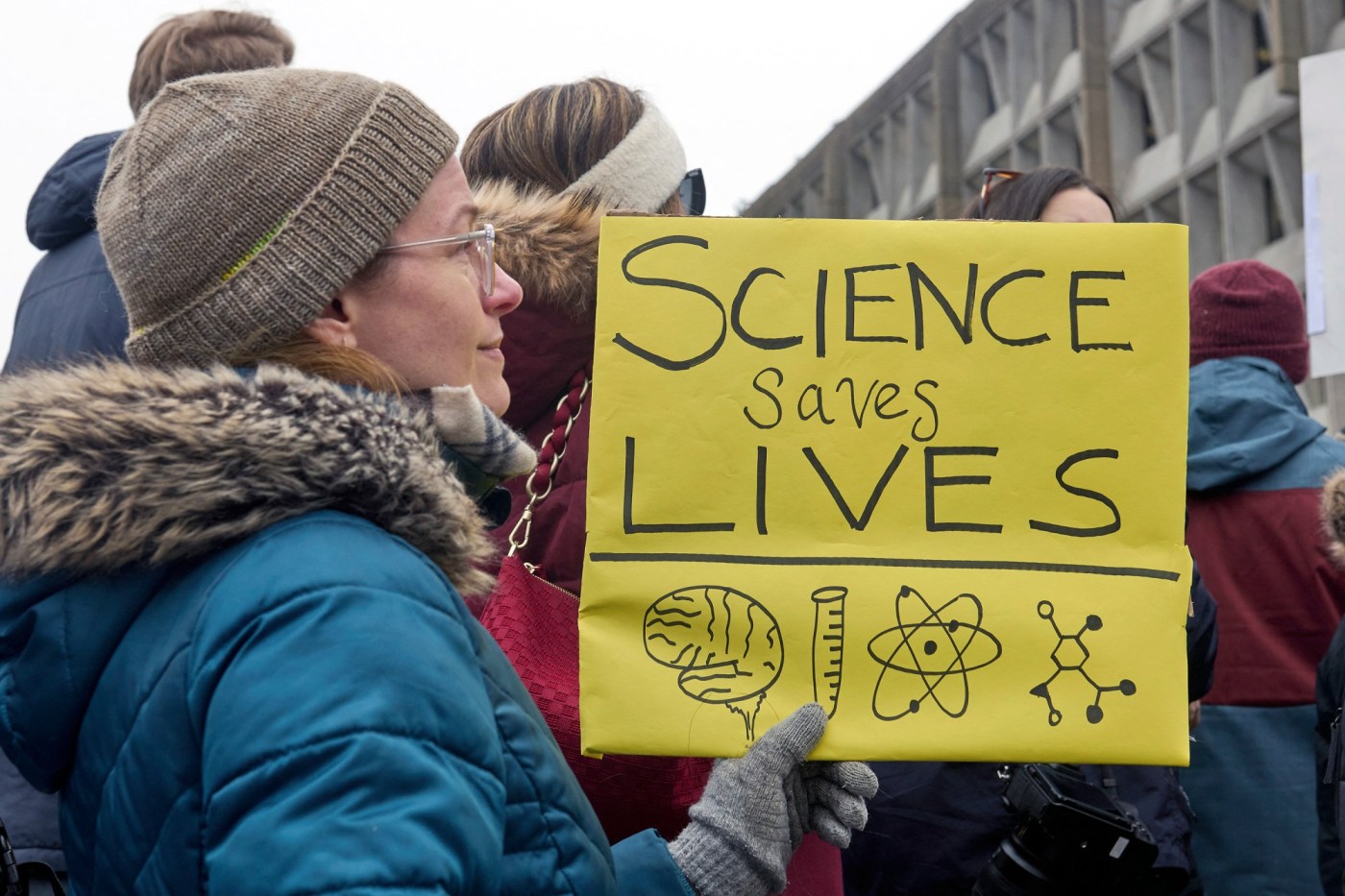
The Trump administration has agreed to reassess thousands of stalled science and medical research grant applications, a move that prompts cautious optimism among researchers and institutions. These applications, particularly those associated with the National Institutes of Health (NIH) and the National Science Foundation (NSF), were previously held up due to their relevance to diversity, equity, and inclusion. This decision could potentially pave the way for significant advancements in areas such as HIV prevention and Alzheimer’s disease research.
Among the institutions affected is the University of Washington (UW), which received $572 million from the NIH in 2024. Washington’s Attorney General, Nick Brown, has joined forces with 16 other state attorneys general in a lawsuit challenging the government’s prior actions that froze or terminated these critical grant applications.
Background of the Grant Hold-up
The previous administration’s stance on federal funding has raised concerns. During his first term, President Donald Trump proposed cutting $6.1 billion from NIH research funding, including $1 billion intended for cancer research. Bipartisan opposition in Congress ultimately halted these cuts, but the repercussions of his actions lingered.
In January 2025, Trump ordered a pause on federal grant applications, followed by reductions in funding for various research initiatives, including those focused on cancer treatments. These moves sparked numerous lawsuits from affected universities. Institutions like Cornell University, Columbia University, Brown University, and the University of Pennsylvania faced financial threats under the pretext of civil rights protection, with potential funding cuts amounting to millions.
Current Developments and Future Implications
Following discussions with state attorneys general, the NIH has begun reviewing hundreds of grant applications. Since last month’s agreement, 499 applications have received approval, indicating a renewed focus on moving forward.
Despite this progress, skepticism remains. The agreement does not guarantee funding for any of the stalled applications; it merely requires the NIH to consider them. While this movement is a positive sign, it is important to recognize that it took nearly a year and legal action to reach this stage.
In a nation that has long prided itself on advancements in medical and technological research, the prolonged delays in grant approvals underscore a troubling trend. As the situation develops, the hope is that the administration’s renewed focus on these applications will lead to meaningful support for vital research efforts.

Robinhood Stock Surges 2.5% in Early Trading on March 17

Israel Intensifies Strikes as Global Energy Crisis Looms

CALV Offers Class on Communication Skills for Real Estate Professionals

Historic Bideford Pub Reopens as The Patch Wine Bar & Kitchen

Oscar Night Celebrations: Winners, Guests, and Exclusive After-Parties

Samsung Galaxy Watch 9 Set for Larger Battery Boost, Report Reveals

Kibble vs. Fresh Dog Food: What’s Best for Your Dog’s Health?

Acclaimed San Francisco Pizzeria Del Popolo to Close in May

‘Invincible’ Season 4 Launches on Prime Video with Epic Action

ALMA Discovers Companion Orbiting Giant Red Star π 1 Gruis

Doctoral Candidate Trivanni Yadav Advances Battery Research at UTulsa

Global Air Forces Ranked by Annual Defense Budgets in 2025

Rev. Bry Shields to Retire as McGill-Toolen President in 2026

Mass Production of F-35 Fighter Jet Drives Down Costs

Tucson Celebrates Life and Remembrance at 36th Annual All Souls Procession

Gold Investment Surge: Top Mutual Funds and ETF Alternatives

DirecTV to Launch AI-Driven Ads with User Likenesses in 2026

Paul Giamatti Reveals Villainous Role in Star Trek: Starfleet Academy
-
 Science9 months ago
ALMA Discovers Companion Orbiting Giant Red Star π 1 Gruis
-
 Science8 months ago
Doctoral Candidate Trivanni Yadav Advances Battery Research at UTulsa
-
 World10 months ago
Global Air Forces Ranked by Annual Defense Budgets in 2025
-
 Lifestyle9 months ago
Rev. Bry Shields to Retire as McGill-Toolen President in 2026
-
 World10 months ago
Mass Production of F-35 Fighter Jet Drives Down Costs
-
 Lifestyle9 months ago
Tucson Celebrates Life and Remembrance at 36th Annual All Souls Procession
-
 Business10 months ago
Gold Investment Surge: Top Mutual Funds and ETF Alternatives
-
 Top Stories10 months ago
DirecTV to Launch AI-Driven Ads with User Likenesses in 2026
-
 Entertainment10 months ago
Paul Giamatti Reveals Villainous Role in Star Trek: Starfleet Academy
-

 Top Stories10 months ago
New ‘Star Trek: Voyager’ Game Demo Released, Players Test Limits
-

 Lifestyle8 months ago
Maumee’s Shop With a Hero Event Delivers Joy to Local Children
-

 Lifestyle7 months ago
Cape May Shines as New Jersey’s Only Entry on Beach Town List