
Science
Florida Startup Max Space Plans Single-Launch Space Station

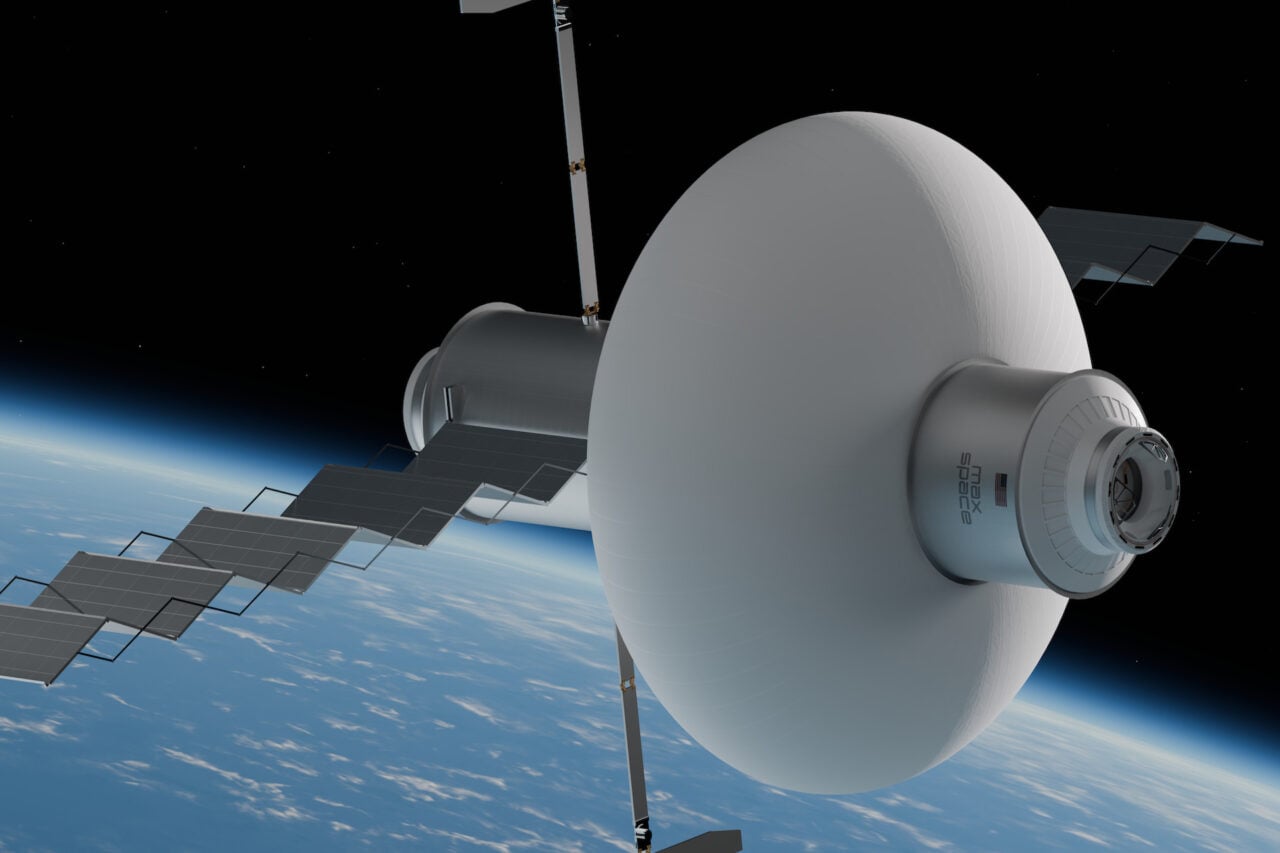
A Florida-based startup, Max Space, has announced its intention to launch a prototype of its commercial space station, named Thunderbird, by 2027. This innovative project seeks to demonstrate expandable habitat technology, significantly reducing the number of launches typically required to construct an orbital lab. Thunderbird is designed to expand to a volume of 12,360 cubic feet (approximately 350 cubic meters) once it reaches orbit.
The entire Thunderbird space station can be transported inside a single SpaceX Falcon 9 rocket, allowing for a more streamlined approach compared to traditional methods that involve multiple missions to assemble various modules. This week, Max Space disclosed plans to launch a small prototype named Mission Evolution during an early 2027 ride-share mission aboard a SpaceX rocket. This mission aims to test critical systems, including the station’s orbital debris protection and environmental control systems.
Innovative Approach to Space Habitats
Founded in 2023, Max Space originally intended to offer its expandable module technology to assist other entities in constructing their own space stations. However, a shift in strategy was prompted by NASA’s revised approach to its Commercial Low Earth Orbit Destinations (CLD) program. With the International Space Station scheduled for retirement by 2030, NASA is actively seeking commercial alternatives. Instead of fixed-price contracts, it now offers smaller, more affordable Space Act Agreements for the development and demonstration of commercial space stations.
“This was a clear opportunity for us to propose how these modules can effectively support human habitation,” stated Saleem Miyan, Chief Executive of Max Space, in an interview with SpaceNews.
The standout feature of Thunderbird is its expandable structure, which differs from conventional inflatable modules. The design incorporates soft elements for the interior and an adjustable layout that enables crew members to repurpose living spaces for various activities, including scientific experiments in low Earth orbit. The station is intended to accommodate four astronauts at all times, with a flexible interior that can adapt to support a variety of onboard tasks.
Future Prospects and Applications
The commercial space station is poised to serve multiple purposes, ranging from research to the orbital manufacturing of pharmaceuticals and other materials. Max Space is targeting a launch to orbit as early as 2029. Beyond its immediate applications, there are plans to configure Thunderbird for use as a habitat for astronauts exploring the Moon and Mars.
As commercial space exploration continues to evolve, Max Space’s innovative approach may pave the way for more efficient and versatile space habitats, aligning with the growing demand for sustainable and effective solutions in extraterrestrial environments.

Robinhood Stock Surges 2.5% in Early Trading on March 17

Israel Intensifies Strikes as Global Energy Crisis Looms

CALV Offers Class on Communication Skills for Real Estate Professionals

Historic Bideford Pub Reopens as The Patch Wine Bar & Kitchen

Oscar Night Celebrations: Winners, Guests, and Exclusive After-Parties

Samsung Galaxy Watch 9 Set for Larger Battery Boost, Report Reveals

Kibble vs. Fresh Dog Food: What’s Best for Your Dog’s Health?

Acclaimed San Francisco Pizzeria Del Popolo to Close in May

‘Invincible’ Season 4 Launches on Prime Video with Epic Action

ALMA Discovers Companion Orbiting Giant Red Star π 1 Gruis

Doctoral Candidate Trivanni Yadav Advances Battery Research at UTulsa

Global Air Forces Ranked by Annual Defense Budgets in 2025

Rev. Bry Shields to Retire as McGill-Toolen President in 2026

Mass Production of F-35 Fighter Jet Drives Down Costs

Tucson Celebrates Life and Remembrance at 36th Annual All Souls Procession

Gold Investment Surge: Top Mutual Funds and ETF Alternatives

DirecTV to Launch AI-Driven Ads with User Likenesses in 2026

Paul Giamatti Reveals Villainous Role in Star Trek: Starfleet Academy
-
 Science9 months ago
ALMA Discovers Companion Orbiting Giant Red Star π 1 Gruis
-
 Science8 months ago
Doctoral Candidate Trivanni Yadav Advances Battery Research at UTulsa
-
 World10 months ago
Global Air Forces Ranked by Annual Defense Budgets in 2025
-
 Lifestyle10 months ago
Rev. Bry Shields to Retire as McGill-Toolen President in 2026
-
 World10 months ago
Mass Production of F-35 Fighter Jet Drives Down Costs
-
 Lifestyle9 months ago
Tucson Celebrates Life and Remembrance at 36th Annual All Souls Procession
-
 Business10 months ago
Gold Investment Surge: Top Mutual Funds and ETF Alternatives
-
 Top Stories10 months ago
DirecTV to Launch AI-Driven Ads with User Likenesses in 2026
-
 Entertainment10 months ago
Paul Giamatti Reveals Villainous Role in Star Trek: Starfleet Academy
-

 Lifestyle8 months ago
Maumee’s Shop With a Hero Event Delivers Joy to Local Children
-

 Top Stories10 months ago
New ‘Star Trek: Voyager’ Game Demo Released, Players Test Limits
-

 Lifestyle8 months ago
Cape May Shines as New Jersey’s Only Entry on Beach Town List