
Science
Genetic Breakthrough Could Triple Wheat Crop Yields

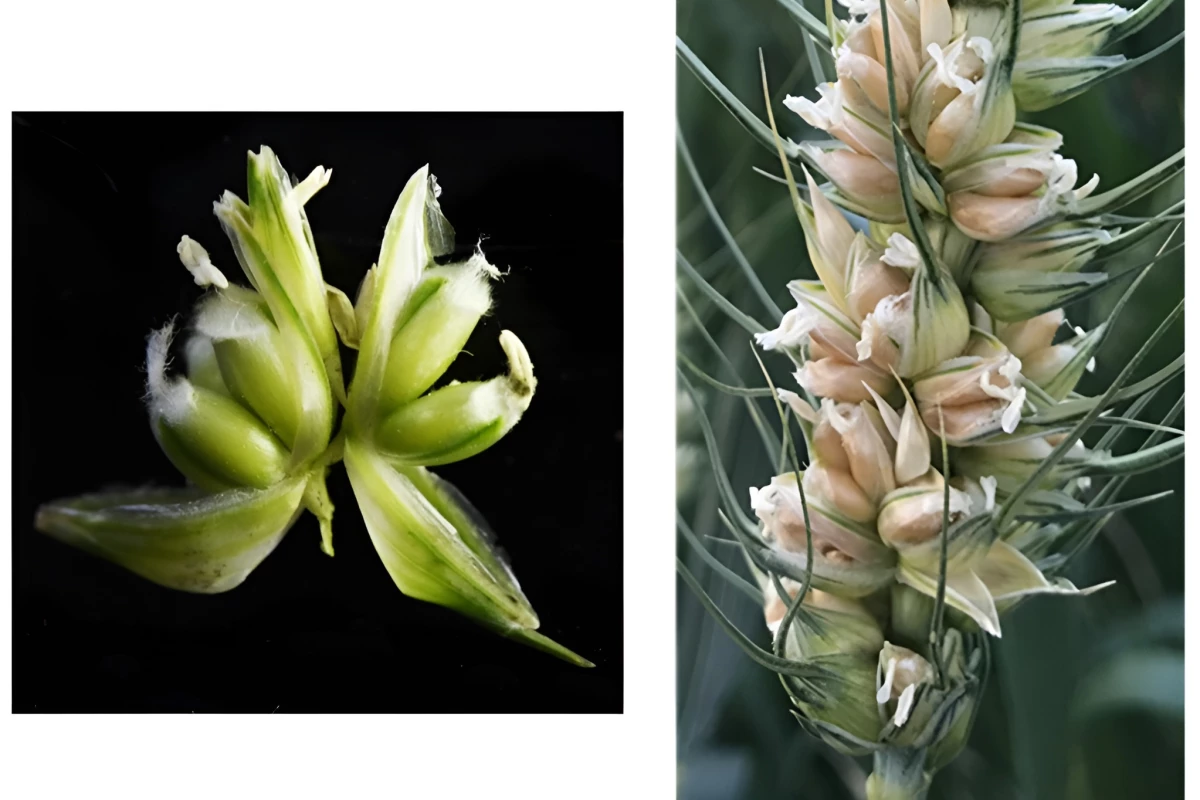
Scientists at the University of Maryland have made a significant breakthrough in wheat genetics that has the potential to triple grain yields from the same amount of land, water, and fertilizer. This advancement hinges on the discovery of a genetic mechanism in a mutant variety of wheat known as the multi-ovary (MOV) plant, which can produce multiple grains from each floret.
Typically, each floret in a standard wheat plant yields a single ovary and, consequently, one grain. However, the MOV variant can develop up to three ovaries per floret, significantly increasing grain production. Researchers have now identified the genetic basis for this trait, which could pave the way for breeding higher-yielding wheat crops.
Unlocking the Genetic Mechanism
In their research, the team meticulously mapped the DNA of MOV wheat and compared it with that of conventional bread wheat. They found that a previously dormant gene known as WUSCHEL-D1 (WUS-D1) becomes active in MOV wheat. This gene plays a crucial role in enhancing the development of additional female flower structures, such as pistils and ovaries.
By activating the WUS-D1 gene in cultivated wheat plants, breeders could potentially increase grain output significantly. According to Associate Professor Vijay Tiwari, co-author of the study, “Pinpointing the genetic basis of this trait offers a path for breeders to incorporate it into new wheat varieties, potentially increasing the number of grains per spike and overall yield.”
Implications for Agricultural Practices
This research, detailed in a recent publication in the Proceedings of the National Academy of Sciences, opens new avenues for enhancing wheat production globally. With the world’s population continuing to rise, the demand for food is more pressing than ever. The ability to produce more grain from existing agricultural resources could significantly impact food security.
Utilizing advanced gene editing techniques, researchers are now poised to further refine this trait, focusing on improving wheat yields to meet future demands. As agricultural challenges grow with climate change and resource limitations, this genetic discovery may well represent a vital step toward sustainable food production.

Robinhood Stock Surges 2.5% in Early Trading on March 17

Israel Intensifies Strikes as Global Energy Crisis Looms

CALV Offers Class on Communication Skills for Real Estate Professionals

Historic Bideford Pub Reopens as The Patch Wine Bar & Kitchen

Oscar Night Celebrations: Winners, Guests, and Exclusive After-Parties

Samsung Galaxy Watch 9 Set for Larger Battery Boost, Report Reveals

Kibble vs. Fresh Dog Food: What’s Best for Your Dog’s Health?

Acclaimed San Francisco Pizzeria Del Popolo to Close in May

‘Invincible’ Season 4 Launches on Prime Video with Epic Action

ALMA Discovers Companion Orbiting Giant Red Star π 1 Gruis

Doctoral Candidate Trivanni Yadav Advances Battery Research at UTulsa

Global Air Forces Ranked by Annual Defense Budgets in 2025

Rev. Bry Shields to Retire as McGill-Toolen President in 2026

Mass Production of F-35 Fighter Jet Drives Down Costs

Tucson Celebrates Life and Remembrance at 36th Annual All Souls Procession

Gold Investment Surge: Top Mutual Funds and ETF Alternatives

DirecTV to Launch AI-Driven Ads with User Likenesses in 2026

Paul Giamatti Reveals Villainous Role in Star Trek: Starfleet Academy
-
 Science9 months ago
ALMA Discovers Companion Orbiting Giant Red Star π 1 Gruis
-
 Science8 months ago
Doctoral Candidate Trivanni Yadav Advances Battery Research at UTulsa
-
 World10 months ago
Global Air Forces Ranked by Annual Defense Budgets in 2025
-
 Lifestyle9 months ago
Rev. Bry Shields to Retire as McGill-Toolen President in 2026
-
 World10 months ago
Mass Production of F-35 Fighter Jet Drives Down Costs
-
 Lifestyle9 months ago
Tucson Celebrates Life and Remembrance at 36th Annual All Souls Procession
-
 Business10 months ago
Gold Investment Surge: Top Mutual Funds and ETF Alternatives
-
 Top Stories10 months ago
DirecTV to Launch AI-Driven Ads with User Likenesses in 2026
-
 Entertainment10 months ago
Paul Giamatti Reveals Villainous Role in Star Trek: Starfleet Academy
-

 Top Stories10 months ago
New ‘Star Trek: Voyager’ Game Demo Released, Players Test Limits
-

 Lifestyle7 months ago
Cape May Shines as New Jersey’s Only Entry on Beach Town List
-

 Lifestyle8 months ago
Maumee’s Shop With a Hero Event Delivers Joy to Local Children