
Science
Harvard Lab Faces Backlash Over Jeffrey Epstein’s Tissue Samples

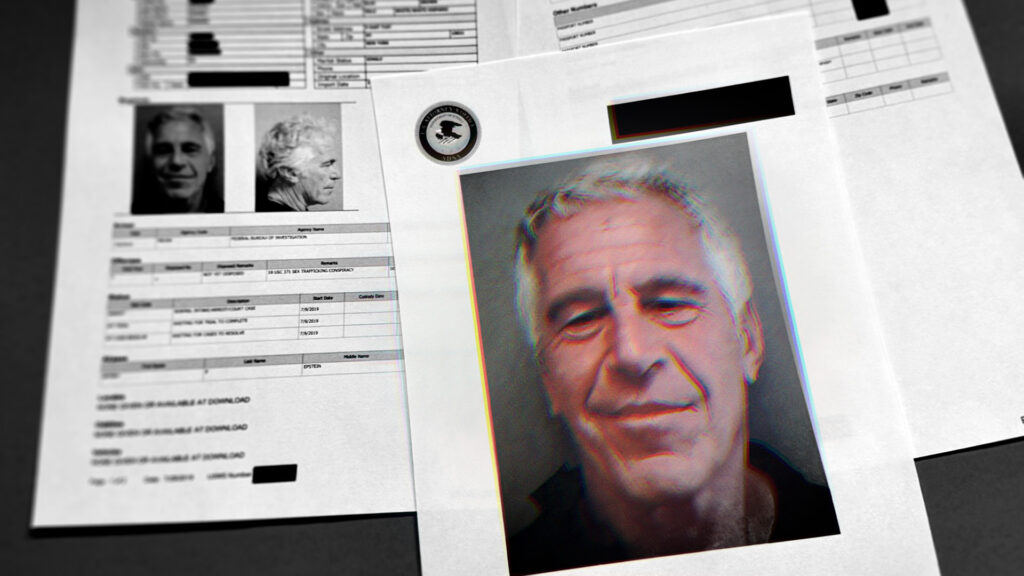
The revelation that a tissue sample from the late Jeffrey Epstein was prioritized for sequencing at Harvard Medical School has sparked significant controversy within the institution. The incident occurred in the summer of 2013, when a member of the Personal Genome Project (PGP) team suggested that Epstein’s blood sample, which had only recently arrived in the lab, should be sequenced ahead of others that had been stored for years. This request raised alarm among some team members, particularly Mad Ball, the project’s director of research at the time.
Upon discovering the identity of the sample’s donor, Ball felt compelled to act. Epstein, a registered sex offender, had faced numerous allegations of sexual assault involving minors. The team’s initial decision to prioritize Epstein’s sample led to a crisis within George Church‘s lab, prompting Ball to leave the premises in shock. “It looked like a quid pro quo sort of thing, which would have been upsetting but not super upsetting if it wasn’t a bad person but just a rich person. But this was a rich, bad person, and it looked awful,” Ball stated in an interview.
Historical Connections and Internal Pushback
Church’s connections to Epstein date back over twenty years, raising questions about the ethical implications of their collaboration. While the nature of their relationship has been publicly scrutinized, the internal response to Epstein’s involvement in the PGP had not been previously reported. Interviews with lab personnel and emails obtained by STAT reveal that the team successfully resisted any efforts to give Epstein’s sample preferential treatment.
This incident highlights a broader conversation about the ethical responsibilities of researchers and institutions when dealing with controversial figures. The internal pushback within Church’s lab underscores the importance of maintaining integrity in scientific research, especially when funding and collaboration involve individuals with questionable backgrounds.
New Evidence Raises Questions
Recent documents released by the Department of Justice indicate that Church received funding from Epstein or through his associates shortly after the 2013 incident. This revelation has intensified scrutiny around the decisions made within the lab and the extent of Church’s awareness of Epstein’s activities at that time.
The implications of this incident extend beyond the lab, contributing to ongoing discussions about the intersection of science, ethics, and funding sources. As institutions like Harvard navigate these complexities, the fallout from Epstein’s involvement in the PGP serves as a cautionary tale about the consequences of prioritizing funding over ethical considerations.
This story continues to evolve, as further investigations may uncover more details about the nature of Epstein’s influence on scientific endeavors and the ethical dilemmas faced by researchers when accepting support from controversial figures.

Robinhood Stock Surges 2.5% in Early Trading on March 17

Israel Intensifies Strikes as Global Energy Crisis Looms

CALV Offers Class on Communication Skills for Real Estate Professionals

Historic Bideford Pub Reopens as The Patch Wine Bar & Kitchen

Oscar Night Celebrations: Winners, Guests, and Exclusive After-Parties

Samsung Galaxy Watch 9 Set for Larger Battery Boost, Report Reveals

Kibble vs. Fresh Dog Food: What’s Best for Your Dog’s Health?

Acclaimed San Francisco Pizzeria Del Popolo to Close in May

‘Invincible’ Season 4 Launches on Prime Video with Epic Action

ALMA Discovers Companion Orbiting Giant Red Star π 1 Gruis

Doctoral Candidate Trivanni Yadav Advances Battery Research at UTulsa

Global Air Forces Ranked by Annual Defense Budgets in 2025

Rev. Bry Shields to Retire as McGill-Toolen President in 2026

Mass Production of F-35 Fighter Jet Drives Down Costs

Tucson Celebrates Life and Remembrance at 36th Annual All Souls Procession

Gold Investment Surge: Top Mutual Funds and ETF Alternatives

DirecTV to Launch AI-Driven Ads with User Likenesses in 2026

Paul Giamatti Reveals Villainous Role in Star Trek: Starfleet Academy
-
 Science9 months ago
ALMA Discovers Companion Orbiting Giant Red Star π 1 Gruis
-
 Science8 months ago
Doctoral Candidate Trivanni Yadav Advances Battery Research at UTulsa
-
 World10 months ago
Global Air Forces Ranked by Annual Defense Budgets in 2025
-
 Lifestyle9 months ago
Rev. Bry Shields to Retire as McGill-Toolen President in 2026
-
 World10 months ago
Mass Production of F-35 Fighter Jet Drives Down Costs
-
 Lifestyle9 months ago
Tucson Celebrates Life and Remembrance at 36th Annual All Souls Procession
-
 Business10 months ago
Gold Investment Surge: Top Mutual Funds and ETF Alternatives
-
 Top Stories10 months ago
DirecTV to Launch AI-Driven Ads with User Likenesses in 2026
-
 Entertainment10 months ago
Paul Giamatti Reveals Villainous Role in Star Trek: Starfleet Academy
-

 Top Stories10 months ago
New ‘Star Trek: Voyager’ Game Demo Released, Players Test Limits
-

 Lifestyle8 months ago
Maumee’s Shop With a Hero Event Delivers Joy to Local Children
-

 Lifestyle7 months ago
Cape May Shines as New Jersey’s Only Entry on Beach Town List