
Science
Humanoid Robots Set to Transform Markets, But Challenges Ahead

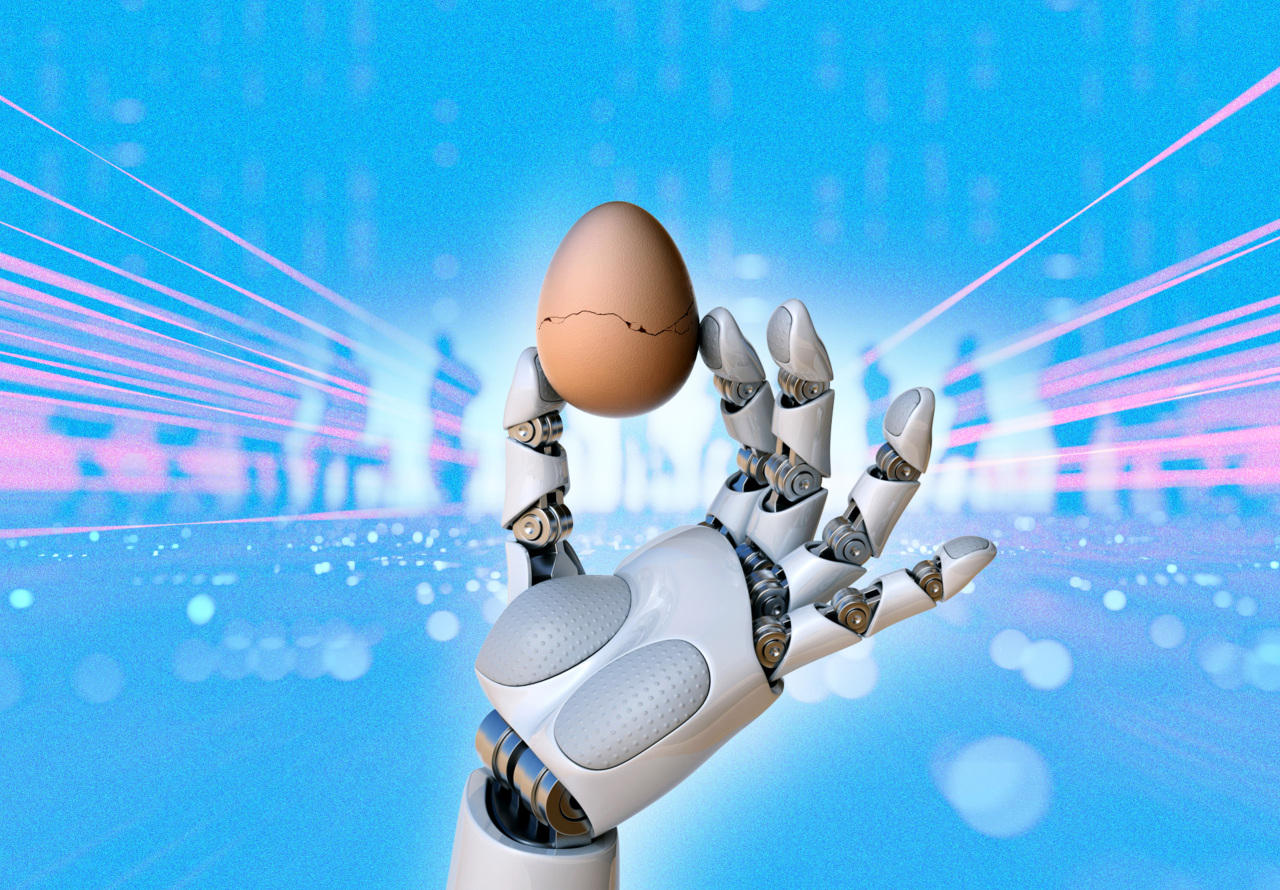
The anticipated rise of humanoid robots promises to reshape various industries, potentially creating a market valued at an astonishing $5 trillion. Despite this promising outlook, experts caution that significant advancements and time are required before these robots can be fully integrated into everyday life.
According to a report by the International Federation of Robotics, the market for humanoid robots is predicted to grow significantly. This growth is fueled by advancements in artificial intelligence, machine learning, and robotics technology. Companies such as Boston Dynamics and SoftBank Robotics are at the forefront of this revolution, developing robots that can perform tasks ranging from customer service to complex manual labor.
Challenges Ahead for Humanoid Robots
While the financial prospects are encouraging, several critical challenges remain. Innovation in robotic technology has not yet reached a level where humanoid robots can operate autonomously and efficiently in diverse environments. Current models, although impressive, often struggle with basic tasks that humans execute with ease.
For instance, Stanford University’s research highlights that humanoid robots still face difficulties in navigating unpredictable environments, which limits their practical application. As of 2022, most humanoid robots require extensive programming and supervision to operate effectively. This reliance on human oversight presents a barrier to widespread adoption.
Additionally, the cost of developing and maintaining these advanced robots is substantial. Industry experts estimate that the average humanoid robot can cost between $100,000 and $500,000, making them a significant investment for most companies. This high price point can deter smaller businesses from adopting these technologies, limiting the overall market growth.
Future Prospects and Innovations
Despite these challenges, the future remains bright for humanoid robots. The technology is rapidly advancing, with ongoing research focused on improving their capabilities. Innovations in AI are expected to enhance robots’ learning abilities, allowing them to adapt to new environments and tasks more efficiently.
Furthermore, as industries increasingly seek automation to reduce labor costs and improve efficiency, the demand for humanoid robots is likely to rise. According to industry predictions, by 2025, we may see a marked increase in the deployment of humanoid robots in sectors such as healthcare, hospitality, and manufacturing.
In conclusion, while a humanoid-robot revolution is on the horizon, it will take time and significant advancements before these machines can fulfill their potential. With ongoing innovations and a growing market, the evolution of humanoid robots is a development to watch closely. The journey may be long, but the promise of a transformed market is undeniable.

Robinhood Stock Surges 2.5% in Early Trading on March 17

Israel Intensifies Strikes as Global Energy Crisis Looms

CALV Offers Class on Communication Skills for Real Estate Professionals

Historic Bideford Pub Reopens as The Patch Wine Bar & Kitchen

Oscar Night Celebrations: Winners, Guests, and Exclusive After-Parties

Samsung Galaxy Watch 9 Set for Larger Battery Boost, Report Reveals

Kibble vs. Fresh Dog Food: What’s Best for Your Dog’s Health?

Acclaimed San Francisco Pizzeria Del Popolo to Close in May

‘Invincible’ Season 4 Launches on Prime Video with Epic Action

ALMA Discovers Companion Orbiting Giant Red Star π 1 Gruis

Doctoral Candidate Trivanni Yadav Advances Battery Research at UTulsa

Global Air Forces Ranked by Annual Defense Budgets in 2025

Rev. Bry Shields to Retire as McGill-Toolen President in 2026

Mass Production of F-35 Fighter Jet Drives Down Costs

Tucson Celebrates Life and Remembrance at 36th Annual All Souls Procession

Gold Investment Surge: Top Mutual Funds and ETF Alternatives

DirecTV to Launch AI-Driven Ads with User Likenesses in 2026

Paul Giamatti Reveals Villainous Role in Star Trek: Starfleet Academy
-
 Science9 months ago
ALMA Discovers Companion Orbiting Giant Red Star π 1 Gruis
-
 Science9 months ago
Doctoral Candidate Trivanni Yadav Advances Battery Research at UTulsa
-
 World10 months ago
Global Air Forces Ranked by Annual Defense Budgets in 2025
-
 Lifestyle10 months ago
Rev. Bry Shields to Retire as McGill-Toolen President in 2026
-
 World10 months ago
Mass Production of F-35 Fighter Jet Drives Down Costs
-
 Lifestyle9 months ago
Tucson Celebrates Life and Remembrance at 36th Annual All Souls Procession
-
 Business10 months ago
Gold Investment Surge: Top Mutual Funds and ETF Alternatives
-
 Top Stories10 months ago
DirecTV to Launch AI-Driven Ads with User Likenesses in 2026
-
 Entertainment10 months ago
Paul Giamatti Reveals Villainous Role in Star Trek: Starfleet Academy
-

 Lifestyle8 months ago
Maumee’s Shop With a Hero Event Delivers Joy to Local Children
-

 Lifestyle8 months ago
Cape May Shines as New Jersey’s Only Entry on Beach Town List
-

 Top Stories10 months ago
New ‘Star Trek: Voyager’ Game Demo Released, Players Test Limits