
Science
Jellyfish and Sea Anemones Exhibit Sleep Patterns Similar to Humans

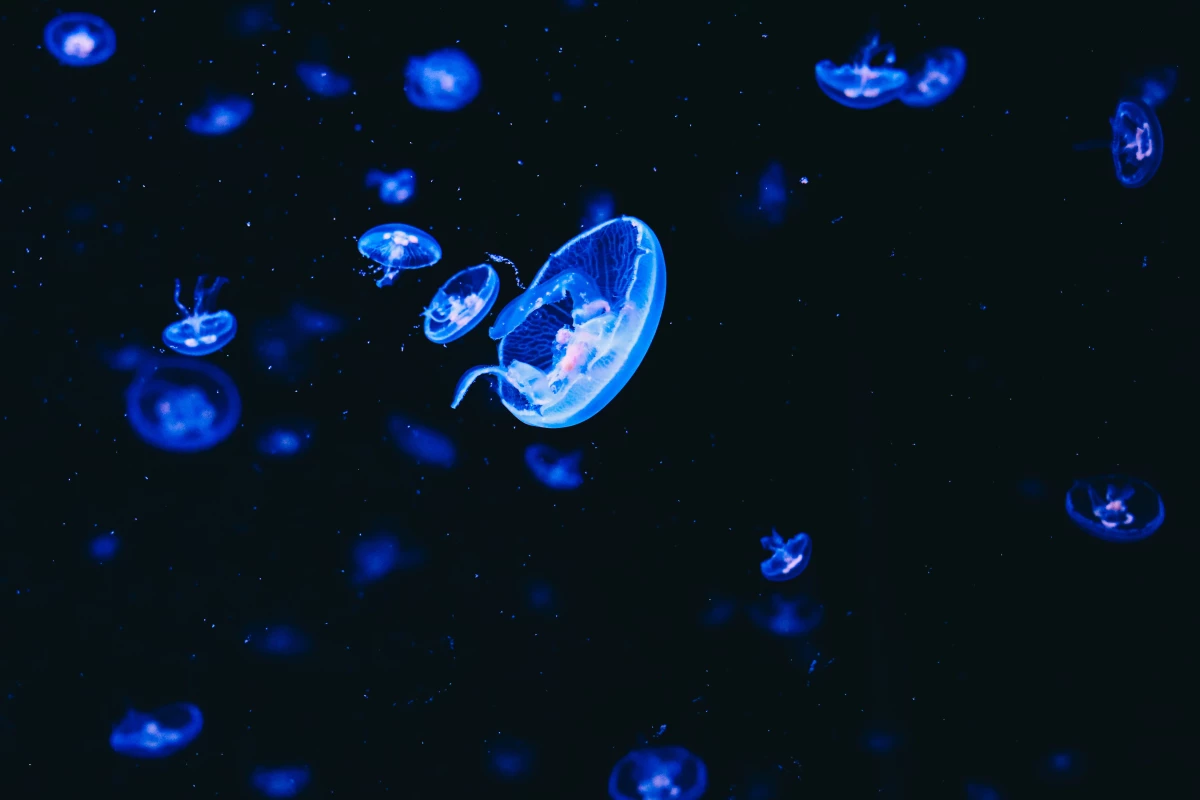
A recent study reveals that jellyfish and sea anemones have sleep patterns strikingly similar to humans, sleeping for about one-third of their day. Published in the journal Nature Communications, the research indicates that these ancient creatures, which possess a nervous system but lack a brain, engage in sleep for cellular recovery and maintenance.
Neurobiologist Lior Appelbaum from Bar-Ilan University led the study, which showed that jellyfish, particularly the upside-down jellyfish known as Cassiopea andromeda, and the starlet sea anemone, Nematostella vectensis, undergo sleep-like states. Appelbaum stated, “Sleep is important even for animals without a brain. It helps them recover from cellular stress and carry out cellular maintenance.”
Understanding the reasons behind sleep remains a significant challenge for scientists. While sleep is observed across many animal species, its evolutionary purpose continues to be debated. The vulnerability of animals during sleep raises questions about its benefits versus risks.
To investigate the evolutionary origins of sleep, Appelbaum’s team monitored the activity patterns of both jellyfish and sea anemones using infrared cameras and movement-tracking software. The study followed a typical 24-hour cycle, encompassing 12 hours of light and 12 hours of darkness.
Findings showed that jellyfish are primarily active during daylight, sleep at night, and even take midday naps, mirroring human behavior. Conversely, sea anemones are more active at night, resting in the early morning. Appelbaum noted, “What was surprising was that both animals sleep approximately eight hours, which is interesting because we also sleep approximately one-third of our lives.”
To confirm sleep rather than mere rest, the researchers assessed the animals’ responses to stimuli such as light or food during inactive periods. Appelbaum classified a sleep-like state in jellyfish as exhibiting fewer than 37 pulses per minute for more than three minutes, while sea anemones demonstrated stillness for eight minutes or more.
The study delves deeper into the underlying mechanisms driving sleep. Previous research suggested that increased DNA damage in nerve cells could prompt sleep in zebrafish. Extending this concept, the team exposed jellyfish and sea anemones to ultraviolet (UV) radiation and other chemicals known to cause DNA damage. They also introduced subtle disruptions, such as water pulses, to deprive the animals of sleep.
Appelbaum observed that DNA damage escalated during wakefulness and diminished during sleep, indicating that both jellyfish and sea anemones responded to DNA damage by increasing their sleep duration. This suggests that sleep plays a crucial role in cellular repair processes. Appelbaum concluded, “Sleep evolved way before the brain – it’s essential for cells, cellular maintenance, and neurons.”
This groundbreaking research not only sheds light on the sleep behaviors of these ancient marine creatures but also raises important questions about the fundamental nature of sleep across the animal kingdom.

Robinhood Stock Surges 2.5% in Early Trading on March 17

Israel Intensifies Strikes as Global Energy Crisis Looms

CALV Offers Class on Communication Skills for Real Estate Professionals

Historic Bideford Pub Reopens as The Patch Wine Bar & Kitchen

Oscar Night Celebrations: Winners, Guests, and Exclusive After-Parties

Samsung Galaxy Watch 9 Set for Larger Battery Boost, Report Reveals

Kibble vs. Fresh Dog Food: What’s Best for Your Dog’s Health?

Acclaimed San Francisco Pizzeria Del Popolo to Close in May

‘Invincible’ Season 4 Launches on Prime Video with Epic Action

ALMA Discovers Companion Orbiting Giant Red Star π 1 Gruis

Doctoral Candidate Trivanni Yadav Advances Battery Research at UTulsa

Global Air Forces Ranked by Annual Defense Budgets in 2025

Rev. Bry Shields to Retire as McGill-Toolen President in 2026

Mass Production of F-35 Fighter Jet Drives Down Costs

Tucson Celebrates Life and Remembrance at 36th Annual All Souls Procession

Gold Investment Surge: Top Mutual Funds and ETF Alternatives

DirecTV to Launch AI-Driven Ads with User Likenesses in 2026

Paul Giamatti Reveals Villainous Role in Star Trek: Starfleet Academy
-
 Science9 months ago
ALMA Discovers Companion Orbiting Giant Red Star π 1 Gruis
-
 Science8 months ago
Doctoral Candidate Trivanni Yadav Advances Battery Research at UTulsa
-
 World10 months ago
Global Air Forces Ranked by Annual Defense Budgets in 2025
-
 Lifestyle9 months ago
Rev. Bry Shields to Retire as McGill-Toolen President in 2026
-
 World10 months ago
Mass Production of F-35 Fighter Jet Drives Down Costs
-
 Lifestyle9 months ago
Tucson Celebrates Life and Remembrance at 36th Annual All Souls Procession
-
 Business10 months ago
Gold Investment Surge: Top Mutual Funds and ETF Alternatives
-
 Top Stories10 months ago
DirecTV to Launch AI-Driven Ads with User Likenesses in 2026
-
 Entertainment10 months ago
Paul Giamatti Reveals Villainous Role in Star Trek: Starfleet Academy
-

 Top Stories10 months ago
New ‘Star Trek: Voyager’ Game Demo Released, Players Test Limits
-

 Lifestyle8 months ago
Maumee’s Shop With a Hero Event Delivers Joy to Local Children
-
 Lifestyle7 months ago
Cape May Shines as New Jersey’s Only Entry on Beach Town List