
Science
Lund University Researchers Transform Glial Cells into Neurons

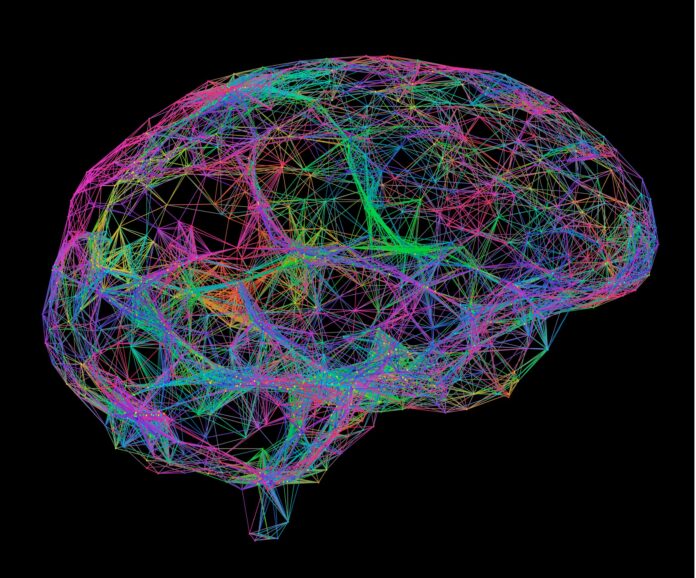
Research from Lund University has made significant strides in the field of neuroscience by successfully reprogramming human glial cells into parvalbumin (PV) interneurons. This breakthrough, detailed in a study published in Science Advances, offers new hope for repairing brain networks affected by disorders such as schizophrenia and epilepsy.
PV interneurons play a crucial role in maintaining the brain’s excitation-inhibition balance, which is essential for stable cortical network function. When these cells are compromised, cognitive and behavioral issues can arise. Despite their importance, generating PV interneurons in the laboratory has proven challenging, with many studies highlighting difficulties in producing these specific cell types from stem cell or fetal sources.
The research team, led by Daniella Rylander Ottosson, PhD, senior author and researcher in regenerative neurophysiology, developed a method that directly converts glial cells into PV interneurons without the need for an intermediate stem-cell stage. This novel approach builds upon their previous work and enhances the understanding of the lineage transitions that define PV identity.
Breakthrough Methodology
The researchers utilized human stem-cell-derived glial progenitor cells, known as hGPCs, and introduced a defined set of five transcription factors: Ascl1, DLX5, LHX6, Sox2, and FOXG1. Within a matter of weeks, the glial cells transformed into neurons, adopting characteristics typical of inhibitory interneurons. This transformation occurred significantly faster than traditional stem-cell differentiation methods.
Single-nucleus RNA sequencing revealed that the reprogrammed cells progressed through various developmental states, ultimately forming multiple neuronal clusters, including a robust population enriched in PV interneurons. These cells exhibited molecular signatures typical of chandelier cells, a subtype of PV interneurons known for their role in regulating synaptic activity.
The analysis also identified a previously uncharacterized lineage trajectory leading to the PV fate, featuring dynamic gene programs critical for establishing the chandelier-cell phenotype. This discovery addresses a long-standing challenge in efficiently producing subtype-specific PV interneurons.
Implications for Neurobiology and Future Research
The ability to directly reprogram glial cells into PV interneurons represents a promising avenue for repairing inhibitory circuits affected by neurological and psychiatric disorders. Glial cells are abundant and proliferative within the brain, making them an ideal target for reprogramming approaches. The authors note that transitioning this technique to human systems has been a challenge due to the late development of hGPCs.
The researchers overcame this obstacle by employing a stem-cell-derived hGPC protocol that produces oligodendrocyte precursor-like cells, which have shown potential for conversion into interneurons.
The identification of PV-specific lineage pathways and key genes opens new possibilities for refining reprogramming strategies. As the field of brain cell engineering progresses, the rapid and reproducible generation of mature human PV interneurons may become a cornerstone for future therapies aimed at repairing damaged neural circuits.
This research paves the way for advancements in treating conditions linked to dysfunctional inhibitory networks, potentially transforming approaches to mental health and neurological care.

Robinhood Stock Surges 2.5% in Early Trading on March 17

Israel Intensifies Strikes as Global Energy Crisis Looms

CALV Offers Class on Communication Skills for Real Estate Professionals

Historic Bideford Pub Reopens as The Patch Wine Bar & Kitchen

Oscar Night Celebrations: Winners, Guests, and Exclusive After-Parties

Samsung Galaxy Watch 9 Set for Larger Battery Boost, Report Reveals

Kibble vs. Fresh Dog Food: What’s Best for Your Dog’s Health?

Acclaimed San Francisco Pizzeria Del Popolo to Close in May

‘Invincible’ Season 4 Launches on Prime Video with Epic Action

ALMA Discovers Companion Orbiting Giant Red Star π 1 Gruis

Doctoral Candidate Trivanni Yadav Advances Battery Research at UTulsa

Global Air Forces Ranked by Annual Defense Budgets in 2025

Rev. Bry Shields to Retire as McGill-Toolen President in 2026

Mass Production of F-35 Fighter Jet Drives Down Costs

Tucson Celebrates Life and Remembrance at 36th Annual All Souls Procession

Gold Investment Surge: Top Mutual Funds and ETF Alternatives

DirecTV to Launch AI-Driven Ads with User Likenesses in 2026

Paul Giamatti Reveals Villainous Role in Star Trek: Starfleet Academy
-
 Science9 months ago
ALMA Discovers Companion Orbiting Giant Red Star π 1 Gruis
-
 Science8 months ago
Doctoral Candidate Trivanni Yadav Advances Battery Research at UTulsa
-
 World10 months ago
Global Air Forces Ranked by Annual Defense Budgets in 2025
-
 Lifestyle10 months ago
Rev. Bry Shields to Retire as McGill-Toolen President in 2026
-
 World10 months ago
Mass Production of F-35 Fighter Jet Drives Down Costs
-
 Lifestyle9 months ago
Tucson Celebrates Life and Remembrance at 36th Annual All Souls Procession
-
 Business10 months ago
Gold Investment Surge: Top Mutual Funds and ETF Alternatives
-
 Top Stories10 months ago
DirecTV to Launch AI-Driven Ads with User Likenesses in 2026
-
 Entertainment10 months ago
Paul Giamatti Reveals Villainous Role in Star Trek: Starfleet Academy
-

 Lifestyle8 months ago
Maumee’s Shop With a Hero Event Delivers Joy to Local Children
-

 Top Stories10 months ago
New ‘Star Trek: Voyager’ Game Demo Released, Players Test Limits
-

 Lifestyle8 months ago
Cape May Shines as New Jersey’s Only Entry on Beach Town List