
Science
Reflecting on Identity: The Impact of Bias in Foreign Policy

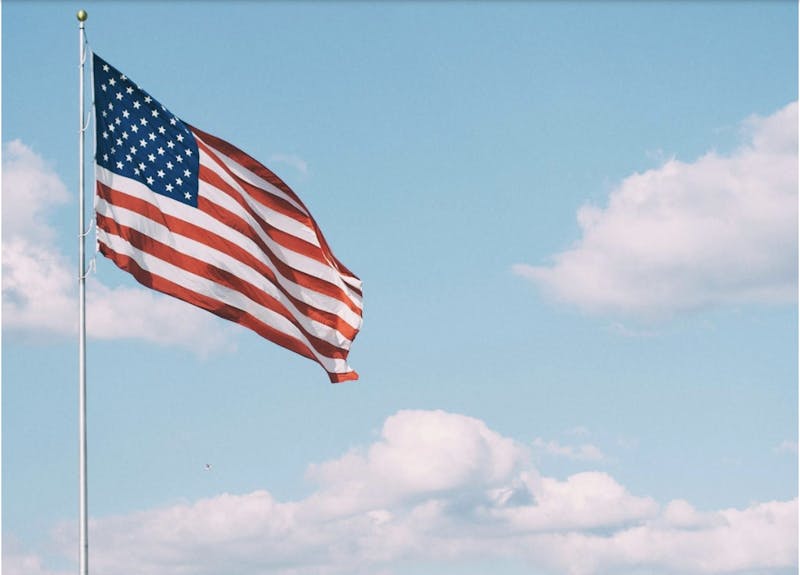
A recent conversation at Johns Hopkins University has prompted a deep reflection on personal identity and bias in foreign policy discussions. Bryce Leiberman, a freshman studying Political Science and Philosophy, shared an experience that has led him to question how his American identity influences his perspective, particularly regarding complex global issues such as the Iraq War.
In his foreign policy paper on the Iraq War, Leiberman found himself using the term “we” when discussing America’s actions during the conflict. This choice of pronoun caught the attention of a friend, who pointed out the implications of such language. The interaction left Leiberman contemplating his sense of belonging and the inherent biases that come with it.
Understanding Identity and Bias
Leiberman’s reflection highlights a crucial aspect of identity—how it shapes our understanding of events, especially those that occurred before our lifetimes. He noted that referring to America as “we” implied a personal connection to the actions taken during the war, even though he was not directly involved. This moment of realization became a catalyst for understanding the complexities of American identity and its impact on discussions about foreign policy.
The concept of identity is multifaceted, encompassing physical, psychological, and social characteristics. As Leiberman articulated, the tendency to align oneself with a national identity can create a divide between “us” and “them,” which is particularly significant in a diverse academic environment like Hopkins. He acknowledged that being proud of one’s nationality does not equate to endorsing all actions taken by that nation.
Leiberman emphasized the difference between national pride and blind allegiance. He noted that the symbols of American nationalism—such as the bald eagle and “Don’t Tread on Me” signs—might distort the understanding of complex issues like the Iraq War. It is essential to recognize that pride should not cloud critical analysis, especially when engaging in discussions with peers from different backgrounds.
The Implications of Teamsmanship
Leiberman’s insights also delve into the dynamics of group identity. He explained that teamsmanship, whether in sports, politics, or geography, can create cohesive communities but also foster tribalism. This division often leads individuals to conflate their identities with those of the groups they belong to, resulting in a lack of critical perspective on broader issues.
He pointed out that while Americans are not a monolith, there is a tendency to view national identity as singular. This perception can hinder meaningful dialogue and understanding, particularly on contentious subjects like security policy. Leiberman urged the importance of recognizing these biases and adjusting one’s mental framework to foster clearer communication and understanding.
In conclusion, Leiberman’s reflections serve as a reminder of the complex interplay between identity and bias in discussions about foreign policy. By acknowledging the inherent biases that come with American identity, individuals can strive for a more nuanced understanding of global issues, paving the way for more informed and empathetic discussions. As he continues his academic journey, Leiberman remains committed to exploring these themes and seeking a deeper understanding of himself and the world around him.

Robinhood Stock Surges 2.5% in Early Trading on March 17

Israel Intensifies Strikes as Global Energy Crisis Looms

CALV Offers Class on Communication Skills for Real Estate Professionals

Historic Bideford Pub Reopens as The Patch Wine Bar & Kitchen

Oscar Night Celebrations: Winners, Guests, and Exclusive After-Parties

Samsung Galaxy Watch 9 Set for Larger Battery Boost, Report Reveals

Kibble vs. Fresh Dog Food: What’s Best for Your Dog’s Health?

Acclaimed San Francisco Pizzeria Del Popolo to Close in May

‘Invincible’ Season 4 Launches on Prime Video with Epic Action

ALMA Discovers Companion Orbiting Giant Red Star π 1 Gruis

Doctoral Candidate Trivanni Yadav Advances Battery Research at UTulsa

Global Air Forces Ranked by Annual Defense Budgets in 2025

Rev. Bry Shields to Retire as McGill-Toolen President in 2026

Mass Production of F-35 Fighter Jet Drives Down Costs

Tucson Celebrates Life and Remembrance at 36th Annual All Souls Procession

Gold Investment Surge: Top Mutual Funds and ETF Alternatives

DirecTV to Launch AI-Driven Ads with User Likenesses in 2026

Paul Giamatti Reveals Villainous Role in Star Trek: Starfleet Academy
-
 Science9 months ago
ALMA Discovers Companion Orbiting Giant Red Star π 1 Gruis
-
 Science8 months ago
Doctoral Candidate Trivanni Yadav Advances Battery Research at UTulsa
-
 World10 months ago
Global Air Forces Ranked by Annual Defense Budgets in 2025
-
 Lifestyle10 months ago
Rev. Bry Shields to Retire as McGill-Toolen President in 2026
-
 World10 months ago
Mass Production of F-35 Fighter Jet Drives Down Costs
-
 Lifestyle9 months ago
Tucson Celebrates Life and Remembrance at 36th Annual All Souls Procession
-
 Business10 months ago
Gold Investment Surge: Top Mutual Funds and ETF Alternatives
-
 Top Stories10 months ago
DirecTV to Launch AI-Driven Ads with User Likenesses in 2026
-
 Entertainment10 months ago
Paul Giamatti Reveals Villainous Role in Star Trek: Starfleet Academy
-

 Top Stories10 months ago
New ‘Star Trek: Voyager’ Game Demo Released, Players Test Limits
-

 Lifestyle8 months ago
Maumee’s Shop With a Hero Event Delivers Joy to Local Children
-

 Lifestyle8 months ago
Cape May Shines as New Jersey’s Only Entry on Beach Town List