
Science
Researchers Uncover Misidentified Fossils Mistaken for Mammoth

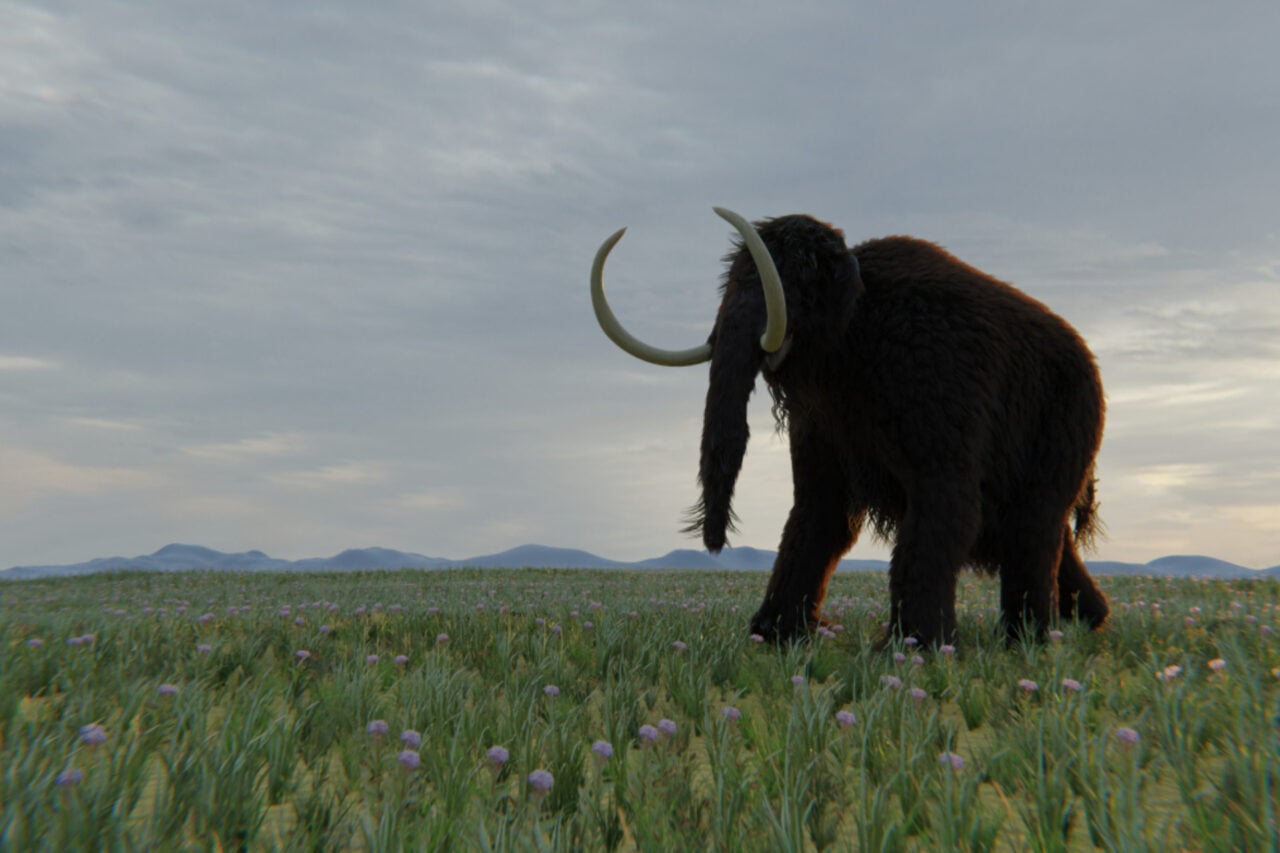
A recent investigation has revealed that fossils long thought to belong to a woolly mammoth are, in fact, the remains of two whales. This significant misidentification occurred at the University of Alaska Museum of the North, where the fossils were stored for over 70 years. The two epiphyseal plates were discovered in Alaska in **1951**, initially attributed to the now-extinct species.
Researchers led by Matthew Wooller from the University of Alaska Fairbanks conducted radiocarbon dating on the fossils, unveiling their true nature. The analysis confirmed that the remains date back only **2,000 to 3,000 years**, while woolly mammoths disappeared approximately **10,000 years ago**, with a few populations surviving until about **4,000 years ago**.
Museum Program Sparks Investigation
The misattributed fossils came under scrutiny thanks to the museum’s Adopt-a-Mammoth program, which invites the public to select a woolly mammoth fossil for further testing. Researchers initially believed they were studying mammoth remains, but subsequent tests indicated otherwise.
After determining the age of the fossils, the team employed stable isotope analysis to examine the specimens’ dietary history and migratory patterns. Results showed elevated nitrogen and carbon levels, aligning more closely with marine species rather than terrestrial herbivores like the woolly mammoth. To conclusively identify the creatures, the researchers extracted mitochondrial DNA from the fossils, definitively linking them to a minke whale and a North Pacific right whale.
Investigating the Whales’ Origins
Despite identifying the true nature of the fossils, questions remain regarding how these marine animals ended up far from the coastline in Alaska. One hypothesis suggests that the whales may have navigated through ancient river systems and inlets, traveling hundreds of miles before their demise. However, this theory appears less plausible for the North Pacific right whale, which primarily feeds on plankton found in oceanic environments rather than rivers.
Another possibility is that ancient humans moved the whale remains, possibly for tool-making or trade purposes. Alternatively, there remains a chance that the whales were indeed found near the coastline, but their location was incorrectly documented. This would represent yet another human error in the identification process, compounding the oversight regarding the woolly mammoth.
The findings of this investigation were published in the Journal of Quaternary Science, shedding light on the complexities of fossil identification and the importance of rigorous scientific testing.

Robinhood Stock Surges 2.5% in Early Trading on March 17

Israel Intensifies Strikes as Global Energy Crisis Looms

CALV Offers Class on Communication Skills for Real Estate Professionals

Historic Bideford Pub Reopens as The Patch Wine Bar & Kitchen

Oscar Night Celebrations: Winners, Guests, and Exclusive After-Parties

Samsung Galaxy Watch 9 Set for Larger Battery Boost, Report Reveals

Kibble vs. Fresh Dog Food: What’s Best for Your Dog’s Health?

Acclaimed San Francisco Pizzeria Del Popolo to Close in May

‘Invincible’ Season 4 Launches on Prime Video with Epic Action

ALMA Discovers Companion Orbiting Giant Red Star π 1 Gruis

Doctoral Candidate Trivanni Yadav Advances Battery Research at UTulsa

Global Air Forces Ranked by Annual Defense Budgets in 2025

Rev. Bry Shields to Retire as McGill-Toolen President in 2026

Mass Production of F-35 Fighter Jet Drives Down Costs

Tucson Celebrates Life and Remembrance at 36th Annual All Souls Procession

Gold Investment Surge: Top Mutual Funds and ETF Alternatives

DirecTV to Launch AI-Driven Ads with User Likenesses in 2026

Paul Giamatti Reveals Villainous Role in Star Trek: Starfleet Academy
-
 Science9 months ago
ALMA Discovers Companion Orbiting Giant Red Star π 1 Gruis
-
 Science8 months ago
Doctoral Candidate Trivanni Yadav Advances Battery Research at UTulsa
-
 World10 months ago
Global Air Forces Ranked by Annual Defense Budgets in 2025
-
 Lifestyle9 months ago
Rev. Bry Shields to Retire as McGill-Toolen President in 2026
-
 World10 months ago
Mass Production of F-35 Fighter Jet Drives Down Costs
-
 Lifestyle9 months ago
Tucson Celebrates Life and Remembrance at 36th Annual All Souls Procession
-
 Business10 months ago
Gold Investment Surge: Top Mutual Funds and ETF Alternatives
-
 Top Stories10 months ago
DirecTV to Launch AI-Driven Ads with User Likenesses in 2026
-
 Entertainment10 months ago
Paul Giamatti Reveals Villainous Role in Star Trek: Starfleet Academy
-

 Top Stories10 months ago
New ‘Star Trek: Voyager’ Game Demo Released, Players Test Limits
-

 Lifestyle8 months ago
Maumee’s Shop With a Hero Event Delivers Joy to Local Children
-

 Lifestyle7 months ago
Cape May Shines as New Jersey’s Only Entry on Beach Town List