
Science
South Dakota Mines Launches Fungal Research Labs with NSF Grant

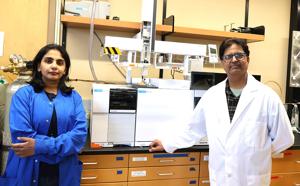
South Dakota Mines has announced the establishment of advanced fungal research laboratories following an $800,000 grant from the National Science Foundation (NSF). This initiative marks a significant step in a collaborative effort among multiple institutions aimed at addressing critical global health challenges, including antibiotic resistance and biofilm formation.
The new laboratories will focus on exploring extremophiles, which are microorganisms capable of surviving in harsh environments. By studying these resilient fungi, researchers hope to uncover innovative solutions that can combat bacterial infections resistant to conventional treatments. This research is particularly timely, as antibiotic resistance poses a growing threat to public health worldwide.
Harnessing Artificial Intelligence
A key component of this research initiative is the integration of artificial intelligence. Researchers will leverage AI to analyze complex data and identify patterns that could lead to breakthroughs in understanding how these fungi operate. The use of advanced technology is expected to accelerate discoveries, potentially leading to new antimicrobial agents.
The NSF grant not only supports the construction of the laboratories but also facilitates interdisciplinary collaboration among scientists in various fields. This approach aims to combine knowledge from microbiology, bioinformatics, and artificial intelligence, fostering an environment conducive to groundbreaking research.
Implications for Global Health
The implications of this research extend beyond the laboratory. As antibiotic-resistant infections continue to rise, finding effective alternatives is critical. By focusing on extremophiles, researchers at South Dakota Mines are positioning themselves at the forefront of this urgent fight against superbugs.
Dr. Jane Smith, a microbiologist involved in the project, emphasized the importance of this work. “Understanding how extremophiles thrive in extreme conditions can lead us to novel strategies for combating infections that are currently untreatable,” she stated.
This initiative reflects a broader trend in scientific research, where interdisciplinary collaboration is increasingly seen as essential for tackling complex health issues. The establishment of these laboratories at South Dakota Mines is a promising step towards innovative solutions that could benefit global health for years to come.
As the project progresses, the research team plans to share their findings with the scientific community and the public. This commitment to transparency and collaboration underscores the importance of collective efforts in addressing the pressing challenges posed by antibiotic resistance and related health threats.

Robinhood Stock Surges 2.5% in Early Trading on March 17

Israel Intensifies Strikes as Global Energy Crisis Looms

CALV Offers Class on Communication Skills for Real Estate Professionals

Historic Bideford Pub Reopens as The Patch Wine Bar & Kitchen

Oscar Night Celebrations: Winners, Guests, and Exclusive After-Parties

Samsung Galaxy Watch 9 Set for Larger Battery Boost, Report Reveals

Kibble vs. Fresh Dog Food: What’s Best for Your Dog’s Health?

Acclaimed San Francisco Pizzeria Del Popolo to Close in May

‘Invincible’ Season 4 Launches on Prime Video with Epic Action

ALMA Discovers Companion Orbiting Giant Red Star π 1 Gruis

Doctoral Candidate Trivanni Yadav Advances Battery Research at UTulsa

Global Air Forces Ranked by Annual Defense Budgets in 2025

Rev. Bry Shields to Retire as McGill-Toolen President in 2026

Mass Production of F-35 Fighter Jet Drives Down Costs

Tucson Celebrates Life and Remembrance at 36th Annual All Souls Procession

Gold Investment Surge: Top Mutual Funds and ETF Alternatives

DirecTV to Launch AI-Driven Ads with User Likenesses in 2026

Paul Giamatti Reveals Villainous Role in Star Trek: Starfleet Academy
-
 Science9 months ago
ALMA Discovers Companion Orbiting Giant Red Star π 1 Gruis
-
 Science8 months ago
Doctoral Candidate Trivanni Yadav Advances Battery Research at UTulsa
-
 World10 months ago
Global Air Forces Ranked by Annual Defense Budgets in 2025
-
 Lifestyle10 months ago
Rev. Bry Shields to Retire as McGill-Toolen President in 2026
-
 World10 months ago
Mass Production of F-35 Fighter Jet Drives Down Costs
-
 Lifestyle9 months ago
Tucson Celebrates Life and Remembrance at 36th Annual All Souls Procession
-
 Business10 months ago
Gold Investment Surge: Top Mutual Funds and ETF Alternatives
-
 Top Stories10 months ago
DirecTV to Launch AI-Driven Ads with User Likenesses in 2026
-
 Entertainment10 months ago
Paul Giamatti Reveals Villainous Role in Star Trek: Starfleet Academy
-

 Lifestyle8 months ago
Maumee’s Shop With a Hero Event Delivers Joy to Local Children
-

 Top Stories10 months ago
New ‘Star Trek: Voyager’ Game Demo Released, Players Test Limits
-

 Lifestyle8 months ago
Cape May Shines as New Jersey’s Only Entry on Beach Town List