
Science
Stanford Scientists Reverse Type 1 Diabetes in Mice, Paving Way for Human Trials

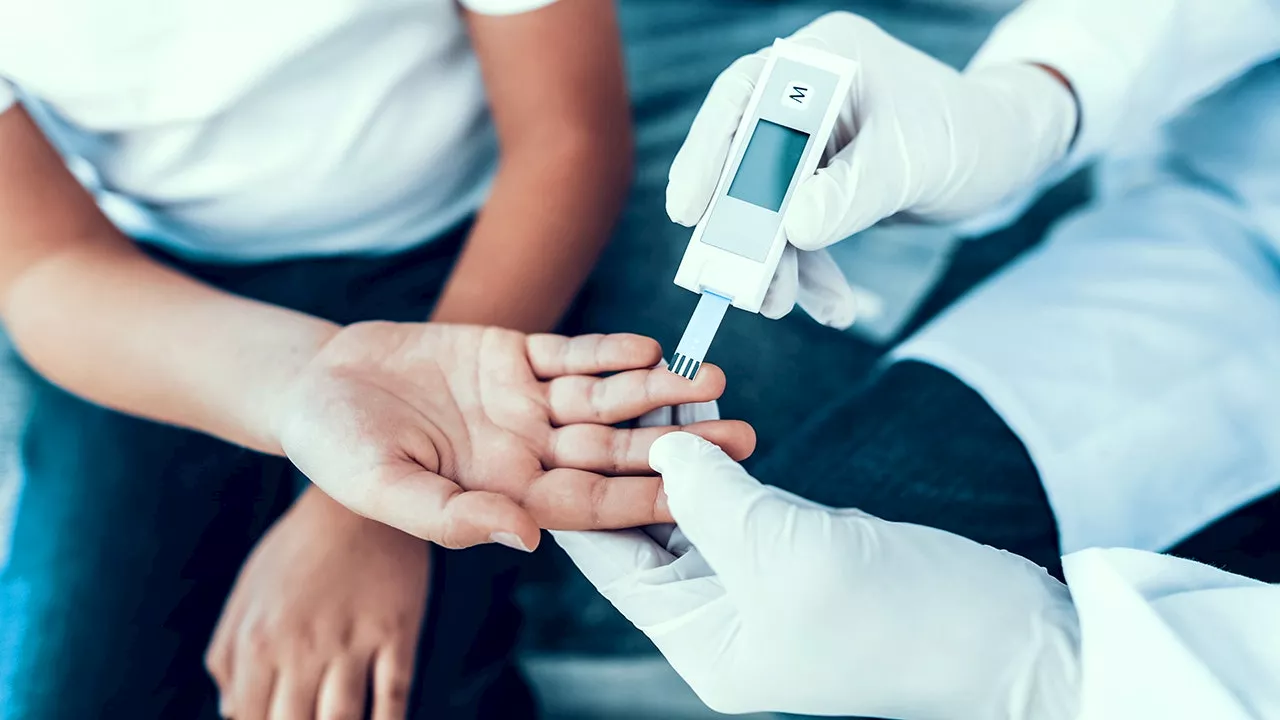
Researchers at the Stanford School of Medicine have made a significant breakthrough in the fight against type 1 diabetes by successfully reversing the disease in mice. This innovative study, published in the Journal of Clinical Investigation, involved resetting the immune system and generating new insulin-producing cells, showcasing a promising avenue for potential human applications.
The method employed a multi-faceted approach that included both a conditioning treatment and stem cell transplantation. Initially, a group of 19 pre-diabetic mice received a non-toxic conditioning regimen. This treatment comprised low doses of radiation combined with specialized antibodies aimed at diminishing the activity of specific immune cells known as T-cells. The primary goal was to make the mice’s immune systems less reactive, thereby creating a conducive environment for subsequent therapies.
After the conditioning phase, the mice underwent stem cell transplantation utilizing bone marrow cells from other mice. In addition, donor islet cells, responsible for insulin production, were introduced. The researchers aimed to establish a state known as “mixed chimerism,” where recipient mice possess a combination of their own cells and those from the donor. This strategic intervention led to the complete prevention of diabetes in all 19 pre-diabetic mice involved in the study.
Building upon this initial success, the research team also applied their therapeutic approach to nine mice that had already been diagnosed with long-standing type 1 diabetes. Remarkably, all nine mice were completely cured of their diabetes following the combined stem cell and islet transplantation protocol. Notably, the treatment was achieved with minimal side effects or significant immune depletion, which are critical considerations for evaluating both efficacy and safety.
While the research remains confined to animal models and involves the use of radiation, the scientists expressed optimism about the potential for translating these findings into human treatments. Dr. Seung K. Kim, a co-author of the study and professor at Stanford University, highlighted the transformative potential of this approach for individuals with type 1 diabetes and other autoimmune conditions.
The implications of the research extend beyond diabetes. The techniques developed could potentially serve as viable treatment options for various autoimmune diseases such as rheumatoid arthritis and lupus, as well as for non-cancerous blood disorders like sickle cell anemia. The team emphasized that aspects of their methodology, particularly the creation of a hybrid immune system that integrates both donor and recipient cells, are already being utilized in clinical settings for other medical conditions.
Dr. Marc Siegel, a senior medical analyst at Fox News, characterized the findings as “preliminary” yet filled with promise for future advancements in human medicine. He emphasized the need for modifications based on genetic analysis and artificial intelligence to personalize treatments according to individual autoimmune profiles. This personalized approach is essential, as autoimmune conditions like type 1 diabetes vary greatly among patients, underscoring the necessity for tailored interventions rather than blanket solutions.
The successful reversal of type 1 diabetes in mice marks a critical step forward in diabetes research and raises hopes for potential cures in humans. The combination of innovative treatment strategies and the establishment of a hybrid immune system could revolutionize the management of not only diabetes but also a wide range of autoimmune diseases, heralding a new era in stem cell therapy and medical treatment.

Robinhood Stock Surges 2.5% in Early Trading on March 17

Israel Intensifies Strikes as Global Energy Crisis Looms

CALV Offers Class on Communication Skills for Real Estate Professionals

Historic Bideford Pub Reopens as The Patch Wine Bar & Kitchen

Oscar Night Celebrations: Winners, Guests, and Exclusive After-Parties

Samsung Galaxy Watch 9 Set for Larger Battery Boost, Report Reveals

Kibble vs. Fresh Dog Food: What’s Best for Your Dog’s Health?

Acclaimed San Francisco Pizzeria Del Popolo to Close in May

‘Invincible’ Season 4 Launches on Prime Video with Epic Action

ALMA Discovers Companion Orbiting Giant Red Star π 1 Gruis

Doctoral Candidate Trivanni Yadav Advances Battery Research at UTulsa

Global Air Forces Ranked by Annual Defense Budgets in 2025

Rev. Bry Shields to Retire as McGill-Toolen President in 2026

Mass Production of F-35 Fighter Jet Drives Down Costs

Tucson Celebrates Life and Remembrance at 36th Annual All Souls Procession

Gold Investment Surge: Top Mutual Funds and ETF Alternatives

DirecTV to Launch AI-Driven Ads with User Likenesses in 2026

Paul Giamatti Reveals Villainous Role in Star Trek: Starfleet Academy
-
 Science9 months ago
ALMA Discovers Companion Orbiting Giant Red Star π 1 Gruis
-
 Science9 months ago
Doctoral Candidate Trivanni Yadav Advances Battery Research at UTulsa
-
 World10 months ago
Global Air Forces Ranked by Annual Defense Budgets in 2025
-
 Lifestyle10 months ago
Rev. Bry Shields to Retire as McGill-Toolen President in 2026
-
 World10 months ago
Mass Production of F-35 Fighter Jet Drives Down Costs
-
 Lifestyle9 months ago
Tucson Celebrates Life and Remembrance at 36th Annual All Souls Procession
-
 Business10 months ago
Gold Investment Surge: Top Mutual Funds and ETF Alternatives
-
 Top Stories10 months ago
DirecTV to Launch AI-Driven Ads with User Likenesses in 2026
-
 Entertainment10 months ago
Paul Giamatti Reveals Villainous Role in Star Trek: Starfleet Academy
-

 Lifestyle8 months ago
Maumee’s Shop With a Hero Event Delivers Joy to Local Children
-

 Top Stories10 months ago
New ‘Star Trek: Voyager’ Game Demo Released, Players Test Limits
-

 Lifestyle8 months ago
Cape May Shines as New Jersey’s Only Entry on Beach Town List