
Science
University Founded to Combat Cancel Culture Faces Internal Crisis

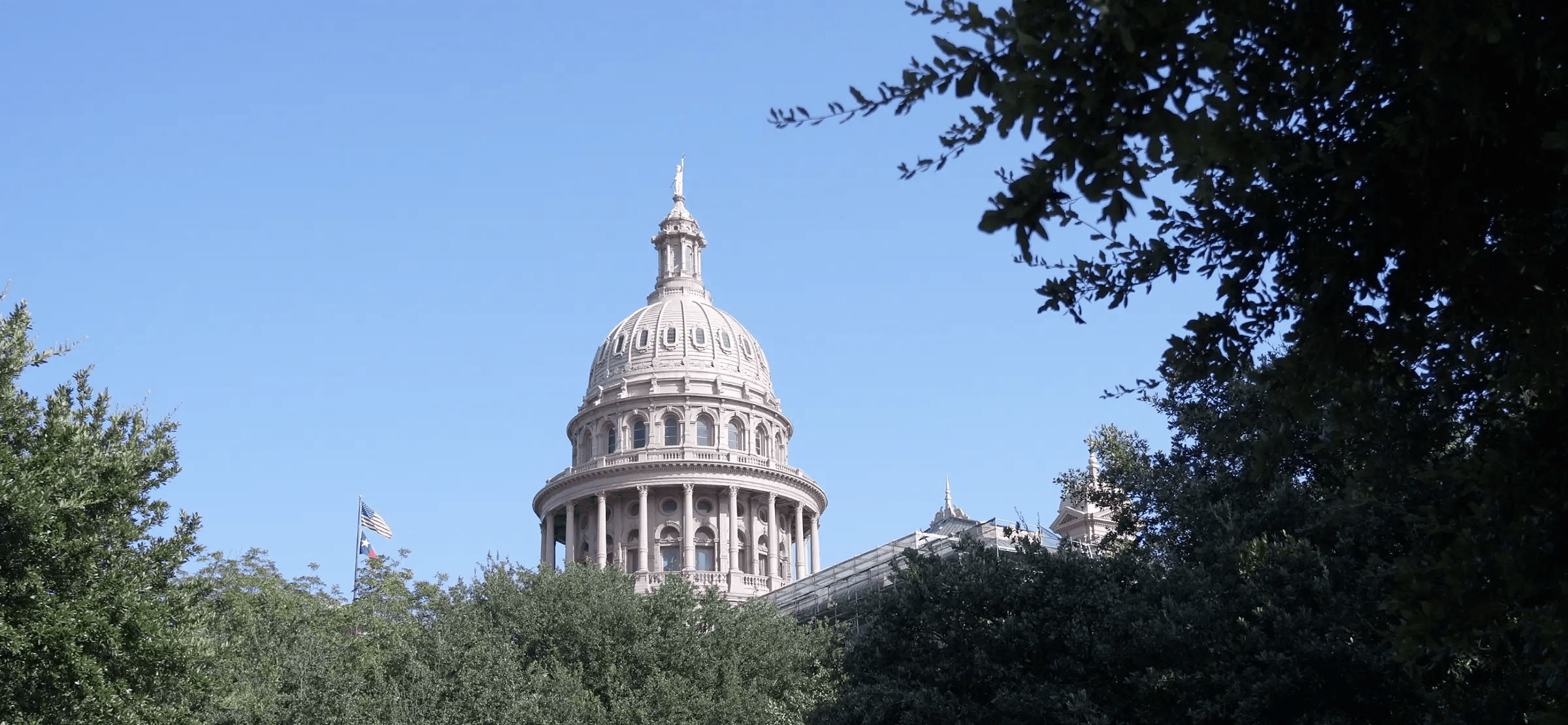
In a surprising turn of events, the University of Austin, known as UATX, has faced significant internal turmoil less than five years after its founding. Established in 2021 by a group of individuals who identified as defenders of free speech, UATX aimed to provide a haven for controversial ideas and protect students from what they termed the “woke mob.” However, a recent report from Politico details how the university has devolved into the very environment it sought to oppose.
The founders of UATX criticized mainstream higher education for allegedly suppressing free expression. They envisioned a campus environment free from political pressures, operating out of a former retail store in downtown Austin, Texas. Funding for the initiative came primarily from wealthy donors, including Joseph Lonsdale, co-founder of Palantir Technologies, who positioned himself as a key figure in the university’s development.
Leadership and Ideological Conflicts Emerge
The situation at UATX took a dramatic turn in April 2025, when Lonsdale convened an all-staff meeting that would alter the course of the institution. During this meeting, he presented a set of “four principles” that faculty and staff were required to endorse: anti-communism, anti-socialism, anti-identity politics, and anti-Islamism. Lonsdale’s mandate implied that dissent from these views would lead to professional repercussions, essentially instituting a form of political litmus test contrary to the university’s original ethos of open debate.
This shift prompted a mass exodus among faculty and advisors, who began resigning in protest. Disillusionment permeated the student body, with many expressing concerns about the university’s commitment to free speech. One student remarked to Politico, “I’ve never felt my speech was so chilled as it was in the classroom at UATX.”
The university’s founding president, Pano Kanelos, initially embraced the vision of a free-thinking academic environment. However, he later transitioned to a largely ceremonial role as “Chancellor” before stepping down entirely just months after Lonsdale’s meeting.
Contradictions and Consequences
Despite a constitutional charter that was intended to foster a democratic resolution process for differing opinions, the reality at UATX has been starkly different. Reports indicate that the institution began to mirror the cancel culture it aimed to fight against. Faculty members described the experience as “building the plane while we’re flying it,” pointing to a lack of clear direction and stability.
The irony is palpable: a university founded to resist the perceived threats of cancel culture has become a place where dissent is discouraged, and academic careers can be jeopardized by adherence to a specific ideological framework. The very individuals who sought to champion free speech now find themselves in a position that enforces strict orthodoxy.
As the University of Austin grapples with these challenges, it raises profound questions about the nature of free expression in educational institutions and the ongoing debate surrounding the influence of political ideologies in academia. The path ahead for UATX remains uncertain, as it navigates the fallout from its internal crises and attempts to redefine its mission in the landscape of American higher education.

Robinhood Stock Surges 2.5% in Early Trading on March 17

Israel Intensifies Strikes as Global Energy Crisis Looms

CALV Offers Class on Communication Skills for Real Estate Professionals

Historic Bideford Pub Reopens as The Patch Wine Bar & Kitchen

Oscar Night Celebrations: Winners, Guests, and Exclusive After-Parties

Samsung Galaxy Watch 9 Set for Larger Battery Boost, Report Reveals

Kibble vs. Fresh Dog Food: What’s Best for Your Dog’s Health?

Acclaimed San Francisco Pizzeria Del Popolo to Close in May

‘Invincible’ Season 4 Launches on Prime Video with Epic Action

ALMA Discovers Companion Orbiting Giant Red Star π 1 Gruis

Doctoral Candidate Trivanni Yadav Advances Battery Research at UTulsa

Global Air Forces Ranked by Annual Defense Budgets in 2025

Rev. Bry Shields to Retire as McGill-Toolen President in 2026

Mass Production of F-35 Fighter Jet Drives Down Costs

Tucson Celebrates Life and Remembrance at 36th Annual All Souls Procession

Gold Investment Surge: Top Mutual Funds and ETF Alternatives

DirecTV to Launch AI-Driven Ads with User Likenesses in 2026

Paul Giamatti Reveals Villainous Role in Star Trek: Starfleet Academy
-
 Science9 months ago
ALMA Discovers Companion Orbiting Giant Red Star π 1 Gruis
-
 Science9 months ago
Doctoral Candidate Trivanni Yadav Advances Battery Research at UTulsa
-
 World10 months ago
Global Air Forces Ranked by Annual Defense Budgets in 2025
-
 Lifestyle10 months ago
Rev. Bry Shields to Retire as McGill-Toolen President in 2026
-
 World10 months ago
Mass Production of F-35 Fighter Jet Drives Down Costs
-
 Lifestyle9 months ago
Tucson Celebrates Life and Remembrance at 36th Annual All Souls Procession
-
 Business10 months ago
Gold Investment Surge: Top Mutual Funds and ETF Alternatives
-
 Top Stories10 months ago
DirecTV to Launch AI-Driven Ads with User Likenesses in 2026
-
 Entertainment10 months ago
Paul Giamatti Reveals Villainous Role in Star Trek: Starfleet Academy
-

 Lifestyle8 months ago
Maumee’s Shop With a Hero Event Delivers Joy to Local Children
-

 Top Stories10 months ago
New ‘Star Trek: Voyager’ Game Demo Released, Players Test Limits
-

 Lifestyle8 months ago
Cape May Shines as New Jersey’s Only Entry on Beach Town List