
Science
Winter Storm Hits Millions with Snow, Ice, and Frigid Cold

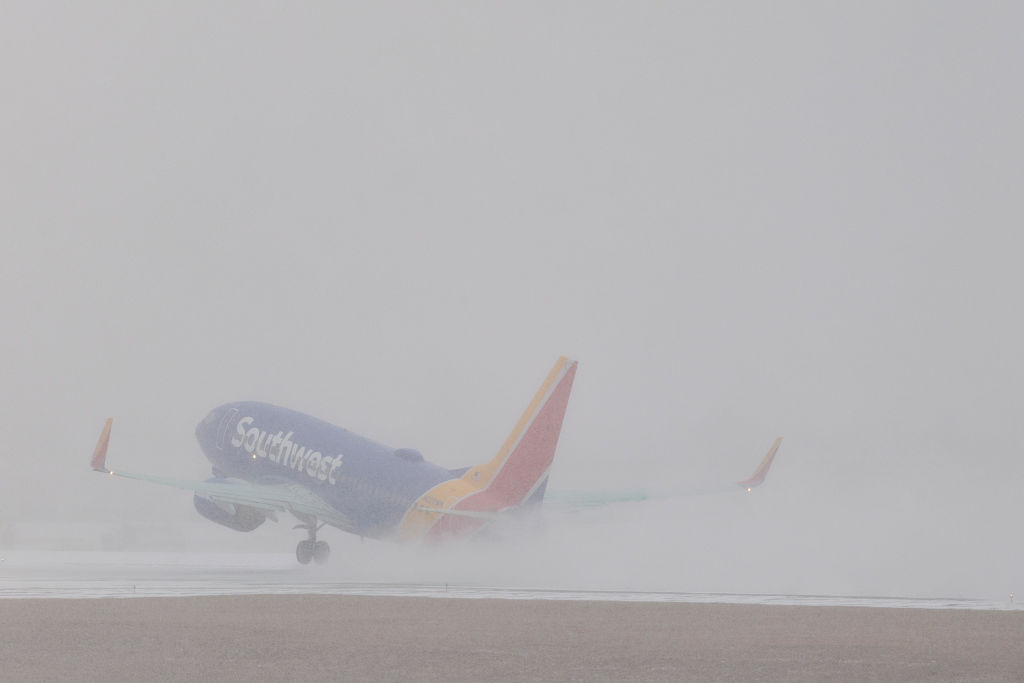
A significant winter storm is currently impacting millions across the United States, bringing hazardous conditions, travel disruptions, and dangerously low temperatures. The storm spans from Texas and Oklahoma to the Midwest and Northeast, prompting widespread concerns over slick roads, canceled flights, and stressed energy grids.
In New York City, residents awoke to temperatures in the single digits, while wind chills made conditions feel even more severe. Minneapolis is experiencing extreme cold, with temperatures well below freezing, yet protests and federal operations continue despite the harsh weather. Major airports, including those in Dallas, Chicago, and New York, have already canceled or delayed hundreds of flights, leaving many travelers stranded.
As of this moment, at least 22 states and Washington, D.C., have declared a state of emergency in anticipation of the storm’s impact. This includes states such as Alabama, Georgia, New Jersey, and Virginia. Meteorologists indicate that the blend of ice, heavy snow, and arctic air is unusually extensive, creating simultaneous disruptions across multiple regions—a rare occurrence for winter storms.
Widespread Disruption and Preparedness
The National Weather Service has noted that parts of the storm are expected to deliver heavy snow, coupled with strong winds and significantly colder temperatures. According to Bob Oravec, a lead forecaster, the storm’s broad reach means residents might face days stuck at home. He advises individuals to stock up on supplies and prepare for overlapping hazards.
For many Americans, the storm’s implications are immediate and severe. Power outages in rural areas have left homes without heat for extended periods. Snow-covered roads hinder emergency responders, schools, businesses, and public offices are closing, and those with rigid schedules are forced into treacherous commutes or canceled flights.
Scientific consensus indicates that rising global temperatures do not eliminate winter storms; rather, they can intensify them. Warmer air holds more moisture, leading to heavier snowfall. This, combined with aging infrastructure, transforms predictable winter weather into crises. Despite the skepticism from some climate change deniers, the situation highlights vulnerabilities that remain within transportation and energy systems.
Long-Term Implications of Extreme Weather
As response crews work tirelessly to clear roads, restore power, and reopen airports, the storm serves as a stark reminder of the importance of preparation in mitigating the human impact of extreme weather events. The disruptions caused by this winter storm underline the need for a reassessment of infrastructure resilience in the face of changing climate patterns.
As the storm continues its path, residents across the affected regions must stay informed and take necessary precautions to ensure their safety during this severe weather event.

Robinhood Stock Surges 2.5% in Early Trading on March 17

Israel Intensifies Strikes as Global Energy Crisis Looms

CALV Offers Class on Communication Skills for Real Estate Professionals

Historic Bideford Pub Reopens as The Patch Wine Bar & Kitchen

Oscar Night Celebrations: Winners, Guests, and Exclusive After-Parties

Samsung Galaxy Watch 9 Set for Larger Battery Boost, Report Reveals

Kibble vs. Fresh Dog Food: What’s Best for Your Dog’s Health?

Acclaimed San Francisco Pizzeria Del Popolo to Close in May

‘Invincible’ Season 4 Launches on Prime Video with Epic Action

ALMA Discovers Companion Orbiting Giant Red Star π 1 Gruis

Doctoral Candidate Trivanni Yadav Advances Battery Research at UTulsa

Global Air Forces Ranked by Annual Defense Budgets in 2025

Rev. Bry Shields to Retire as McGill-Toolen President in 2026

Mass Production of F-35 Fighter Jet Drives Down Costs

Tucson Celebrates Life and Remembrance at 36th Annual All Souls Procession

Gold Investment Surge: Top Mutual Funds and ETF Alternatives

DirecTV to Launch AI-Driven Ads with User Likenesses in 2026

Paul Giamatti Reveals Villainous Role in Star Trek: Starfleet Academy
-
 Science9 months ago
ALMA Discovers Companion Orbiting Giant Red Star π 1 Gruis
-
 Science8 months ago
Doctoral Candidate Trivanni Yadav Advances Battery Research at UTulsa
-
 World10 months ago
Global Air Forces Ranked by Annual Defense Budgets in 2025
-
 Lifestyle10 months ago
Rev. Bry Shields to Retire as McGill-Toolen President in 2026
-
 World10 months ago
Mass Production of F-35 Fighter Jet Drives Down Costs
-
 Lifestyle9 months ago
Tucson Celebrates Life and Remembrance at 36th Annual All Souls Procession
-
 Business10 months ago
Gold Investment Surge: Top Mutual Funds and ETF Alternatives
-
 Top Stories10 months ago
DirecTV to Launch AI-Driven Ads with User Likenesses in 2026
-
 Entertainment10 months ago
Paul Giamatti Reveals Villainous Role in Star Trek: Starfleet Academy
-

 Lifestyle8 months ago
Maumee’s Shop With a Hero Event Delivers Joy to Local Children
-

 Top Stories10 months ago
New ‘Star Trek: Voyager’ Game Demo Released, Players Test Limits
-

 Lifestyle7 months ago
Cape May Shines as New Jersey’s Only Entry on Beach Town List