
Sports
Russia’s Olympic Ban Sparks Controversy as Winter Games Begin

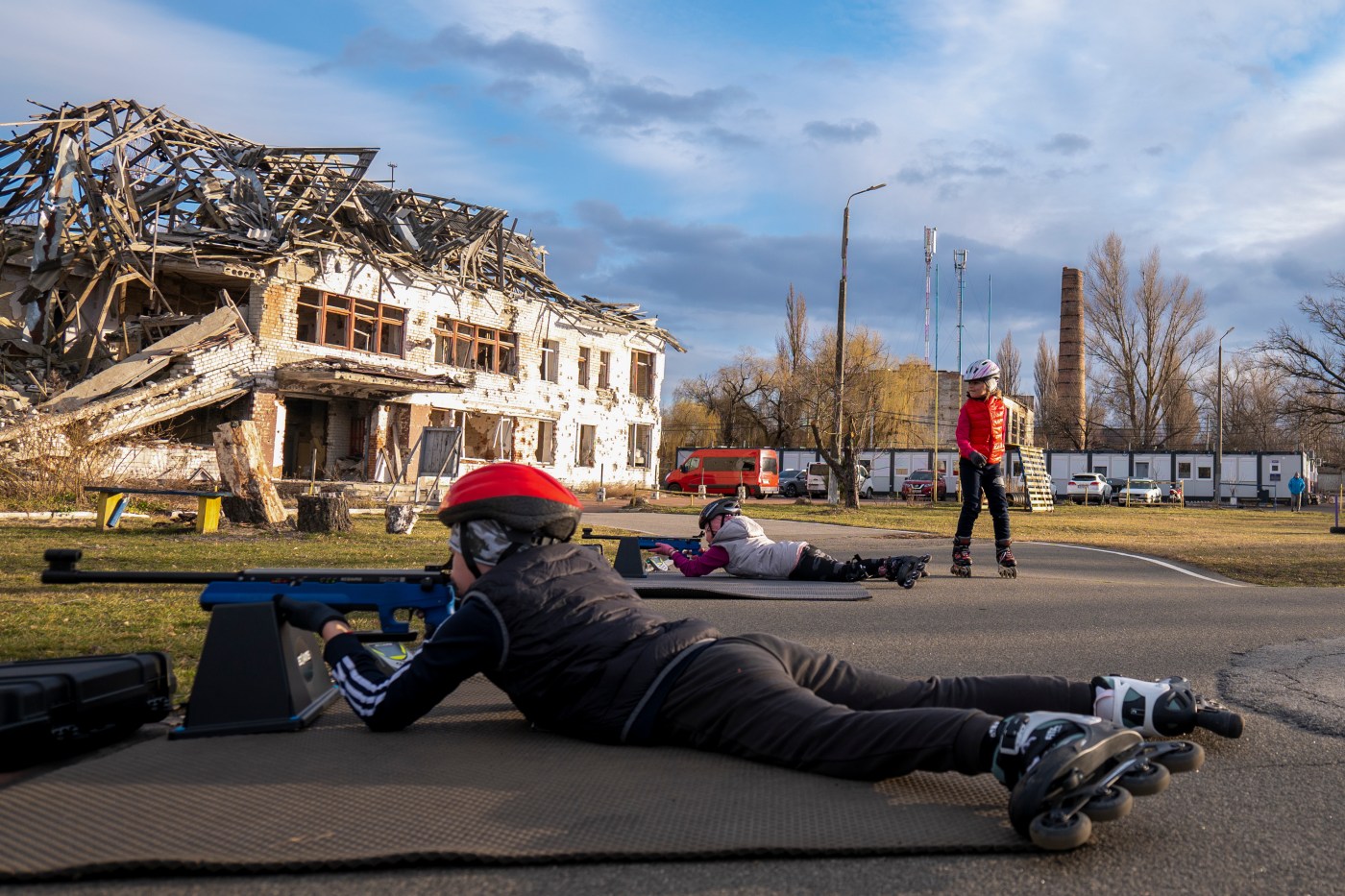
Tensions surrounding Russia’s participation in the 2026 Winter Olympics in Cortina d’Ampezzo have escalated as athletes from the country remain barred from competing due to international sanctions. This marks the fifth consecutive Olympic Games in which Russian athletes are prohibited from representing their nation, a decision made by the International Olympic Committee (IOC) in response to the country’s invasion of Ukraine in February 2022.
The IOC’s ban on Russian and Belarusian athletes stems from the ongoing conflict and violations of the Olympic Charter, which include the takeover of sports councils in four eastern Ukrainian regions. Despite this, a limited number of athletes, specifically 20 from Russia and Belarus, are permitted to participate as individual neutral athletes (AINS) after undergoing a rigorous vetting process.
Kirsty Coventry, the IOC President presiding over her first Games, emphasized that the organization would maintain the same protocols implemented during the 2024 Paris Olympics. “Nothing has changed,” Coventry stated, as she prepares to oversee the Games that begin this week.
The IOC announced the ban in October 2023, almost 20 months after the invasion, a decision that has drawn mixed reactions. Russian President Vladimir Putin and many citizens contend that the IOC’s actions are discriminatory, claiming they unfairly single out Russia amid a backdrop of hypocrisy in international sports. Conversely, Ukrainian athletes and their advocates argue that the measures taken are insufficient, calling for a total ban on Russian participation across all sports platforms.
Ukrainian Prime Minister Volodymyr Zelenskyy urged Coventry to take a firm stance against Russia, stressing that any access Russian athletes gain to international competition is used for propaganda purposes. Since the onset of the war, over 600 Ukrainian athletes and coaches have lost their lives due to Russian aggression, and numerous sports facilities have been destroyed.
The divide on this issue is stark. While some international federations, like World Athletics, have imposed absolute bans on Russian athletes, others have allowed for the possibility of participation under neutral flags, a point of contention among sports leaders. For instance, the International Bobsleigh and Skeleton Federation briefly allowed Russian athletes to compete before reversing the decision due to an appeal from Russia.
Strong voices have emerged from both sides of the debate. Critics, including former Olympic gold medalist Dominik Hašek, have condemned the IOC and other sports organizations for their perceived leniency towards Russian athletes. Hašek has expressed outrage at the NHL’s promotion of Russian stars during the ongoing conflict and has called attention to the moral implications of allowing Russian athletes to compete internationally.
Meanwhile, Russian officials and supporters portray the IOC ban as a manifestation of “Russophobia.” Academic experts, such as Robert English from the University of Southern California, suggest that a significant portion of the Russian populace supports the government’s stance, viewing the ban as politically motivated rather than a matter of sportsmanship.
Despite the backlash, the IOC aims to keep communication open with Russian authorities, as maintaining a pathway for potential future participation remains a priority. James Macleod, the IOC’s director of national Olympic committee relations, stated that it is essential to maintain dialogue even during challenging times.
The historical context of Russia’s Olympic involvement adds another layer of complexity to the current situation. The Soviet Union, once a dominant force in winter sports, established its preeminence through substantial government investment in athletic programs. This success continued even after the Soviet Union’s dissolution, with Russia topping medal tables in subsequent Games.
As the Winter Olympics unfold in Cortina d’Ampezzo, the ramifications of the IOC’s decisions and the geopolitical landscape surrounding Russia’s participation will undoubtedly be scrutinized closely. The situation reflects broader tensions between sports, national identity, and international politics, raising questions about the future of athletic competition in a world increasingly defined by conflict.
With the anniversary of Russia’s invasion approaching, the implications of these sanctions extend far beyond the realm of sports, intertwining with the fate of Ukrainian civilians and the global response to aggression. As the Games begin, the contrasting perspectives of athletes, officials, and nations will define not only the outcomes on the field but also the narratives that shape international relations in the years to come.

Susquehanna Raises ConocoPhillips Price Target to $121 Amid Analyst Activity

US Firms Urged to Collaborate with China for Tech Competitiveness

Citigroup Reaffirms Sell Rating on Werner Enterprises Shares

Trump Official Exposed for Lies About Epstein Ties Amid Scandal

Cartoon Reflects Societal Struggles in Modern Rat Race

Discover 2026’s Best Vegetable Varieties for Thriving Gardens

MTA Reveals Snow Clearing Strategies as NYC Faces Winter Storm

Tensions Rise in Anti-ICE Movement Over Whistle Tactics

Esteemed Astronomer Donald York, Co-Founder of Sloan Survey, Dies at 81

ALMA Discovers Companion Orbiting Giant Red Star π 1 Gruis

Doctoral Candidate Trivanni Yadav Advances Battery Research at UTulsa

Global Air Forces Ranked by Annual Defense Budgets in 2025

New ‘Star Trek: Voyager’ Game Demo Released, Players Test Limits

Mass Production of F-35 Fighter Jet Drives Down Costs

NASCAR Faces Fan Backlash as Steve Phelps’ Texts Surface

Gold Investment Surge: Top Mutual Funds and ETF Alternatives

DirecTV to Launch AI-Driven Ads with User Likenesses in 2026

SEVENTEEN’s Mingyu Faces Backlash Over Alcohol Incident at Concert
-
 Science3 months ago
ALMA Discovers Companion Orbiting Giant Red Star π 1 Gruis
-
 Science3 months ago
Doctoral Candidate Trivanni Yadav Advances Battery Research at UTulsa
-
 World4 months ago
Global Air Forces Ranked by Annual Defense Budgets in 2025
-
 Top Stories4 months ago
New ‘Star Trek: Voyager’ Game Demo Released, Players Test Limits
-
 World4 months ago
Mass Production of F-35 Fighter Jet Drives Down Costs
-
 Sports3 months ago
NASCAR Faces Fan Backlash as Steve Phelps’ Texts Surface
-
 Business4 months ago
Gold Investment Surge: Top Mutual Funds and ETF Alternatives
-
 Top Stories4 months ago
DirecTV to Launch AI-Driven Ads with User Likenesses in 2026
-
 Politics4 months ago
SEVENTEEN’s Mingyu Faces Backlash Over Alcohol Incident at Concert
-

 Science4 months ago
Time Crystals Revolutionize Quantum Computing Potential
-

 Entertainment4 months ago
Freeport Art Gallery Transforms Waste into Creative Masterpieces
-

 Science4 months ago
Remembering David E. Brest: A Life Dedicated to Nature and Family