
Top Stories
A Decade Later: Reflecting on the Fallout from Gods of Egypt

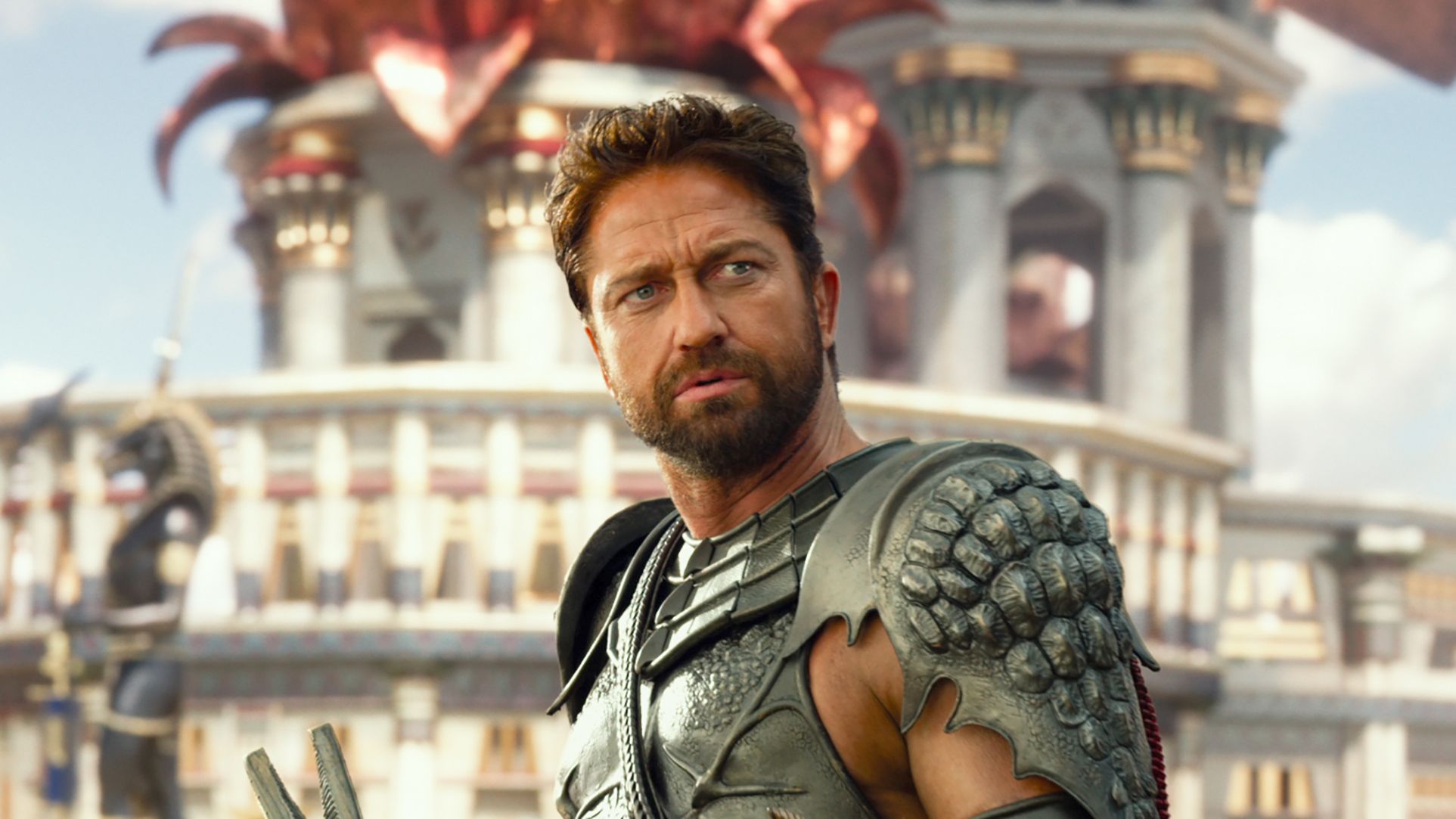
The release of the film Gods of Egypt in 2016 sparked significant controversy, particularly around the issue of whitewashing in Hollywood. As the film marks its tenth anniversary, the backlash it received serves as a notable example of changing attitudes towards representation in cinema.
Set in ancient Egypt, Gods of Egypt was intended as a grand action-fantasy spectacle, reminiscent of films like 300 and Clash of the Titans. The story follows Horus (played by Nikolaj Coster-Waldau) as he battles his uncle Set (Gerard Butler) for control of Egypt after Set kills Horus’ father, Osiris (Bryan Brown). The film’s narrative revolves around a thief named Bek (Brenton Thwaites) who partners with Horus to reclaim his lost power and save his girlfriend, Zaya (Courtney Eaton).
While the film boasted a budget of $140 million, it quickly became infamous for its casting choices. Critics highlighted that nearly the entire main cast was white, with the exception of Chadwick Boseman, who portrayed Thoth, the god of wisdom. This lack of representation ignited a firestorm of criticism, particularly from audiences and cultural commentators who viewed the casting as a blatant disregard for the film’s setting in Africa.
Criticism and Apologies
The film faced intense scrutiny even before its release. In late 2015, the criticism over its predominantly white cast prompted Alex Proyas and Lionsgate to issue a joint apology, which many viewed as insufficient. According to an Associated Press report, reactions were mixed, with some praising the move while others perceived it as an attempt to preemptively silence dissent. Todd Boyd, a professor at the University of Southern California, remarked that the apology was an effort to maintain their casting decisions while trying to avoid backlash.
This controversy did not subside with the film’s release. Critics widely panned the movie, labeling it as a “big, shiny disaster.” Lauren Humphries-Brooks of We Got This Covered described it as “a big, shiny disaster of a film,” while Peter Suderman of Vox stated that it was “bad in practically every way it could be bad.” The reaction on social media was equally harsh, with some users likening the experience of watching the film to “drinking a cup of warm leprosy,” as expressed by comics writer Gail Simone.
A Cultural Turning Point
Beyond its poor reception, Gods of Egypt has come to symbolize a growing awareness and intolerance of cultural insensitivity in film. Scholars and activists have since pointed to it as a critical moment in the ongoing dialogue about race and representation in Hollywood. Beth Ann Judas from the Biblical Archaeological Society criticized Proyas for ignoring Egypt’s African identity in his casting choices, while Egyptologist Anthony Browder condemned the film for perpetuating harmful stereotypes.
Even Chadwick Boseman acknowledged the controversy surrounding the film. In an interview with GQ, he expressed gratitude for the dialogue it sparked, stating, “I thought this [critique] might come up… and I’m thankful that it did.” Boseman recognized the importance of representation and the challenges faced by actors of color in securing leading roles in major productions.
Following the film’s disappointing box office performance, Proyas took to social media to vent his frustration at critics. He lamented the negative reviews, suggesting that many were biased and politically motivated. Despite his hopes for the film’s legacy to improve over time, Gods of Egypt remains largely remembered for its failures in both storytelling and representation.
As a decade passes since its release, the film stands as a cautionary tale in the film industry regarding the repercussions of failing to embrace diversity. While Alex Proyas has not directed another film since, he is currently working on a science-fiction musical, a genre that may provide a fresh perspective.
In an era where audiences are increasingly vocal about representation, the legacy of Gods of Egypt serves as a reminder of the need for inclusive storytelling in cinema. As the industry evolves, it is clear that the call for diverse representation will continue to shape the future of film.

Robinhood Stock Surges 2.5% in Early Trading on March 17

Israel Intensifies Strikes as Global Energy Crisis Looms

CALV Offers Class on Communication Skills for Real Estate Professionals

Historic Bideford Pub Reopens as The Patch Wine Bar & Kitchen

Oscar Night Celebrations: Winners, Guests, and Exclusive After-Parties

Samsung Galaxy Watch 9 Set for Larger Battery Boost, Report Reveals

Kibble vs. Fresh Dog Food: What’s Best for Your Dog’s Health?

Acclaimed San Francisco Pizzeria Del Popolo to Close in May

‘Invincible’ Season 4 Launches on Prime Video with Epic Action

ALMA Discovers Companion Orbiting Giant Red Star π 1 Gruis

Doctoral Candidate Trivanni Yadav Advances Battery Research at UTulsa

Global Air Forces Ranked by Annual Defense Budgets in 2025

Rev. Bry Shields to Retire as McGill-Toolen President in 2026

Mass Production of F-35 Fighter Jet Drives Down Costs

Gold Investment Surge: Top Mutual Funds and ETF Alternatives

DirecTV to Launch AI-Driven Ads with User Likenesses in 2026

New ‘Star Trek: Voyager’ Game Demo Released, Players Test Limits

Paul Giamatti Reveals Villainous Role in Star Trek: Starfleet Academy
-
 Science7 months ago
ALMA Discovers Companion Orbiting Giant Red Star π 1 Gruis
-
 Science7 months ago
Doctoral Candidate Trivanni Yadav Advances Battery Research at UTulsa
-
 World8 months ago
Global Air Forces Ranked by Annual Defense Budgets in 2025
-
 Lifestyle8 months ago
Rev. Bry Shields to Retire as McGill-Toolen President in 2026
-
 World8 months ago
Mass Production of F-35 Fighter Jet Drives Down Costs
-
 Business8 months ago
Gold Investment Surge: Top Mutual Funds and ETF Alternatives
-
 Top Stories8 months ago
DirecTV to Launch AI-Driven Ads with User Likenesses in 2026
-
 Top Stories8 months ago
New ‘Star Trek: Voyager’ Game Demo Released, Players Test Limits
-
 Entertainment8 months ago
Paul Giamatti Reveals Villainous Role in Star Trek: Starfleet Academy
-

 Entertainment8 months ago
Freeport Art Gallery Transforms Waste into Creative Masterpieces
-

 Entertainment8 months ago
Fast & Furious Coaster Hits the Track at Universal Studios
-

 Science8 months ago
NTSB Report Reveals Hull Damage Caused Titan Submersible Implosion